Chicken Water Requirements: The Numbers and the Reasoning

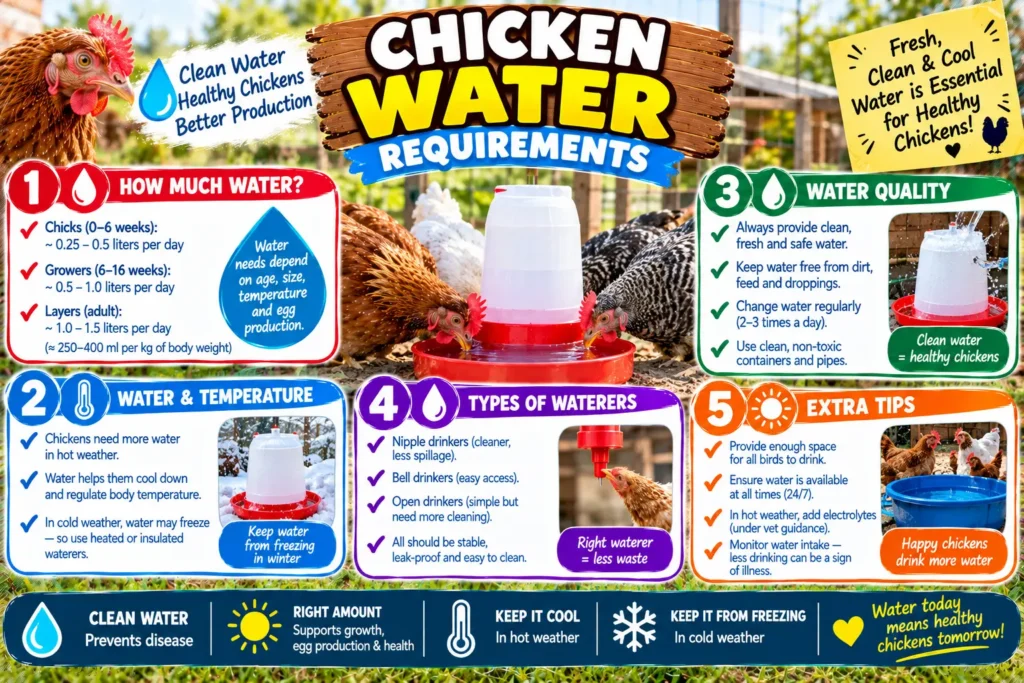
Chicken water requirements get far less attention than feed, yet water shortfalls affect a hen’s body faster and more seriously than most nutritional gaps. Since eggs are roughly 74% water and a chicken’s own body is similarly water-dependent, understanding how much do chickens need and why matters just as much as feed quality.
This guide covers actual daily consumption volumes by life stage and weather, the real differences between waterer types, water quality standards, and how to recognize dehydration before it becomes serious.
Quick Answer: Chicken water requirements average about 1 to 2 cups (8–16 fl oz) per standard-sized hen daily in moderate weather, roughly doubling or more during hot weather or heavy laying. Chicken hydration needs increase significantly during heat, active laying, and molting, making consistent, clean water access one of the most important daily care tasks.
Table of Contents
Daily Chicken Water Requirements by Life Stage
Baseline Consumption
| Life Stage | Approximate Daily Water Intake |
| Chick (0–8 weeks) | 1–2 fl oz (scales with size) |
| Growing pullet | 4–8 fl oz |
| Adult laying hen (moderate weather) | 8–16 fl oz (1–2 cups) |
| Adult laying hen (hot weather) | 16–32 fl oz (2–4 cups) |
Why Laying Hens Need More
Since a significant portion of each egg is water, actively laying hens have meaningfully higher water needs than non-laying birds of the same size, making consistent access especially important once a flock reaches laying age.
Did You Know? Chickens generally drink roughly twice as much water by weight as they eat in feed under normal conditions, a ratio that shifts even higher during hot weather when water needs increase disproportionately to feed intake.
How Weather Changes Chicken Hydration Needs
Heat Increases Demand Significantly
Hot weather can increase water consumption by 2 to 4 times normal levels, since chickens rely heavily on water intake to support panting and evaporative cooling.
Read More: https://lashegg.com/chicken-cold-stress/
Cold Weather Effects
Chickens still need consistent water access in cold weather, though consumption may drop slightly; the bigger winter challenge is usually keeping water from freezing rather than reduced demand.
| Weather Condition | Effect on Water Needs |
| Hot weather | Significantly increased, 2–4x normal |
| Moderate weather | Baseline consumption |
| Cold weather | Slightly reduced demand, freezing becomes primary challenge |
Comparing Waterer Types
Open Founts/Trough Waterers
Traditional and widely available, but prone to contamination from droppings, bedding, and debris, requiring more frequent cleaning to maintain water quality.
Nipple Waterers
Deliver water through a small valve mechanism, keeping the water source enclosed and significantly reducing contamination risk, though they require a brief learning period for chickens unfamiliar with the mechanism.
Cup Waterers
A middle-ground option, gravity-fed into small cups that refill as chickens drink, offering better cleanliness than open founts with an easier learning curve than nipples.
| Waterer Type | Contamination Risk | Ease of Chicken Adoption |
| Open fount/trough | Higher | Immediate, no learning needed |
| Nipple waterer | Very low | Requires brief learning period |
| Cup waterer | Low to moderate | Easy, minimal learning needed |
Choosing the Right Type for Your Flock
New keepers often start with open founts for simplicity, while many transition to nipple or cup systems as flocks grow, valuing the significant reduction in cleaning frequency and improved water quality.
Water Quality Standards
What “Clean” Actually Means
Water should be free of visible debris, droppings, algae, and excessive dirt. Cloudy or discolored water, even without obvious contamination, can harbor bacteria that affect flock health.
Preventing Algae Growth
Algae grows readily in warm, sunlit standing water, making waterer placement in shade and regular cleaning, especially in summer, important preventive steps.
Step-by-Step: Maintaining Water Quality
- Position waterers away from direct droppings exposure. Elevating slightly or placing away from favorite roosting spots reduces contamination.
- Clean thoroughly at least weekly. More frequently in hot weather when algae and bacterial growth accelerate.
- Check water at least twice daily. This catches both contamination and low levels before they become a problem.
- Avoid direct sunlight on waterers when possible. Shade reduces both algae growth and undesirable water temperature increases in summer.
Recognizing Dehydration in Chickens
Early Signs
- Reduced activity and lethargy
- Pale comb color
- Reduced egg production
- Panting even in moderate temperatures
More Severe Signs
- Sunken eyes
- Extreme lethargy or weakness
- Skin tenting (skin slow to return to normal position when gently pinched)
| Sign | Severity | Action |
| Reduced activity, pale comb | Early | Check and improve water access immediately |
| Panting without heat cause | Early to moderate | Investigate water availability |
| Sunken eyes, skin tenting | Severe | Immediate intervention, veterinary contact if not improving |
Warning
Dehydration can develop faster than many keepers expect, particularly during hot weather or if a waterer malfunctions unnoticed. Checking water access should be part of every single daily visit to the coop, not an occasional task.
Water and Medication or Supplements
Mixing Considerations
Electrolytes, vitamins, and certain medications are commonly delivered through drinking water, though this requires ensuring all birds are actually drinking adequately, since a dehydrated or reluctant drinker won’t receive an effective dose this way.
When to Use Plain Water Instead
If you’re uncertain whether all birds are drinking normally, providing a separate plain water source alongside any treated water ensures no bird goes without hydration while medication or supplement dosing is sorted out.
Common Mistakes to Avoid
- Underestimating how much chicken water requirements increase during hot weather
- Placing waterers in direct sunlight, promoting algae growth and warm, undesirable water
- Checking water only once daily, missing potential contamination or freezing issues
- Assuming reduced winter water intake means less frequent checking is fine
- Not having a backup water plan during power outages if relying on heated equipment
When to Call a Vet
Contact a poultry veterinarian if a bird shows signs of significant dehydration, such as sunken eyes, extreme lethargy, or skin tenting, especially if these signs don’t improve quickly once water access is confirmed and corrected. Severe dehydration can have effects beyond what simply restoring water access can immediately reverse.
People Also Ask
How much water do chickens need per day on average? Adult laying hens typically need about 8 to 16 fluid ounces (1–2 cups) daily in moderate weather, increasing significantly during hot weather or heavy laying periods.
Do chicks have different chicken water requirements than adults? Yes, chicks need much less in absolute terms, roughly 1 to 2 fluid ounces daily depending on size, though access should still be constant and reliable relative to their smaller bodies.
What’s the best waterer type for chicken hydration and cleanliness? Nipple waterers generally offer the best water quality by minimizing contamination, though they require a brief adjustment period for chickens unfamiliar with the mechanism.
Can chickens get sick from dirty water? Yes, contaminated water can harbor bacteria and parasites that cause illness, making regular cleaning and quality monitoring an important part of overall flock health management.
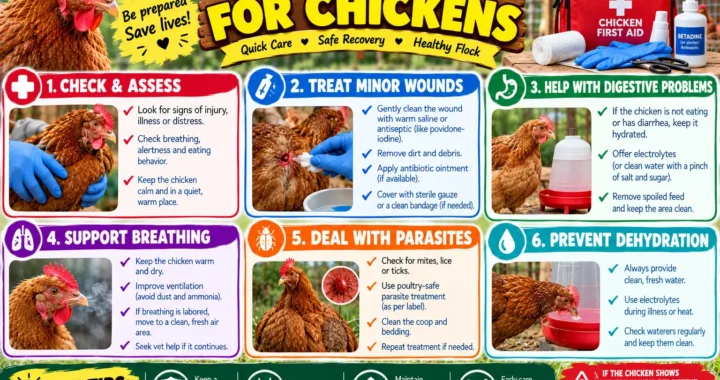
How quickly can a chicken become dehydrated without water access? Dehydration can develop within hours during hot weather or with a malfunctioning waterer, which is why checking water access should happen at least twice daily, especially during heat.
Final Thoughts
Chicken water requirements deserve the same careful attention as feed quality, with actual needs varying significantly by life stage, weather, and laying status. Choosing the right waterer type, maintaining water quality, and checking access consistently prevent the vast majority of hydration-related problems.
Watch for early dehydration signs like reduced activity or pale comb color, and reach out to a poultry veterinarian if a bird shows more severe signs that don’t improve quickly once water access is confirmed and corrected.
5. FAQ
Q: How much water do chickens need during a heat wave specifically? A: Expect consumption to increase 2 to 4 times above normal levels, making frequent water checks and additional access points especially important during extreme heat.
Q: Do nipple waterers really improve chicken hydration and health? A: Yes, by keeping water enclosed and reducing contamination from droppings and debris, nipple systems generally support better ongoing water quality than open founts.
Q: Can I use tap water for chicken water requirements, or does it need to be filtered? A: Standard tap water is generally fine for chickens; filtering isn’t typically necessary unless your local water quality has specific known issues.
Q: How do I know if my flock’s chicken hydration needs are being met? A: Consistent access without empty or frozen waterers, normal activity levels, and stable egg production are all good indirect indicators that hydration needs are being met.
Q: Should I add anything to chicken water to improve health? A: Plain, clean water is sufficient for most healthy flocks; electrolytes or vitamins are situationally useful during heat, illness recovery, or stress rather than as a constant daily addition.