Chicken Biosecurity: The Complete Guide to Protecting Your Flock

A single contaminated boot, a borrowed feeder, or one sick bird from a swap meet can bring disease into a backyard flock within days. Chicken biosecurity is the set of everyday habits that keep pathogens out of your coop before they ever become a problem. This guide breaks down exactly what backyard flock owners need to do, in plain language, without the technical jargon found in commercial poultry manuals.
Table of Contents
What Chicken Biosecurity Actually Means
Biosecurity is simply the practice of preventing disease from entering or spreading through your flock. It covers everything from how you handle new birds to how you clean your boots after visiting someone else’s coop.
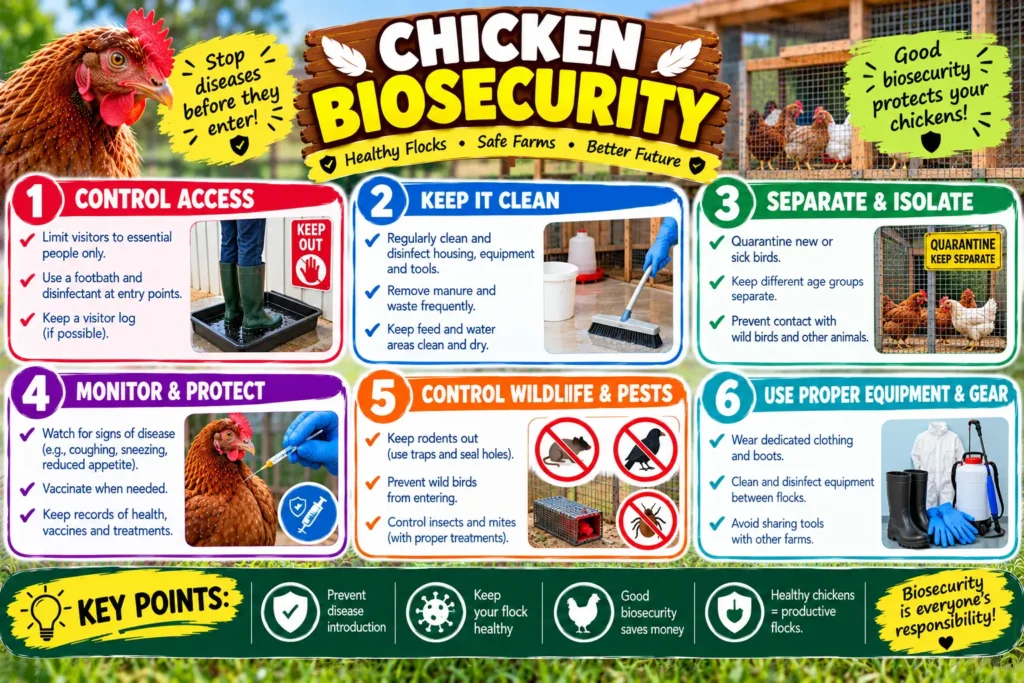
Quick Answer: Good chicken biosecurity means quarantining new birds, limiting outside contact with your flock, cleaning and disinfecting regularly, controlling wild bird and rodent access, and watching for early signs of illness every day.
Most backyard keepers think biosecurity only matters during disease outbreaks like avian influenza. In reality, the habits that prevent a major outbreak are the same ones that stop the everyday illnesses that quietly reduce egg production and shorten a flock’s lifespan. egg
Why Backyard Flock Biosecurity Gets Overlooked
Commercial poultry operations follow strict biosecurity protocols because a single outbreak can wipe out thousands of birds and trigger regulatory shutdowns. Backyard keepers often assume smaller flocks carry smaller risk, but the opposite can be true. Backyard birds frequently mix with wild birds, other flocks at swaps, and visiting friends’ shoes, all of which are common disease pathways that commercial operations tightly control.
Read More: https://lashegg.com/quarantine-new-chickens/
The Core Pillars of Chicken Biosecurity
1. Quarantine Every New Bird
New birds, whether from a hatchery, breeder, swap meet, or poultry show, should be isolated from your existing flock for at least 30 days. Even healthy-looking birds can carry pathogens that haven’t yet caused visible symptoms.
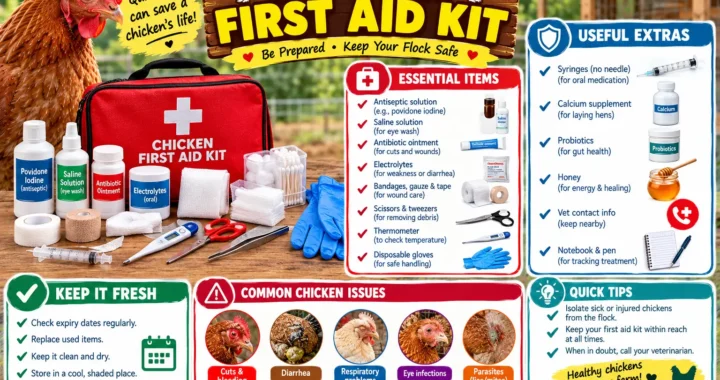
- Use a separate enclosure, ideally 30+ feet from the main coop
- Give quarantined birds their own feeder, waterer, and bedding
- Check daily for coughing, discharge, lethargy, or abnormal droppings
- Care for the main flock first each day, then handle quarantined birds last
Expert Tip: Extend quarantine to 4–6 weeks for birds from unknown sources like auctions, since risk is harder to assess without a health history.
2. Control Who and What Enters Your Coop
Most disease introduction happens through people, equipment, and vehicles moving between flocks, not through the air alone.
- Keep a dedicated pair of boots or boot covers used only near your coop
- Ask visitors who keep their own chickens to avoid contact with your birds the same day
- Disinfect any borrowed equipment, including crates, feeders, and egg cartons
- Avoid bringing home items like used coops or nesting boxes without cleaning them first
3. Manage Wild Birds, Rodents, and Pests
Wild waterfowl are a well-documented source of avian influenza, and rodents can spread salmonella and other pathogens between flocks.
- Store feed in metal or heavy plastic containers with tight lids
- Clean up spilled feed daily, since it attracts rodents and wild birds
- Use netting or covered runs in areas where wild waterfowl are common
- Set up rodent control measures around, not inside, the coop
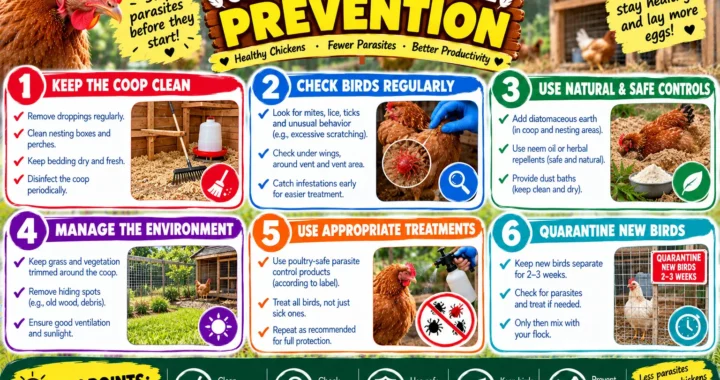
4. Clean and Disinfect on a Regular Schedule
Routine cleaning removes the organic material where pathogens survive and multiply, while disinfecting kills what cleaning leaves behind.
- Remove all bedding, droppings, and debris from the coop
- Scrub surfaces with soap and water to remove organic matter
- Apply a poultry-safe disinfectant, following label contact time
- Allow the coop to fully dry before adding fresh bedding
- Clean feeders and waterers separately, at least weekly
Table: Chicken Biosecurity Practices by Risk Level
| Practice | Purpose | Frequency |
| Quarantine new birds | Prevent introducing disease | 30+ days per new bird |
| Dedicated coop footwear | Prevent tracked-in contamination | Every visit |
| Feeder/waterer cleaning | Reduce bacterial growth | Weekly minimum |
| Full coop clean-out | Remove buildup of pathogens | Every 1–3 months |
| Visitor restrictions | Limit external exposure | Ongoing |
| Wild bird deterrents | Prevent avian flu exposure | Ongoing, seasonal focus |
Preventing Chicken Disease Through Daily Observation
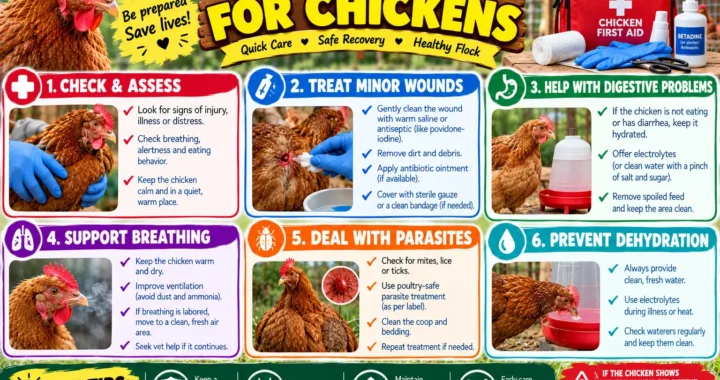
Biosecurity isn’t only about physical barriers. Daily health checks catch problems before they spread through the flock.
Watch for:
- Reduced egg production without an obvious cause
- Coughing, sneezing, or labored breathing
- Discoloration of the comb or wattles
- Lethargy, fluffed feathers, or birds isolating themselves
- Sudden changes in droppings
Warning: A sudden drop in egg production combined with respiratory symptoms in multiple birds can indicate a serious outbreak. Isolate affected birds immediately and contact a poultry veterinarian.
Common Mistakes in Backyard Flock Biosecurity
- Skipping quarantine because new birds “look fine”
- Letting visiting kids or neighbors handle chickens without hand-washing
- Sharing equipment between multiple flock owners without disinfecting it
- Assuming a small flock is too low-risk to need biosecurity habits
- Not tracking where feed and bedding come from
Chicken Biosecurity During Disease Outbreaks (Like Avian Flu)
During confirmed outbreaks of highly pathogenic avian influenza (HPAI) in an area, the USDA and state agriculture departments often recommend heightened measures beyond everyday routine, including:
- Keeping flocks fully enclosed rather than free-ranging
- Reporting sick or dead wild birds near your property
- Avoiding poultry swaps and shows until the outbreak subsides
- Increasing frequency of boot and equipment disinfection
Checking your state’s department of agriculture or extension service for local outbreak alerts is one of the most reliable ways to stay current, since risk levels shift by region and season.
Did You Know?
Avian influenza viruses can survive in cold, wet environments like mud or pond water for weeks. This is part of why wild waterfowl and standing water near a coop are considered higher-risk factors in seasonal biosecurity planning.
Backyard vs. Commercial Chicken Biosecurity: What’s Different
| Factor | Backyard Flocks | Commercial Operations |
| Flock size | Small, often under 50 birds | Thousands to millions |
| Regulatory oversight | Minimal | Strict, government-monitored |
| Exposure to wild birds | Often higher | Tightly controlled |
| Visitor traffic | Frequent, informal | Restricted, logged |
| Quarantine practices | Often inconsistent | Standardized protocols |
Backyard keepers can borrow the most effective commercial practices, like quarantine and dedicated footwear, without needing industrial-scale infrastructure.
When to Call a Vet
When to Call a Vet: Contact a poultry veterinarian if you notice sudden deaths, multiple birds showing respiratory symptoms at once, a sharp drop in egg production across the flock, or neurological signs like tremors or an inability to stand. These can indicate a reportable disease, and your vet may be required to notify your state’s animal health office depending on the diagnosis.
Frequently Asked Questions
What is chicken biosecurity in simple terms?
Chicken biosecurity is the group of habits and precautions that stop disease from entering or spreading through a flock, including quarantine, cleaning, and controlling outside contact.
How often should I disinfect my coop for biosecurity purposes?
A full clean-out and disinfection every one to three months is typical, with feeders and waterers cleaned weekly and spot-cleaning of droppings done more often.
Does backyard flock biosecurity really matter for a small flock?
Yes. Flock size doesn’t reduce exposure to wild birds, rodents, or visitors, which are the most common ways disease enters a coop regardless of how many birds you keep.
What’s the single most important biosecurity step for new chicken owners?
Quarantining new birds for at least 30 days before mixing them with an existing flock prevents the majority of disease introductions.
Can chicken biosecurity prevent avian flu?
Strong biosecurity practices significantly reduce the risk of avian flu exposure, particularly limiting contact with wild waterfowl and standing water, though no method offers complete elimination of risk during active regional outbreaks.
Final Thoughts
Chicken biosecurity doesn’t require expensive equipment or commercial-scale systems, just consistent daily habits. Quarantining new birds, controlling who touches your flock, managing pests, and cleaning on a regular schedule cover the vast majority of real-world risk. Keep watching your birds for early symptoms, and don’t hesitate to contact a poultry veterinarian if something changes suddenly across multiple birds at once.