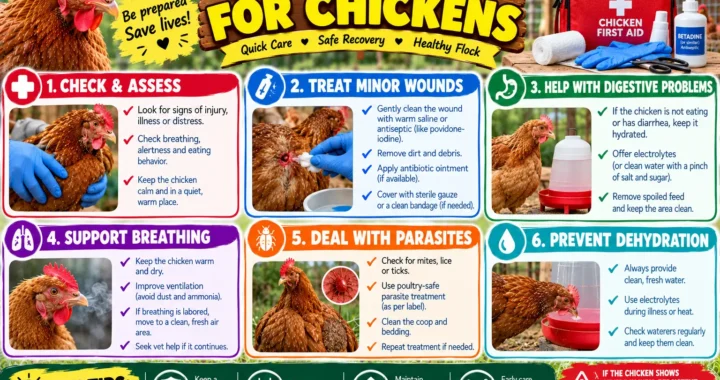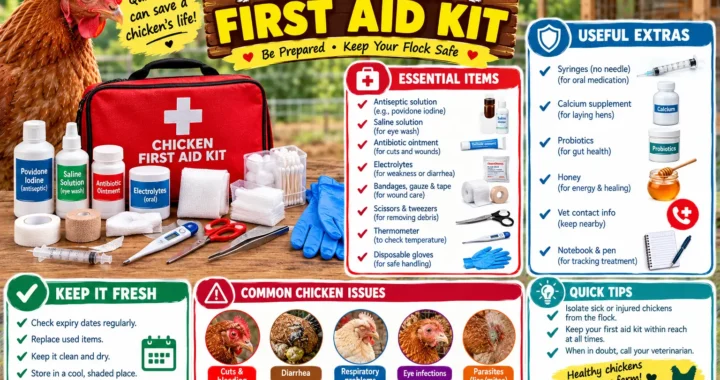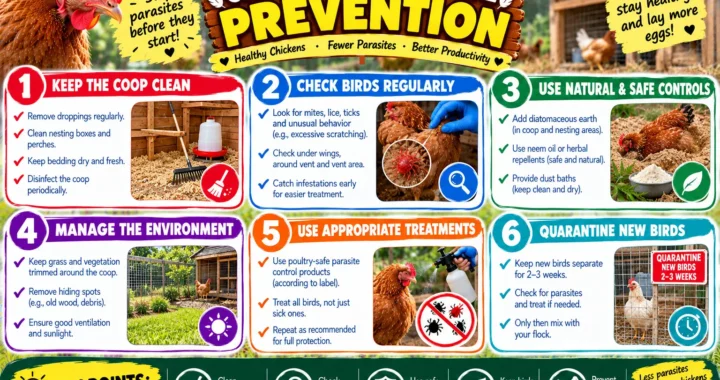
Biosecurity for Backyard Chickens: A Complete Flock Safety Guide

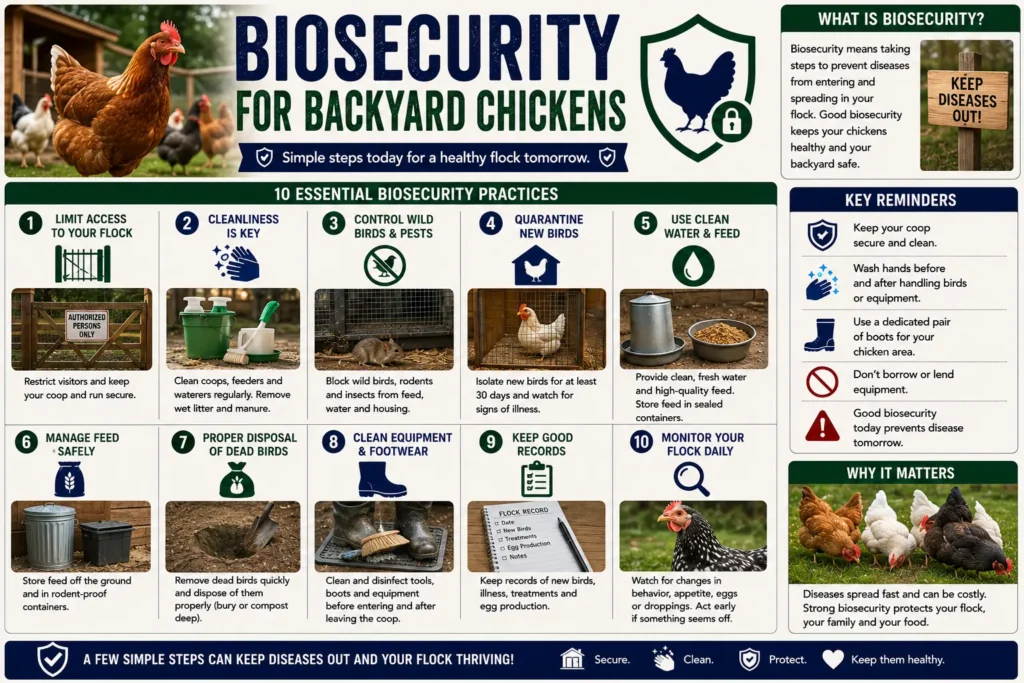
Biosecurity for backyard chickens is the single biggest factor separating flocks that stay healthy year after year from flocks that lose birds to preventable disease. If you keep even three or four hens in your backyard, the same principles that protect commercial farms apply to you, just on a smaller scale. Good flock hygiene isn’t complicated, but it does require consistency.
This guide walks through exactly what biosecurity means for a home flock, why it matters more than most new chicken keepers realize, and how to build simple habits that keep sickness out of your coop.
Table of Contents
What Is Biosecurity for Backyard Chickens?
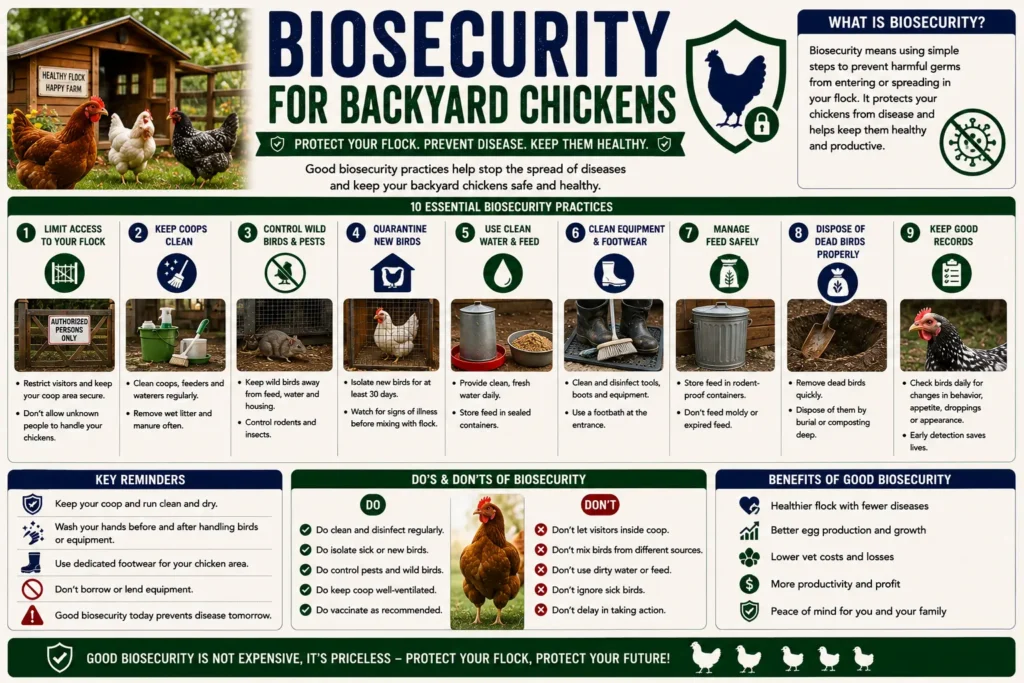
Biosecurity for backyard chickens means the everyday practices you use to stop disease-causing organisms from reaching your birds. It covers what enters your property, what touches your flock, and how quickly you’d notice if something went wrong.
Quick Answer: Biosecurity is not one big project. It’s a set of small, repeated habits — clean boots, separate equipment, controlled visitors, and watchful eyes — that together create a strong barrier against illness.
Three things typically bring disease into a flock:
- Wild birds, rodents, or insects carrying pathogens
- New or returning birds that look healthy but are incubating disease
- People, shoes, tools, and vehicles carrying contamination from other flocks
Understanding these three pathways is the foundation for every practice described below.
Why Biosecurity for Backyard Chickens Matters More Than People Think
Backyard flocks are often assumed to be lower risk than commercial operations because they’re smaller. In reality, backyard flocks are frequently at higher risk because they have more contact with wild birds, more visitors, and fewer formal protocols.
According to the USDA’s ongoing surveillance programs, highly pathogenic avian influenza has repeatedly appeared in backyard and hobby flocks, not just large commercial farms. Wild waterfowl migration patterns bring the virus close to almost every region at some point in the year, which is why flock hygiene isn’t optional even for a handful of hens in a suburban yard.
Read More: https://lashegg.com/preventing-salpingitis-in-chickens/
The Core Principles of Flock Hygiene
Flock hygiene is the practical, hands-on side of biosecurity. It’s what you actually do each day, not just the theory behind it. Every strong hygiene routine rests on four pillars.
1. Isolation (Keep Outsiders Out)
Isolation means limiting contact between your flock and outside birds, animals, and people whenever possible.
- Fence or enclose the coop and run so wild birds have limited access
- Keep feed stored in sealed, rodent-proof containers
- Avoid letting visitors handle your birds unless necessary
2. Traffic Control (Limit Who and What Comes Near)
Every person, vehicle, or piece of equipment that moves between flocks is a potential carrier.
- Designate coop-only boots or use disposable shoe covers
- Keep a boot-wash or disinfectant station at the entrance
- Don’t borrow coops, cages, or feeders from other chicken keepers without cleaning them first
3. Sanitation (Clean and Disinfect Regularly)
Cleaning removes visible dirt; disinfecting kills pathogens that cleaning alone leaves behind. Both steps matter.
- Scrub feeders and waterers weekly with soap and water
- Follow with a poultry-safe disinfectant, then let items dry fully
- Remove wet bedding promptly, since damp litter breeds bacteria
4. Health Monitoring (Watch for Early Warning Signs)
Daily observation catches problems while they’re still manageable.
- Check for changes in appetite, energy, or egg production
- Look for respiratory sounds, swelling, or discharge
- Separate any bird showing symptoms immediately
Expert Tip: Walk through your coop at the same time every day. A consistent routine makes it much easier to notice small changes in behavior before they become emergencies.
Step-by-Step: Building a Biosecurity Plan for Your Coop
You don’t need a written manual to protect a small flock, but having a simple mental checklist helps you stay consistent, especially during high-risk seasons like spring and fall migration.
- Assess your risk factors. Note nearby ponds, wild bird activity, other poultry owners nearby, and how often visitors come near your coop.
- Set a footwear rule. Keep dedicated coop shoes or boots that never leave the property.
- Secure feed and water. Use covered feeders and rodent-resistant storage bins.
- Control new bird introductions. Quarantine any new or returning bird for at least 30 days.
- Establish a cleaning schedule. Weekly deep cleans, daily spot cleaning.
- Limit visitor contact. Ask visitors who keep their own poultry to avoid direct contact with your birds.
- Watch and record. Keep a simple log of egg counts and any unusual behavior.
- Know your local vet or extension office. Have contact information ready before you need it.
Quarantine: The Most Skipped Step in Flock Hygiene
New birds are one of the most common ways disease enters an otherwise healthy flock, yet quarantine is the step most backyard keepers skip because it feels inconvenient.
Warning: A bird can look completely healthy and still be shedding a contagious pathogen. Skipping quarantine because “she looks fine” is one of the most common mistakes new chicken keepers make.
How Long Should You Quarantine New Chickens?
Most poultry extension programs, including several university extension services, recommend a minimum of 30 days of separation for any new or returning bird. During this period:
- House the new bird in a separate space, ideally with its own air space
- Feed and water it last, after tending to your established flock
- Watch closely for coughing, sneezing, lethargy, or diarrhea
- Wash your hands and change footwear between handling groups
If you attend poultry shows, swaps, or auctions, treat every returning bird as new, even if it’s one you already own.
Common Diseases Prevented by Good Biosecurity
| Disease | Main Cause | Key Symptoms | Prevention Focus |
| Avian Influenza | Virus, often wild waterfowl | Sudden death, respiratory distress, swelling | Limit wild bird contact, isolation |
| Marek’s Disease | Herpesvirus | Paralysis, tumors, weight loss | Vaccination, clean brooding area |
| Coccidiosis | Protozoan parasite | Bloody droppings, lethargy | Dry bedding, sanitation |
| Infectious Bronchitis | Coronavirus | Coughing, sneezing, reduced laying | Quarantine, traffic control |
| Fowl Pox | Virus, mosquito-spread | Skin lesions, scabs | Mosquito control, isolation |
This table reflects general patterns described by veterinary references such as the Merck Veterinary Manual and MSD Veterinary Manual. It is not a diagnostic tool, and any suspected illness should be confirmed by a veterinarian.
Flock Hygiene for Coop Design and Layout
The physical setup of your coop either supports or undermines your biosecurity efforts.
Ventilation and Moisture Control
Poor ventilation traps ammonia and moisture, which weakens respiratory defenses and makes birds more susceptible to infection. Aim for airflow that removes stale air without creating a direct draft on roosting birds.
Predator and Pest Exclusion
Rodents and wild birds don’t just steal feed — they carry pathogens directly into your coop. Seal gaps larger than a quarter-inch, store feed in metal or hard plastic containers, and clean up spilled feed promptly.
Litter Management
Deep litter systems can work well, but only with regular turning and moisture monitoring. Wet, compacted litter is one of the fastest ways to build up harmful bacteria and parasite loads.
Did You Know? Ammonia buildup from dirty litter can irritate a chicken’s respiratory tract long before you can smell it yourself, making birds more vulnerable to airborne disease.
Seasonal Biosecurity Considerations
| Season | Main Risk | Recommended Action |
| Spring | Wild bird migration | Increase isolation, cover open runs |
| Summer | Heat stress, insects | Ensure shade, control mosquitoes and flies |
| Fall | Migration, moisture | Recheck coop seals, manage wet litter |
| Winter | Poor ventilation, crowding | Balance warmth with airflow |
People Also Ask: Common Questions About Biosecurity for Backyard Chickens
Do small backyard flocks really need biosecurity?
Yes. Flock size doesn’t change how disease spreads. A flock of four birds can be exposed to the same pathogens as a commercial operation, often with less protective infrastructure in place.
Can I get sick from my chickens?
Some poultry diseases, like certain strains of avian influenza and salmonella, can pass to humans. Washing hands after handling birds or eggs and avoiding contact with sick birds reduces this risk significantly.
How often should I disinfect the coop?
A full clean and disinfect cycle every one to two weeks is a reasonable baseline for most small flocks, with spot cleaning of feeders and waterers happening more frequently, ideally daily to weekly.
What’s the difference between cleaning and disinfecting?
Cleaning physically removes dirt, droppings, and organic matter. Disinfecting uses a chemical agent to kill remaining pathogens. Skipping the cleaning step reduces how well disinfectants work, since organic matter can block their contact with surfaces.
Should I let my chickens free-range if I’m worried about biosecurity?
Free-ranging increases contact with wild birds and their droppings, which raises risk during high-alert periods like confirmed avian influenza activity in your region. Many keepers choose to restrict free-ranging temporarily during those windows rather than stopping it permanently.
Common Mistakes in Backyard Flock Biosecurity
- Skipping quarantine for new or returning birds
- Reusing dirty footwear between different flocks or properties
- Ignoring wild bird droppings near feed and water sources
- Letting bedding stay wet for extended periods
- Assuming a healthy-looking bird can’t be carrying disease
- Forgetting rodent control, which undermines even good coop hygiene
When to Call a Vet
When to Call a Vet: Contact a poultry veterinarian or your state animal health office immediately if you notice sudden unexplained deaths, multiple birds showing respiratory distress at once, significant drops in egg production paired with lethargy, or neurological signs like tremors and paralysis. Early reporting also helps track regional disease activity, which protects neighboring flocks.
Home care is appropriate for minor, isolated issues you can clearly identify, such as a small wound or mild pecking-order stress. Anything involving multiple birds, rapid onset, or unclear symptoms calls for professional evaluation rather than guesswork.
Building Long-Term Habits That Actually Stick
The flocks that stay healthiest over the years aren’t necessarily the ones with the most expensive setups. They’re the ones where biosecurity for backyard chickens becomes routine rather than an afterthought. Small, repeated actions — dedicated boots, a quarantine pen, a weekly cleaning schedule — matter far more than occasional deep efforts.
Start with one or two changes if a full overhaul feels overwhelming. Add a boot-wash station this month. Set up a proper quarantine space next month. Consistency compounds, and a flock protected by steady habits will consistently outperform one protected by good intentions alone.
Keep watching your birds daily, keep your routines simple enough to maintain, and reach out to a veterinarian or your local extension office whenever something looks off. That combination of daily attention and readiness to seek help when needed is the real core of biosecurity for backyard chickens.
FAQ
Q: What is the simplest definition of biosecurity for backyard chickens? A: It’s the set of daily habits — like clean footwear, controlled visitors, and quarantine for new birds — that stop disease from reaching your flock.
Q: Is biosecurity only necessary during disease outbreaks? A: No. Consistent flock hygiene should be a year-round habit, though extra precautions are wise during high-risk seasons like spring and fall migration.
Q: How much does good biosecurity cost? A: Most core practices, like footwear rules, quarantine periods, and cleaning schedules, cost little to nothing. The main investment is time and consistency.
Q: Can indoor pet chickens skip biosecurity practices? A: No. Even chickens kept partly indoors can be exposed through contaminated feed, human contact, or exposure during outdoor time.
Q: What’s the fastest way to improve biosecurity for backyard chickens this week? A: Set up a dedicated pair of coop-only shoes and start a 30-day quarantine routine for any new birds. These two changes address the most common entry points for disease.