How to Take Care of Chickens: After the Coop Is Built

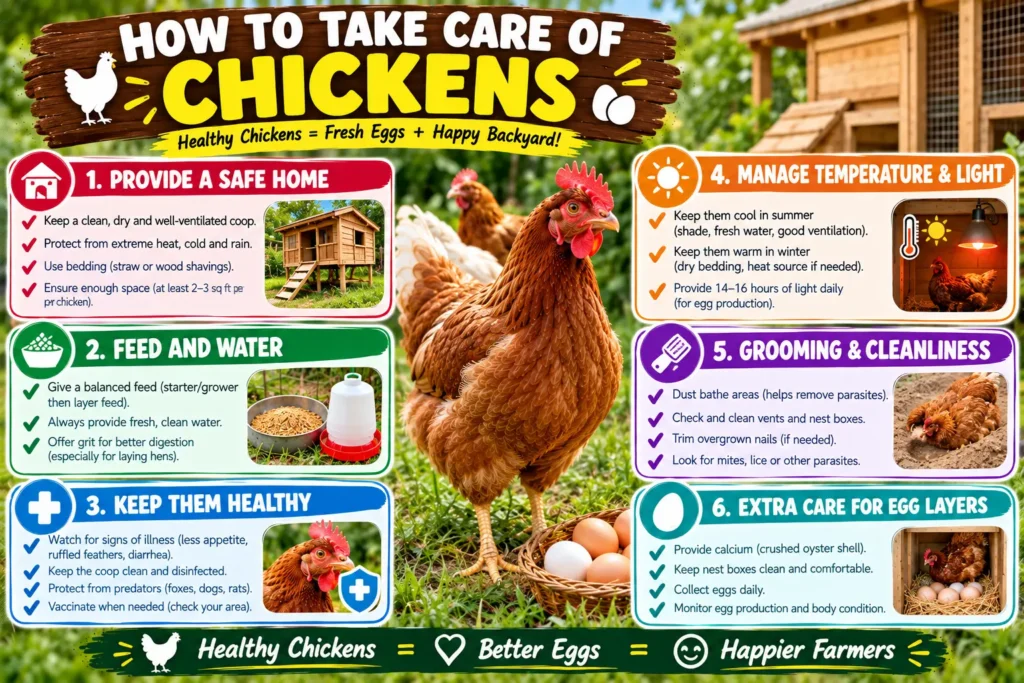
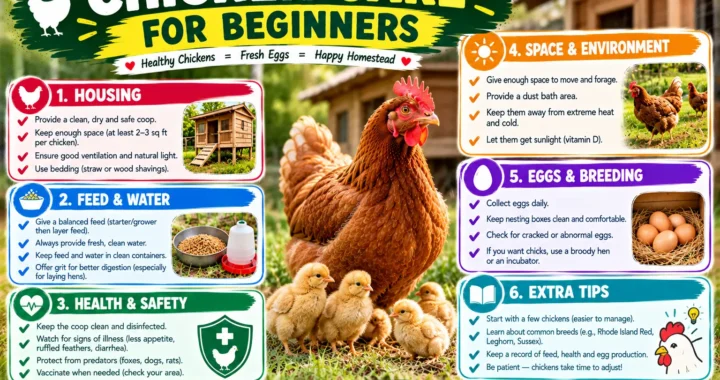
How to take care of chickens is a question that changes shape once the coop is actually built and birds are living in your yard. The pre-purchase decisions, zoning, coop design, breed selection, get their own dedicated coverage elsewhere; this guide picks up from there, walking through what caring for backyard chickens actually looks like month to month, season to season.
Think of this as the ongoing story: feeding as your flock matures, watching for health changes over time, and adjusting your care as the seasons shift.
Quick Answer: How to take care of chickens comes down to consistent daily basics (feed, water, egg collection, coop security), regular health observation, feed adjusted to life stage, and seasonal management for heat and cold. Most of the work is routine rather than complicated, and the specific daily and seasonal task breakdown is covered step-by-step in the companion health checklist.
Table of Contents
Feeding Your Flock as They Grow and Change
Matching Feed to Life Stage Over Time
As chicks become pullets and pullets become laying hens, feed needs shift accordingly, from starter to grower to a complete layer feed. Getting this timing right supports healthy development and, eventually, consistent egg production.
| Stage | Feed Type | Approximate Age |
| Chick | Starter feed | 0–8 weeks |
| Pullet | Grower feed | 8–18 weeks |
| Laying hen | Layer feed | 18+ weeks, once laying begins |
Treats and Supplements in Moderation
Once your flock is established, it’s tempting to feed generously from kitchen scraps and treats. Keeping these to roughly 10% or less of the overall diet protects the nutritional balance a complete feed is designed to provide.
Did You Know? A hen’s calcium and protein needs increase substantially the moment she starts laying, which is exactly why the switch from grower to layer feed timing matters more than many new keepers initially expect.
Read More: https://lashegg.com/chicken-care-for-beginners/
Ongoing Health Observation
Building Familiarity Over Time
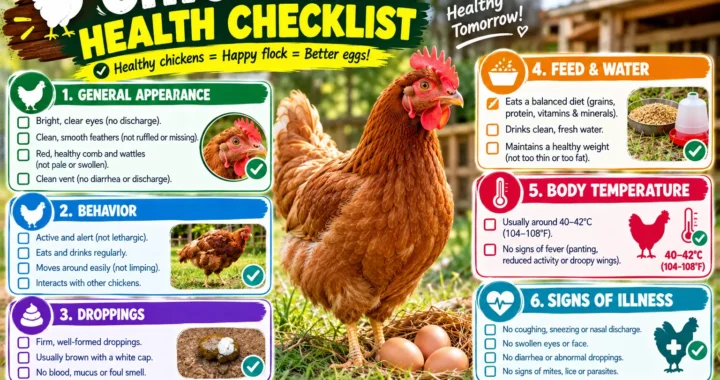
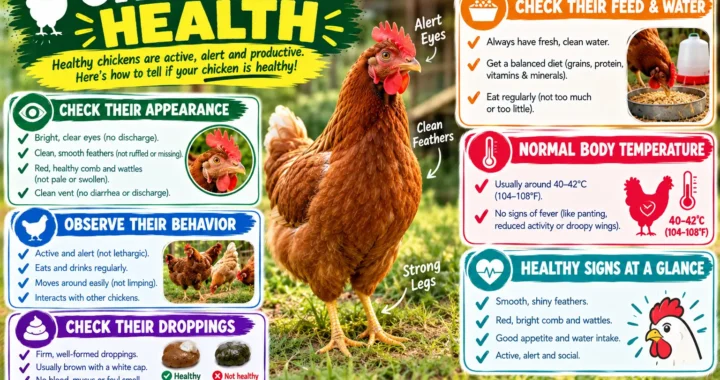
Caring for backyard chickens long-term means gradually learning what’s normal for each specific bird, her typical comb color, her usual activity level, her general body condition, so that changes become easier to spot.
A Simple Rhythm to Follow
- Daily: quick visual check during feeding and egg collection
- Weekly: closer observation of behavior and feather condition
- Monthly: hands-on check of comb, body condition, and vent area
The full task-by-task breakdown of this rhythm, including seasonal adjustments, lives in the dedicated flock health checklist for anyone wanting a complete, printable reference.
Caring for Chickens Through the Seasons
Spring
Focus on post-winter coop cleaning and watching for the return of parasites as weather warms.
Summer
Prioritize shade, ventilation, and more frequent water checks as heat increases; egg production may dip during genuine heat waves.
Fall
Support molting hens with increased protein, and consider whether supplemental lighting fits your goals as daylight shortens.
Winter
Focus on preventing frozen water, watching for cold stress, and maintaining consistent feeding despite shorter days.
| Season | Primary Care Focus |
| Spring | Cleaning, parasite prevention |
| Summer | Heat management, hydration |
| Fall | Molt support, lighting decisions |
| Winter | Freeze prevention, cold monitoring |
Flock Dynamics and Social Care
Understanding the Pecking Order
Chickens establish a natural hierarchy, and some squabbling is normal, especially when introducing new birds. Learning to distinguish normal pecking order behavior from genuine bullying is part of long-term flock care.
Introducing New Birds Over Time
As your flock ages and production naturally declines, many keepers periodically add younger pullets. Proper quarantine and a gradual introduction process protect both new and existing birds.
Expert Tip
Keep a simple, ongoing journal, even just a few lines a week, noting egg counts, any health observations, and seasonal changes you make. Looking back on a full year of these notes makes patterns, both problems and what worked well, much easier to spot than relying on memory.
Common Mistakes in Ongoing Chicken Care
- Continuing grower feed too long after hens start laying, or switching to layer feed too early
- Letting daily basics slide because “the flock seems fine”
- Assuming pecking order squabbles and genuine bullying are the same thing
- Skipping seasonal adjustments until extreme weather has already caused a problem
- Adding new birds without proper quarantine, even from seemingly healthy sources
Warning
Complacency is one of the biggest risks in long-term chicken care. A flock that’s been healthy and low-maintenance for months can still develop sudden problems, from a predator finding a weak point in the coop to an illness moving through the group, so consistent basic care matters even when nothing seems to be going wrong.
When to Call a Vet
Contact a poultry veterinarian if ongoing observation reveals a change that doesn’t resolve within a few days, or if you’re unsure whether something you’re seeing is normal aging, seasonal variation, or a genuine health concern. Establishing a relationship with a poultry-experienced vet before you need one makes this part of how to take care of chickens considerably less stressful.
People Also Ask
How to take care of chickens differently as they age? Feed, activity expectations, and egg production all shift gradually as hens move past their peak years, generally calling for continued good nutrition and lower expectations for output rather than any dramatic care changes.
What’s the most time-consuming part of caring for backyard chickens? Daily basics take very little time once routine, but seasonal preparation, like winterizing or setting up summer cooling, requires more periodic effort.
Do chickens need different care in different climates? Yes, hot climates require more focus on cooling and hydration, while cold climates require more attention to insulation, ventilation balance, and freeze prevention.
How do I know if my chicken care routine is actually working? Consistent egg production for your flock’s age and season, good body condition, and the absence of recurring health issues are all signs your ongoing care approach is effective.
Should chicken care change once a flock is well established? The basics stay consistent, but seasonal adjustments, feed transitions as birds age, and periodic flock additions all require ongoing attention even in an established, otherwise low-maintenance flock.
Final Thoughts
How to take care of chickens, once the initial setup is behind you, becomes a rhythm of consistent daily basics, ongoing health observation, and seasonal adjustments. Most of the work is routine, and familiarity with your specific flock makes it easier every month.
Lean on the detailed checklist and specific-topic guides linked throughout for the finer points, and reach out to a poultry veterinarian whenever ongoing observation reveals something that doesn’t fit your flock’s normal pattern.
5. FAQ
Q: How to take care of chickens once they’re past their first year? A: Continue the same daily and seasonal basics, while watching for gradually declining egg production and adjusting expectations as hens move past their peak laying years.
Q: What’s included in a good chicken care guide beyond the basics? A: Beyond feeding and water, a complete approach includes ongoing health observation, seasonal adjustments, flock dynamics management, and a plan for adding new birds over time.
Q: How often should caring for backyard chickens routines be reviewed? A: Reviewing your routine each season, and after any significant flock change like new birds or extreme weather, helps keep care practices matched to current conditions.
Q: Does chicken care get easier over time? A: Yes, familiarity with your specific flock and routine builds quickly, generally making ongoing care feel much more manageable after the first few months.
Q: What’s the biggest long-term challenge in how to take care of chickens? A: Avoiding complacency once a flock seems consistently healthy is one of the more common long-term challenges, since basic care remains important even when nothing seems to be going wrong.