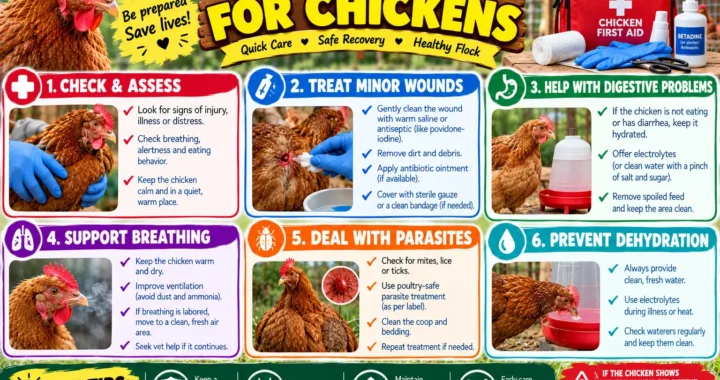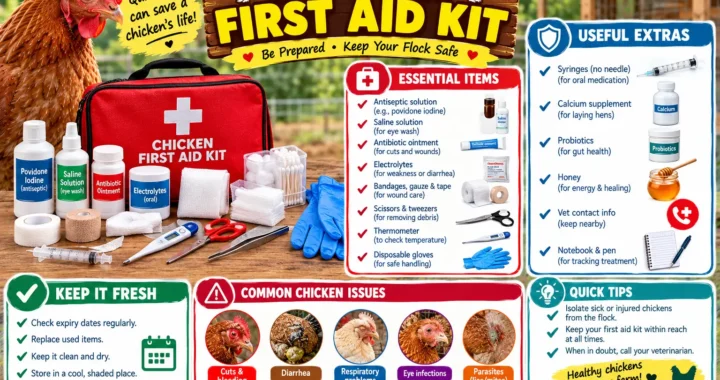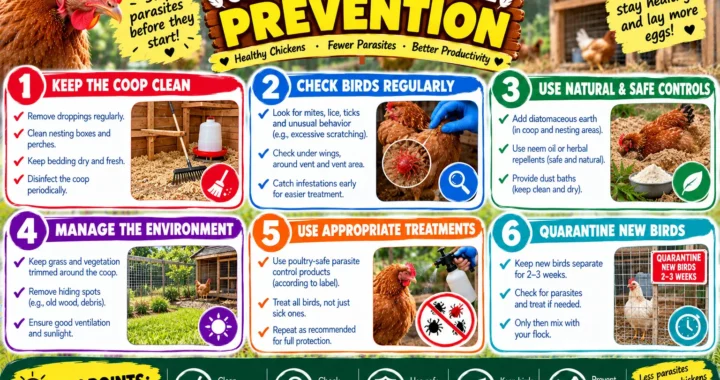
Chicken Cold Stress: The Reference Guide

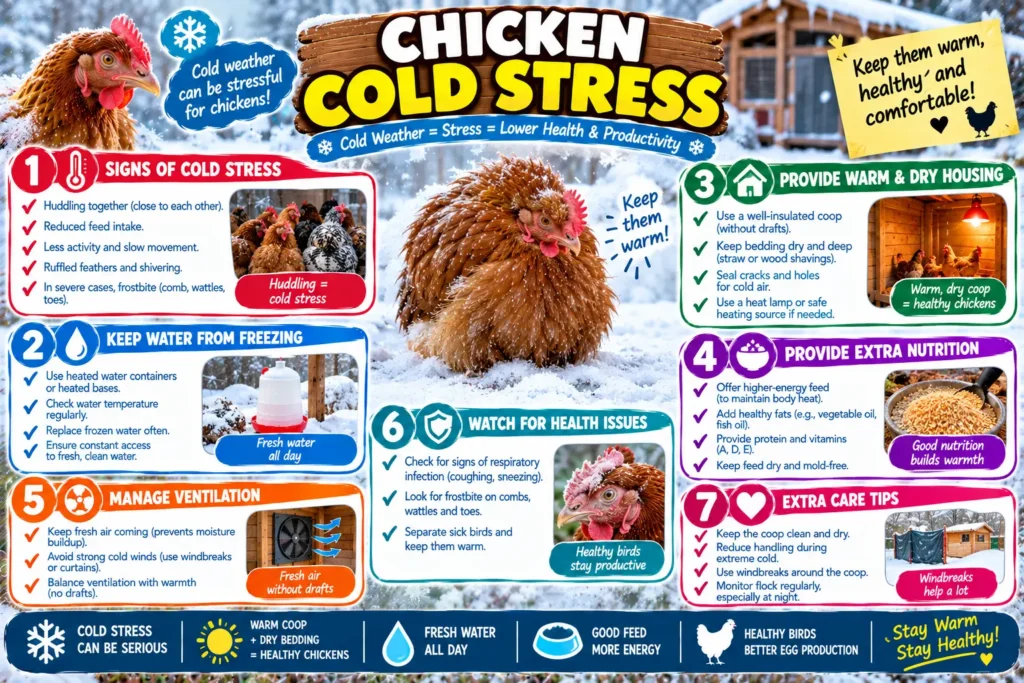
Chicken cold stress is a physiological response, not just discomfort, triggered when a bird’s heat-generating and heat-retaining mechanisms can’t keep pace with dropping body temperature. This page works as a quick reference: what’s actually happening inside a cold-stressed bird and which individual chickens face the highest risk in cold weather.
For the practical side, frostbite prevention, water management, and daily winter techniques, the companion guide on keeping chickens warm in winter covers that ground thoroughly. This page focuses specifically on the condition itself and who’s most vulnerable.
Quick Answer: Chicken cold stress occurs when a bird’s body loses heat faster than metabolism and insulation can replace it. Signs of cold stress progress from fluffed feathers and reduced activity to more severe symptoms like lethargy or an inability to stay warm. Very young or old chickens, wet or underweight birds, and those with large, exposed combs face the highest risk.
Table of Contents
What’s Physiologically Happening During Cold Stress
How Chickens Normally Generate and Retain Heat
Chickens rely on feather insulation (trapping warm air close to the body), increased metabolic rate (burning more calories for heat), and behavioral adjustments like huddling to maintain core body temperature in cold conditions.
The Cascading Effect
When cold exposure exceeds what these mechanisms can offset, the body prioritizes core organ function over extremities, reducing blood flow to the comb, wattles, and feet, which is exactly why these areas face the highest frostbite risk during genuine cold stress.
| Physiological Response | Purpose | Trade-off |
| Feather fluffing | Increases insulating air layer | Limited effectiveness if feathers are wet |
| Increased metabolism | Generates additional body heat | Requires increased feed intake |
| Huddling behavior | Shares body heat among birds | Can disadvantage weaker individuals if overcrowded |
| Reduced blood flow to extremities | Preserves core temperature | Increases frostbite risk in comb, wattles, feet |
Did You Know? A chicken’s normal body temperature sits around 105–107°F, meaning even a moderate drop represents a larger relative change than the same temperature drop would for a mammal with a lower baseline body temperature.
Read More: https://lashegg.com/chicken-heat-stress/
Who’s Most at Risk for Chicken Cold Stress
Breed-Related Risk Factors
Breeds with larger single combs and lighter body mass generally handle cold less effectively than smaller-combed, heavier-bodied, more densely feathered breeds developed in colder climates.
| Risk Factor | Higher Risk | Lower Risk |
| Comb type | Large single combs | Rose or pea combs |
| Body size | Lighter-bodied breeds | Heavier, cold-hardy breeds |
| Feather density | Lighter feathering | Dense feathering |
| Origin/development | Warm-climate breeds | Breeds developed in cold regions |
Age-Related Risk Factors
Very young chicks, without full feather development, and older hens, with potentially reduced metabolic efficiency, both face higher cold stress risk than healthy adult birds in their prime.
Condition-Related Risk Factors
Wet feathers dramatically increase cold stress risk regardless of temperature alone, since moisture destroys the insulating air layer feathers normally provide. Underweight birds also face higher risk due to reduced fat insulation. egg
| Condition Factor | Why It Increases Risk |
| Wet feathers | Destroys insulating air layer |
| Underweight body condition | Reduced fat insulation |
| Young chicks | Incomplete feather development |
| Older hens | Potentially reduced metabolic efficiency |
Recognizing the Stages of Cold Stress
Early to Severe Progression
Cold stress in chickens moves along a spectrum rather than appearing suddenly, making early recognition valuable for preventing progression to more serious effects.
| Stage | Key Signs |
| Early | Fluffed feathers, reduced activity, huddling |
| Moderate | Increased huddling, reduced feed/water intake |
| Severe | Lethargy, weakness, visible frostbite, inability to stay warm |
For the full step-by-step prevention approach, including frostbite protection and water management, the companion winter warmth guide covers exactly what to do at each stage.
Common Mistakes in Understanding Cold Stress Risk
- Assuming all breeds handle cold equally regardless of comb type or feather density
- Overlooking wet conditions as a bigger risk factor than cold temperature alone
- Assuming healthy adult birds face the same risk as chicks or older hens
- Treating cold stress as an all-or-nothing state rather than a progressive spectrum
- Ignoring body condition (underweight birds) as a significant risk factor
Warning
Wet, cold conditions pose dramatically higher risk than dry cold at the same temperature, since moisture destroys feathers’ insulating properties almost entirely. Prioritizing dryness matters as much as raw temperature when assessing chicken cold stress risk.
When to Call a Vet
Contact a poultry veterinarian if a bird shows signs progressing toward the severe end of the cold stress spectrum, particularly lethargy, weakness, or visible frostbite, or if a high-risk individual (very young, old, underweight, or large-combed) shows even moderate signs during extreme cold, since these birds have less physiological reserve to recover without intervention.
People Also Ask
What causes chicken cold stress most commonly? Extended exposure to cold temperatures combined with wet conditions or inadequate shelter from wind is the most common trigger, since wet feathers lose their insulating properties almost entirely.
What are the very first signs of cold stress to watch for? Fluffed feathers and increased huddling behavior are typically the earliest visible signs, appearing well before more serious symptoms develop.
Are some chicken breeds more resistant to cold stress? Yes, heavier-bodied, densely feathered breeds with smaller rose or pea combs, often developed in colder regions, generally handle cold significantly better than lighter, large-combed breeds.
Does chicken cold stress affect young and old birds differently? Yes, chicks with incomplete feather development and older hens with potentially reduced metabolic efficiency both face higher risk than healthy adult birds in their prime.
Can chicken cold stress happen even with a well-insulated coop? Yes, particularly if birds get wet from rain or snow exposure, or during extreme cold snaps that exceed typical insulation capacity, making individual risk factors still relevant even with good housing.
Final Thoughts
Chicken cold stress reflects a real physiological struggle to maintain body temperature, with risk varying significantly by breed, age, body condition, and moisture exposure. Understanding these risk factors helps identify which specific birds in a flock need the closest attention during cold weather.
For the practical response, frostbite prevention and daily winter management, the companion guide on keeping chickens warm in winter covers that ground in full detail, and a poultry veterinarian should be involved promptly for any bird showing signs progressing toward the severe end of the spectrum.
5. FAQ
Q: What is chicken cold stress exactly? A: It’s a physiological state where a bird’s heat-generating and insulating mechanisms can’t keep pace with heat loss, leading to a spectrum of signs from mild to severe.
Q: Which chickens are most vulnerable to cold stress in chickens? A: Large-combed, lighter-bodied breeds, very young chicks, older hens, underweight birds, and any bird exposed to wet conditions all face elevated risk compared to healthy, dry adult birds of a cold-hardy breed.
Q: Can chicken cold stress cause long-term health effects? A: Mild to moderate cold stress typically resolves without lasting effects once conditions improve, though severe or repeated cold stress, especially with frostbite, can cause lasting tissue damage.
Q: How does moisture affect chicken cold stress risk? A: Wet feathers dramatically worsen cold stress by destroying their insulating air layer, making wet cold considerably more dangerous than dry cold at the same temperature.
Q: Is chicken cold stress the same as frostbite? A: No, cold stress describes the broader physiological response across a spectrum, while frostbite refers to a specific, localized tissue injury that can occur as part of severe cold stress.