Chicken feather loss is usually a normal yearly molt. It can also signal mites, pecking, a pushy rooster, or feed that is too low in protein. The pattern of missing feathers usually tells you which one you are dealing with.

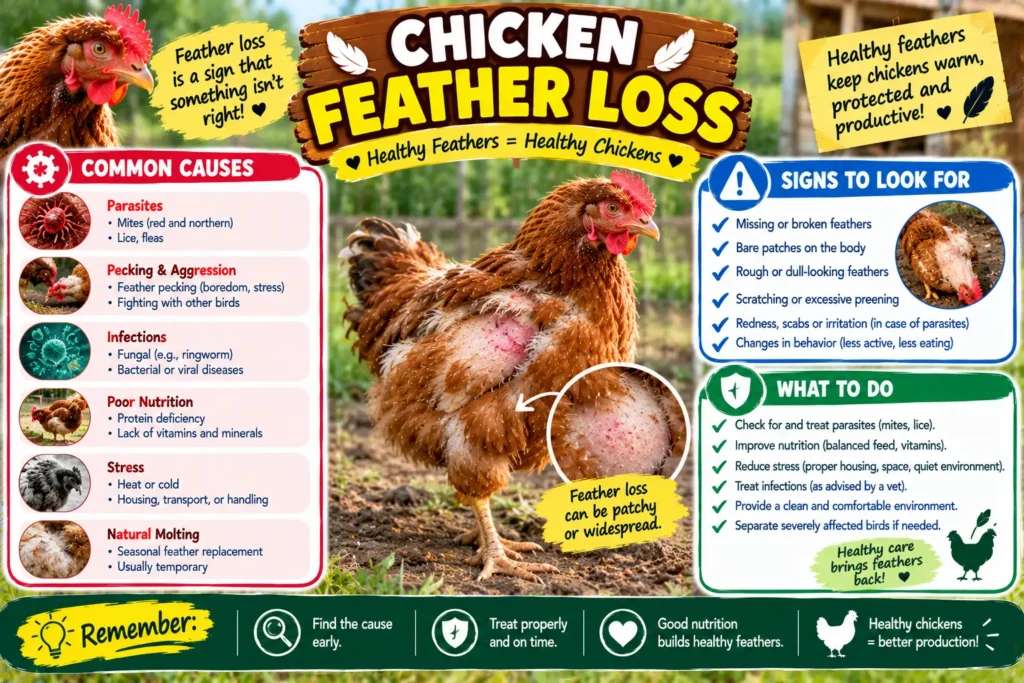
Seeing your chickens losing feathers can feel scary, especially when bald patches appear overnight. This guide helps you read the clues, find the cause, and fix it. It also covers what to feed, what to treat, and when to call a vet.
Quick Answer: Even feather loss that starts at the head and neck in fall is normal molting. A bald patch in one spot, red or scabby skin, or one bird being picked on points to a problem such as mites, pecking, a rooster, or low protein. Find the cause first, then treat it.
[Image suggestion: a hen mid-molt showing spiky pin feathers on her back. Alt text: hen with chicken feather loss during a fall molt, showing new pin feathers]
Table of Contents
Is Chicken Feather Loss Normal or a Warning Sign?
Both are possible. Adult birds replace their feathers on a yearly schedule, and veterinary references note that birds lose and replace most of their feathers at least once a year. That is normal.
Trouble starts when the loss doesn’t fit the molt. Use this table to compare.
| Sign | Normal molt | Possible problem |
| Timing | Late summer to fall, as days shorten | Any time of year |
| Pattern | Even loss across the body | Bare patch in one area |
| Skin | Clean and pink, with pin feathers coming in | Red, scabby, scaly, bleeding, or crawling with insects |
| Egg laying | Slows or stops | Drops along with other symptoms |
| Behavior | Grumpy but eating and drinking | Lethargic, itchy, hiding, or bullied |
| Flock | Most birds molt around the same time | One or two birds, or one body area |
Did You Know? Feathers are built almost entirely from protein. A Purina flock nutritionist puts it at roughly 80 to 85 percent. That is why a molting hen needs protein far more than extra calcium. egg
Common Feather Loss Causes at a Glance
Here are the most common feather loss causes in backyard flocks. Where the bare spots appear is your best clue.
| Cause | Where feathers go missing | Other clues |
| Molting | Head and neck first, then back, breast, wings, tail | Fall timing, fewer eggs, spiky pin feathers |
| Low protein | Thin, dull feathers all over, slow regrowth | Poor egg quality, long molt |
| Mites | Vent, under wings, back | Crusty skin, itching, pale comb |
| Lice | Vent, thighs, under wings | Fast-moving insects, egg clusters at feather bases |
| Feather pecking | Back, tail, vent | Bloody skin, one bird targeted |
| Rooster overmating | Back, back of head, neck (hens only) | Rooster in the flock |
| Broodiness | Breast | Sitting on the nest, growling, no eggs |
| Stress and crowding | Patchy or sudden | Recent move, predator scare, heat, new birds |
| Vent gleet or skin infection | Around the vent | Smell, discharge, scabs |
| Illness or internal parasites | Varies | Weight loss, lethargy, droppings change |
Veterinary references also list wear and tear, infections, parasites, and barbering by flock mates as sources of feather damage. Each of these fits into the ten causes below.
Read More: https://lashegg.com/why-do-chickens-dust-bathe/
The 10 Main Causes, Explained
1. Molting
Molting causes most chicken feather loss. Hens usually have their first full molt at about 18 months old, then repeat it each year. It mostly happens in fall, when daylight shrinks. The order is predictable: head and neck first, then back, breast, wings, and tail.
Soft molt vs. hard molt
Some hens have a soft molt, losing feathers slowly with few bare patches. Others have a hard molt with large, ragged areas. Both are normal.
How long does molt last?
Expect about 8 weeks, though some birds take up to 16. Egg laying usually pauses. One university extension source says production is often about 15% lower after each molt.
New feathers grow inside a waxy sheath called a pin feather. The base can be tender, so molting hens may hate being picked up.
Expert Tip: Handle molting hens as little as possible. If a growing feather breaks and bleeds, press it with a clean cloth and use cornstarch or flour to help it clot. Call a vet if the bleeding won’t stop.
2. Low Protein or Poor Diet
A weak diet gives you dull, brittle feathers and a slow molt. Typical layer feed is about 16% protein, which is not enough to build a whole new coat. Scratch grains and corn make it worse because they dilute the protein in the ration.
The fix is simple:
- Switch to a complete feed with about 18–20% protein, such as a flock raiser or all-flock ration.
- Mix old and new feed over 7–10 days so digestion stays steady.
- Keep oyster shell in a separate dish for laying hens, since grower and all-flock feeds are low in calcium.
- Limit scratch and treats to a small share of the diet.
Protein-rich extras like mealworms, scrambled eggs, and black oil sunflower seeds can help. For more ideas,
3. Mites
Mites are a top cause of feather loss that is not molt. Several kinds affect chickens:
- Northern fowl mites live on the bird, mostly around the vent.
- Red mites hide in coop cracks and feed at night.
- Scaly leg mites burrow under leg scales.
- Depluming mites irritate the base of feathers, causing itching and loss.
Feather loss around the vent points to mites or another external parasite. Check the birds after dark with a flashlight, including under the wings. Other signs are crusty or scabby skin, restless roosting, a pale comb, and fewer eggs.
Warning: Never use dog or cat flea products, or any pesticide not labeled for poultry. Some chemicals are toxic to birds. Ask a vet what is approved where you live, and check egg withdrawal times on the label.
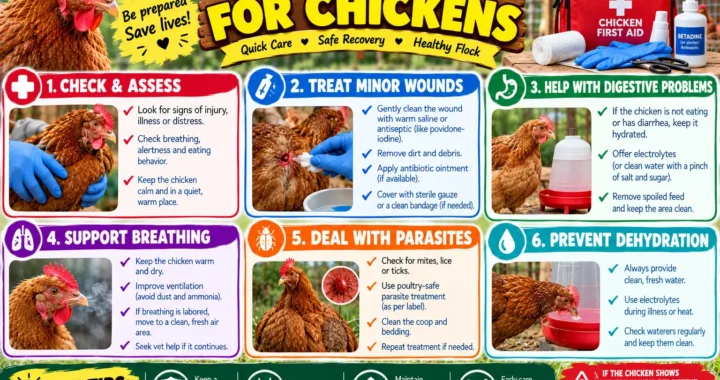
Treat every bird and the coop, and repeat in 7–10 days to catch newly hatched mites. Our covers treatment in more detail.
4. Lice
Chicken lice are small, straw-colored insects that move fast on the skin. You may also see clusters of tiny eggs stuck to feather bases near the vent. They irritate the skin and cause broken, ragged feathers.
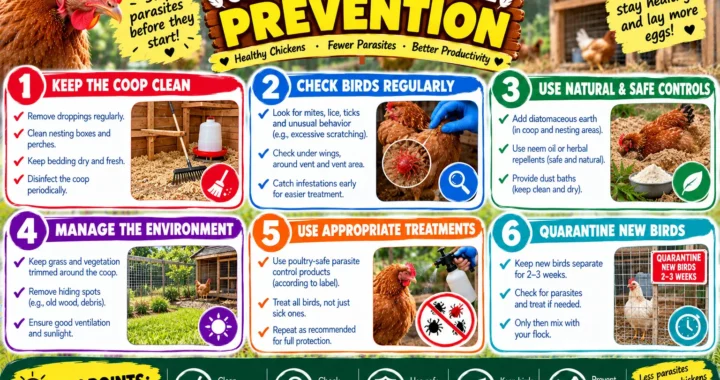
Part the feathers in good light and look at the skin. Treat lice the same way as mites: poultry-approved products, all birds, and a clean coop. Make sure your flock always has a place to dust bathe, which helps birds manage parasites naturally. Here’.
5. Feather Pecking and Bullying
Pecking is a common source of feather loss on the back, tail, and vent. One bird with most of the bare spots, especially near the head or vent, often means a bully in the flock. Breeds with beards and muffs, like Ameraucanas, Easter Eggers, and Faverolles, are frequent victims.
Pecking spreads. Chickens learn from one another, so stopping it early matters. Common triggers include crowding, boredom, too few feeders, and low protein.
Warning: Red or bleeding skin attracts more pecking. Separate injured birds until they heal.
6. Rooster Overmating
If only your hens have bare backs, check the rooster. Damage on the lower back and wings, sometimes the back of the head, is often overmating, as the rooster’s claws tear out feathers.
Options include:
- Hen saddles (cloth aprons that protect the back)
- Adding more hens per rooster (many keepers aim for roughly 8–10)
- Separating the rooster for a few weeks
- Keeping his spurs blunt
7. Broodiness
A broody hen pulls feathers from her breast to line the nest. Breast feather loss usually means she is broody, feathering her nest to hatch eggs. Look for a hen who sits all day, puffs up, growls, and stops laying.
This bare patch is harmless and grows back. Make sure she eats and drinks. If you don’t want chicks, our explains how to break the cycle safely.
8. Stress, Crowding, and Boredom
Stress can trigger sudden feather loss. Common causes are a predator scare, moving the flock, extreme heat, poor ventilation, or new flock mates. Crowding also leads to pecking.
A common rule of thumb is about 4 square feet per bird in the coop and 10 in the run. See our for more. Give birds perches, foraging areas, and more than one feeder and waterer so no bird can guard them all.
9. Vent Gleet and Skin Infections
Vent gleet is often described as a yeast-type infection around the vent. It can cause a strong smell, whitish or messy discharge, scabs, and feather loss in that area. Other skin infections can show up as redness, scabs, or scaly patches.
These need a vet. Several problems look alike around the vent, including mites, lice, and pecking, so a proper diagnosis matters. See our for signs to watch for.
10. Underlying Illness or Internal Parasites
A sick hen may stop preening and lose feathers along with weight and energy. Worms, chronic infections, and egg-laying problems can all drain her. Watch for a sharp breastbone, pale comb, droppings changes, or a hen who hides.
A vet can run a fecal test, check skin scrapings, and examine the bird. Don’t guess with medication. Wrong treatment can hide the real problem.
How to Find the Cause of the Feather Loss
Work through these steps in order:
- Map the bare areas. Note which birds are affected and exactly where.
- Check the skin. Look for redness, scabs, scales, cuts, or insects.
- Do a night check. Use a flashlight around the vent and under the wings.
- Watch the flock for 15 minutes. Look for pecking, chasing, and rooster behavior.
- Review the feed. Check protein percentage, treat amounts, and calcium access.
- Check body condition. Feel the breastbone and look at the comb, droppings, and weight.
- Take photos. They help you track progress and help a vet.
Match Chicken Feather Loss to the Body Area
| Where feathers are missing | Most likely cause | What to check |
| Head and neck, spreading evenly | Molt | Season, egg drop, pin feathers |
| Breast only | Broodiness | Nest sitting |
| Back and neck of hens | Rooster | Rooster mating behavior |
| Around the vent | Mites, lice, pecking, vent gleet | Skin, smell, night check |
| Under the wings | Mites | Flashlight after dark |
| Tail and back of one bird | Bully | Watch the flock |
| Whole body, one or two birds | Illness or bad nutrition | Weight, droppings, feed |
Expert Tip: Do a quick flashlight mite check once a month. It takes five minutes and catches problems before feathers go.
How to Treat and Prevent Feather Loss
Chicken Feather Loss Treatment: A Step-by-Step Plan
- Protect injured birds. Separate any bird with raw or bleeding skin, ideally where she can still see the flock.
- Treat parasites if you find them. Treat birds and coop together, and repeat as the product label says.
- Fix the diet. Move to 18–20% protein feed and cut back on scratch.
- Lower stress. Add space, feeders, perches, and things to scratch through.
- Deal with the source. Remove the bully for a few days, or protect hens from the rooster.
- Keep routines steady. Skip new birds and big changes during molt.
- Recheck weekly. Compare against your photos.
Home Care vs. Veterinary Care
| Situation | Home care | Vet care |
| Normal molt | Extra protein, low stress, less handling | Only if the hen seems ill |
| Mites or lice | Poultry-approved treatment, coop cleaning | If skin is raw, hen is weak, or treatment fails |
| Pecking | Space, enrichment, separate the victim | If wounds are deep or infected |
| Rooster damage | Saddles, more hens | Open wounds |
| Vent problems | Keep the area clean and dry | Yes, for diagnosis and treatment |
| Weight loss or lethargy | None (don’t guess) | Yes |
How Long Do Feathers Take to Grow Back?
| Stage | What you’ll see |
| Weeks 1–3 | Pin feathers push through the bare skin |
| Weeks 3–8 | Pins open into full feathers |
| Up to 16 weeks | Slow molters finish and look normal again |
If you’ve fixed the cause and see no regrowth after 8–12 weeks, ask a vet to check.
Common Mistakes:
- Assuming every bald spot is molt
- Feeding mostly corn or scratch
- Treating the birds but not the coop
- Adding new birds mid-molt
- Handling molting hens too much
- Using pesticides not made for poultry
- Waiting on open wounds or a sick bird
When to Call a Vet
Most chicken feather loss can be handled at home, but some cases need a professional. A vet can diagnose parasites, infections, and hidden illness. Guessing can waste weeks or harm the bird.
When to Call a Vet:
- Bleeding that doesn’t stop, or open wounds
- Lethargy, hiding, or not eating or drinking
- Weight loss, sharp breastbone, or a pale comb
- Diarrhea, breathing trouble, swelling, or a foul smell from the vent
- Several birds sick at once
- No regrowth after 8–12 weeks of correct care
If several birds die suddenly, contact a poultry veterinarian, your state veterinarian, or USDA APHIS right away. Serious flock diseases, including avian influenza, need fast reporting. For more reading, the Merck Veterinary Manual has clear owner-level pages on feather loss and poultry parasites.
How to Prevent Feather Loss in Your Flock
The best way to prevent chicken feather loss is steady, boring care. Each of these habits helps:
- Feed a complete diet and raise protein during molt.
- Keep bedding dry and clean the coop on a regular schedule. Our has a simple routine.
- Provide grit for birds that eat more than crumble.
- Offer a dry, sunny dust bath spot.
- Give each bird enough space and several feeders and waterers.
- Keep roughly 8–10 hens per rooster.
- Quarantine new birds for about 30 days before mixing.
- Check skin monthly, especially around the vent and under the wings.
Special Cases: Roosters, Young Birds, and Winter
Roosters. Chicken feather loss in roosters looks much like it does in hens. Roosters molt too, and mites or fights can also cause damage.
Young birds. Chicks swap baby down for juvenile feathers in stages as they grow. This is normal. Ragged feathering in growing birds can also come from pecking or low protein.
Winter. Feather loss in cold weather is unusual for molt. Look for northern fowl mites and pecking from crowding indoors. Keep the coop dry and ventilated but draft-free.
Final Thoughts
Chicken feather loss looks scary, but the pattern usually reveals the cause. Even loss in fall is a normal molt that needs protein, calm, and patience. Bald patches, scabs, or one targeted bird deserve a closer look.
Check your birds’ skin every month, watch flock behavior, and keep notes and photos. If a hen seems ill, has open wounds, or isn’t regrowing feathers after a couple of months, see a vet.