How to Introduce New Chickens to Your Flock Without a Bloodbath

Adding new birds to an established flock is one of the trickiest parts of keeping chickens, and rushing it is the single biggest reason backyard introductions go wrong. Knowing how to introduce new chickens the right way protects both your new arrivals and your existing flock from injury, stress, and disease. The process takes patience, but it isn’t complicated once you understand why chickens react the way they do.
This guide walks through every stage: quarantine, the “look but don’t touch” phase, supervised meetings, and full integration, plus what to do when things don’t go smoothly.
Table of Contents
Why Introducing Chickens to Flock Members Requires a Plan
Chickens live by a strict social hierarchy called the pecking order. Every bird in an established flock already knows its rank, who it can push around, and who it needs to avoid. A stranger has no rank at all, and the flock’s instinct is to sort that out immediately, usually through pecking, chasing, and blocking access to food.
This isn’t cruelty on the flock’s part. It’s how chickens maintain order and reduce ongoing conflict once ranks are settled. The problem is that a fast, unmanaged introduction concentrates weeks of normal pecking-order testing into a single violent afternoon, and a new or smaller bird can be seriously hurt or even killed.
Quick Answer: The safest way to introduce new chickens is a gradual process: quarantine the newcomers for 30 days, let the two groups see each other without contact for one to two weeks, then supervise short physical meetings before allowing full-time integration. egg
Before You Start: Quarantine New Chickens First
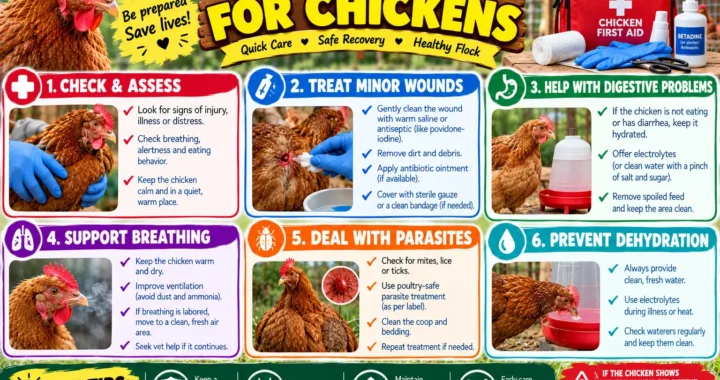
Never place new chickens directly with your existing flock, even if they look perfectly healthy. Respiratory illnesses, mites, lice, and internal parasites can travel silently for days before symptoms appear.
How Long to Quarantine New Chickens
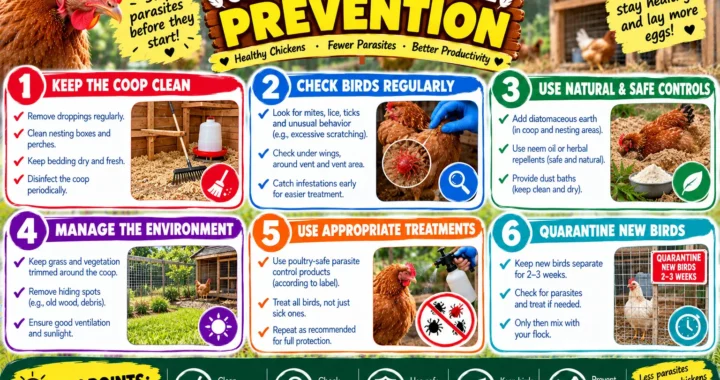
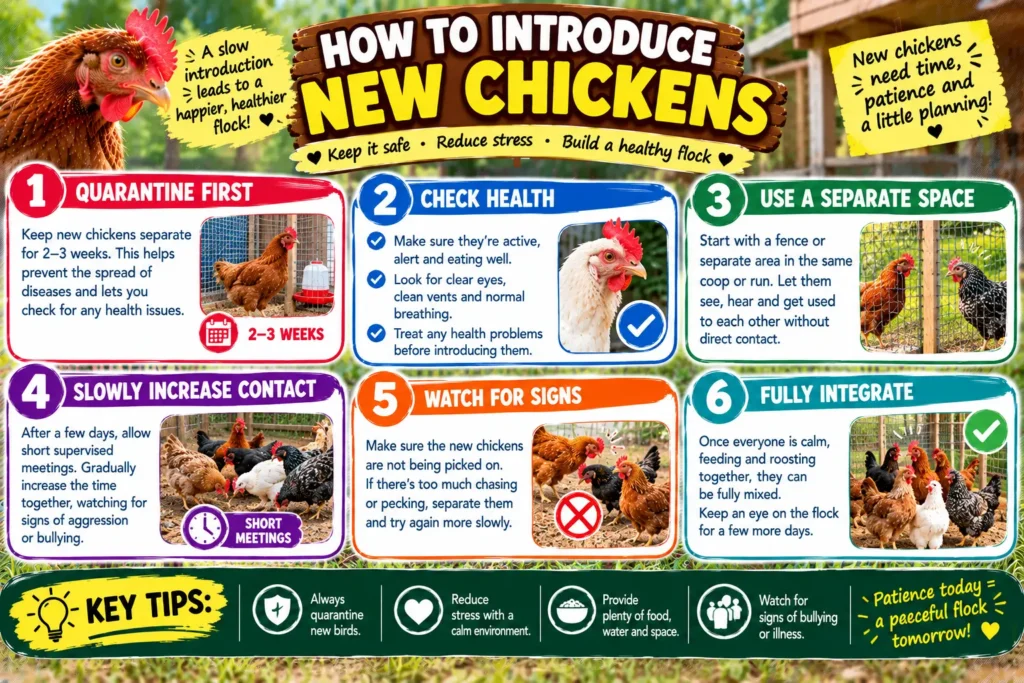
Keep new birds in a separate space, ideally out of sight and out of the same airflow path, for at least 30 days. During this time:
- Watch for coughing, sneezing, discharge from eyes or nostrils, and labored breathing.
- Check under wings and around the vent for mites or lice.
- Monitor droppings for signs of worms or coccidiosis.
- Feed and water the quarantined birds last each day, or use separate tools entirely, to avoid carrying anything back to your main flock.
The USDA’s biosecurity guidance for backyard flock owners recommends isolating any new or returning birds before mixing them with an existing flock, precisely because visible symptoms often lag behind actual infection.
Expert Tip: Use a dog crate, spare coop, or large wire dog kennel with its own feeder and waterer for quarantine. A cardboard box in the same coop does not count as separation.
Read More: https://lashegg.com/why-chickens-peck-each-other/
Step-by-Step: How to Introduce New Chickens to Your Flock
Once quarantine is complete and the new birds are healthy, the real introduction process begins. Each stage should take at least a few days, and it’s fine to slow down or repeat a stage if the birds seem stressed.
- Set up a “see but don’t touch” space. Place the new birds in a wire dog crate, a divided run, or a separate pen inside or beside the main run so both groups can see, hear, and smell each other without physical contact.
- Leave them side-by-side for 7 to 14 days. This lets the existing flock get used to the newcomers’ presence and reduces the shock of a first face-to-face meeting.
- Choose a low-stress time for the first meeting. Late afternoon or early evening works well, since chickens are calmer as daylight fades and are heading toward roosting behavior rather than active foraging and territory patrol.
- Supervise the first meeting in neutral territory. Free-ranging in a yard the new birds haven’t claimed, or a fresh run space, reduces territorial aggression compared to putting newcomers straight into the old flock’s home turf.
- Add extra feeders, waterers, and roosting space. Multiple food and water stations in different spots stop dominant birds from guarding a single resource and let smaller or newer birds eat without confrontation.
- Watch closely for the first hour, then check in regularly for several days. Some pecking and chasing is normal as rank gets established; blood, pinned birds unable to escape, or nonstop chasing is not.
- Move to nighttime coop introduction once daytime meetings go well. After dark, place the new birds directly onto the roost bars while the flock is already asleep. Chickens are far less reactive at night, and by morning the group often treats the newcomers as if they were always there.
- Continue supervising for another one to two weeks. Integration isn’t finished after one good night. Keep checking morning and evening until the group settles into a stable rhythm.
How to Introduce New Chickens by Age and Size
Introducing chicks to an adult flock. Chicks under about 8 weeks old should not be placed with adult hens at all; adults can injure or kill small chicks. Wait until pullets are close in size to the smallest adult hen, generally around 12 to 16 weeks, before starting introductions.
Adding hens of similar size and age. This is the easiest scenario. Follow the standard timeline above with confidence, since size mismatches won’t add extra risk.
Introducing a single new bird. A lone newcomer faces more concentrated aggression than a pair or trio, since the whole flock’s attention lands on one bird. When possible, introduce new chickens in groups of two or more rather than one at a time.
Comparison Table: Introduction Methods and When to Use Them
| Method | Best For | Typical Timeline | Risk Level |
| Fenceline / see-don’t-touch | Any new flock addition | 1–2 weeks before contact | Low |
| Daytime supervised free-range | Similar-sized adult birds | 3–7 days of meetings | Medium |
| Nighttime roost introduction | Following daytime meetings | 1 night, then monitor | Low |
| Direct mixing (no separation) | Not recommended | Immediate | High |
Signs Introducing Chickens to Your Flock Is Going Well
- Occasional pecking that stops once the pecked bird moves away.
- New birds eating and drinking within a day or two, even if a little hesitantly.
- The flock roosting near, though not necessarily touching, the newcomers within the first week.
- Chasing that ends quickly and doesn’t repeat constantly throughout the day.
Warning Signs: When Introducing New Chickens Has Gone Wrong
Warning: Separate the birds immediately if you see blood, a bird that cannot escape being cornered, repeated attacks on the same bird by multiple flock members (called gang-piling), or a bird hiding and refusing to eat or drink for more than a day.
If aggression is severe, go back a stage. Return to see-don’t-touch separation for another week or two before trying supervised meetings again. Some flocks need two or three attempts before integration sticks.
Common Mistakes When Introducing New Chickens
- Skipping quarantine to save time, which risks spreading illness through the whole flock.
- Introducing chickens to the flock’s home coop first, instead of neutral ground, which increases territorial defense.
- Only one feeder and waterer, letting dominant birds block access entirely.
- Giving up after the first rough hour, when some pecking-order testing is expected and usually settles.
- Adding just one new bird alone, which concentrates aggression onto a single target.
Did You Know?
Chickens can recognize and remember the faces of over 100 other individual birds. This is part of why the see-don’t-touch phase works: the flock is genuinely learning who these newcomers are before deciding how to treat them.
When Introducing New Chickens Requires a Vet
When to Call a Vet: Most integration conflict is behavioral and resolves with time and management. Contact a poultry veterinarian if a bird shows open wounds that aren’t healing, signs of infection such as swelling or discharge, refuses to eat or drink for more than 24 hours, or shows respiratory symptoms during or after the quarantine period. The Merck Veterinary Manual notes that stress from social conflict can also lower a bird’s resistance to underlying illness, so a bird that seems “off” beyond simple pecking-order bruising is worth a professional check.
Frequently Asked Questions
How long does it take to introduce new chickens to a flock?
Full integration usually takes two to four weeks from the start of quarantine to the point where the group settles into a stable pecking order, though some flocks finish sooner and others take longer.
Can you introduce new chickens without any fighting?
Some pecking and chasing during pecking-order establishment is normal and expected even in a well-managed introduction. The goal of a careful process isn’t zero conflict, it’s preventing injury.
What is the fastest way to introduce new chickens?
There isn’t a truly fast safe method. Nighttime roost introduction after a period of fenceline separation is the quickest low-risk technique, but skipping the separation stage entirely raises the chance of serious injury.
Do you need to quarantine new chickens if they came from a trusted breeder?
Yes. Even birds from a clean, reputable source can carry parasites or pathogens without visible symptoms, so a 30-day quarantine is still recommended regardless of the source.
How do you introduce new chickens to an aggressive flock?
Extend the see-don’t-touch phase to two full weeks, always use neutral territory for first meetings, add extra feeding and roosting space, and consider adding two or more new birds together rather than one.
Final Thoughts
Successfully introducing chickens to flock life comes down to patience rather than any single trick. Quarantine protects flock health, gradual visual contact reduces shock, supervised meetings catch problems early, and nighttime roosting seals the deal. Watch your birds closely during every stage, and don’t hesitate to slow down or involve a vet if aggression turns into injury or illness.