Lash Egg vs Soft Shell Egg: How to Tell Them Apart

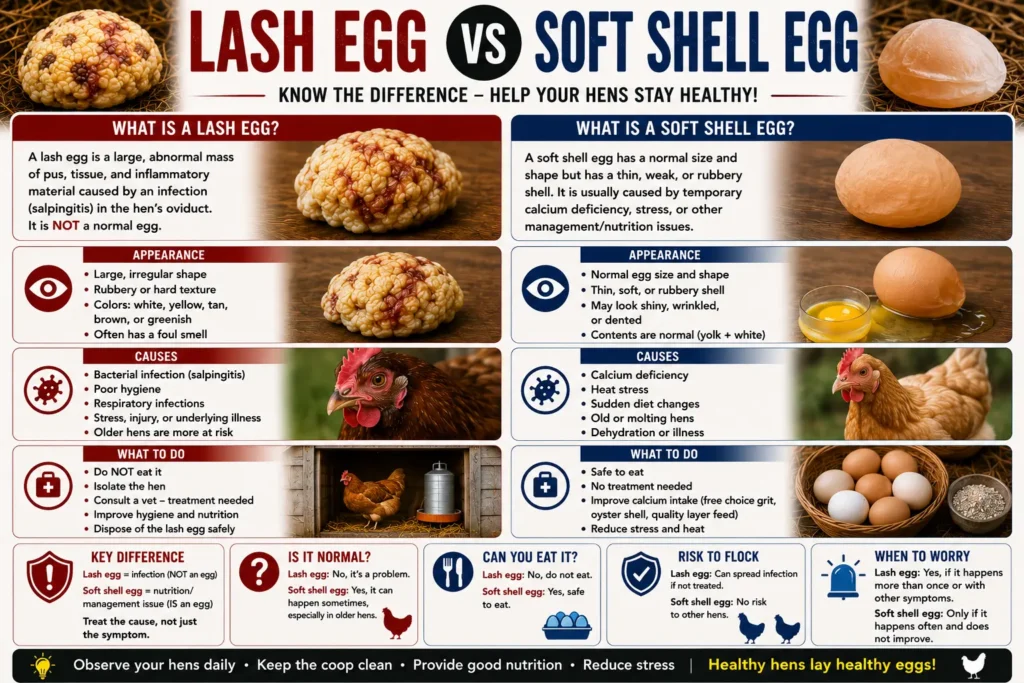
Reach into a nesting box and find something squishy where a hard shell should be, and the lash egg vs soft shell egg question comes up fast. Both can feel rubbery in your hand. Both can look “wrong” at first glance. But one is usually a minor, fixable issue, and the other is a sign of infection that needs veterinary attention.
A soft shell egg is a real egg that never fully calcified, often due to diet, age, or stress. A lash egg isn’t an egg at all — it’s a mass of infected tissue expelled from an inflamed oviduct. Telling them apart quickly helps you respond the right way.
Table of Contents
What Is a Soft Shell Egg?
A soft shell egg, sometimes called a shell-less or rubber egg, is a true egg that lacks a proper hard, calcified shell. Instead of a brittle exterior, it’s covered only by the thin shell membrane, which gives it a soft, stretchy feel.
Inside, a soft shell egg usually looks completely normal, with a regular yolk and white. The problem is limited to the shell-forming stage of the laying process, not the egg’s contents.
Read More: https://lashegg.com/lash-egg-vs-fairy-egg/
Why Do Hens Lay a Soft Shell Egg?
The shell gland in a hen’s oviduct needs enough time and enough calcium to build a full shell. When either one is short, the egg comes out soft. Common triggers include:
- Calcium deficiency, often tied to diet
- A hen just starting to lay, before her system is fully synced
- A hen nearing the end of her laying life, when her cycle becomes irregular
- Heat stress, which can shorten the shell-forming window
- Certain illnesses, including infectious bronchitis, which can affect shell quality
- A rushed laying cycle, sometimes from double-yolker stress on the shell gland
What Is a Lash Egg?
A lash egg looks similarly “off” from the outside, which is exactly why the lash egg vs soft shell egg comparison trips people up. But cut one open, and it’s clearly something different: layered, waxy, pus-like material instead of yolk and white.
Veterinary sources describe this material as caseous exudate, a cheese-like discharge the body produces to contain infection. According to the Merck Veterinary Manual, this is a classic sign of salpingitis, an infection or inflammation of the oviduct and one of the most common causes of reproductive illness in laying hens.
Why Lash Eggs Get Mistaken for Soft Shell Eggs
Both can feel soft or rubbery on the outside, and neither has a hard, brittle shell. That surface similarity is where the confusion starts. The difference shows up the moment you look inside or notice the smell.
Quick Answer: A soft shell egg is a real egg missing its hard shell, usually from diet, age, or stress. A lash egg is infected tissue and discharge from the oviduct, and it means the hen needs to see a vet.
Lash Egg vs Soft Shell Egg: Side-by-Side Comparison
| Feature | Soft Shell Egg | Lash Egg |
| What it actually is | A true egg with an underdeveloped shell | Infected tissue and discharge, not a real egg |
| Interior contents | Normal yolk and albumen | Layered, waxy or pus-like tissue |
| Texture | Soft, rubbery, but egg-like | Rubbery or firm, denser than a soft shell egg |
| Smell | Neutral, like a regular egg | Often foul or sulfur-like |
| Underlying cause | Calcium shortage, age, stress, or minor illness | Salpingitis (oviduct infection or inflammation) |
| One-time or recurring | Often a one-time or occasional event | May recur if infection isn’t treated |
| Vet visit needed? | Usually not, unless frequent | Yes, recommended |
| Safe to feed pets | Yes, cooked, in moderation, like a normal egg | No — should never be fed to pets |
Causes at a Glance
| Cause Category | Soft Shell Egg | Lash Egg |
| Nutrition | Calcium or vitamin D deficiency | Not a direct cause, though poor nutrition weakens immunity |
| Age | Very young or very old laying hens | Older hens more prone to chronic infection |
| Infection | Occasionally linked to respiratory illness | Directly caused by bacterial or viral infection |
| Stress | Heat stress, overcrowding | Chronic stress weakens immune defense, raising infection risk |
| Reproductive damage | Rare, usually temporary | Common, tied to ongoing oviduct inflammation |
Symptoms to Watch For
A hen laying a soft shell egg usually behaves completely normally otherwise. She eats, drinks, and moves around the coop as usual.
A hen that passes a lash egg often shows other signs too:
- Reduced or picky appetite
- A pale or droopy comb
- Lethargy or reluctance to move
- A swollen or firm abdomen
- A drop in overall egg production
- A foul smell near the vent
When to Call a Vet
Reach out to a poultry-experienced veterinarian if a hen lays a lash egg, especially alongside lethargy, appetite loss, or a swollen belly. Also call a vet if soft shell eggs become frequent rather than occasional, since that pattern can point to a nutritional gap or an underlying illness that’s worth ruling out.
How to Quickly Tell Which One You’re Holding
- Feel the surface. Both can feel soft, so this step alone won’t confirm anything.
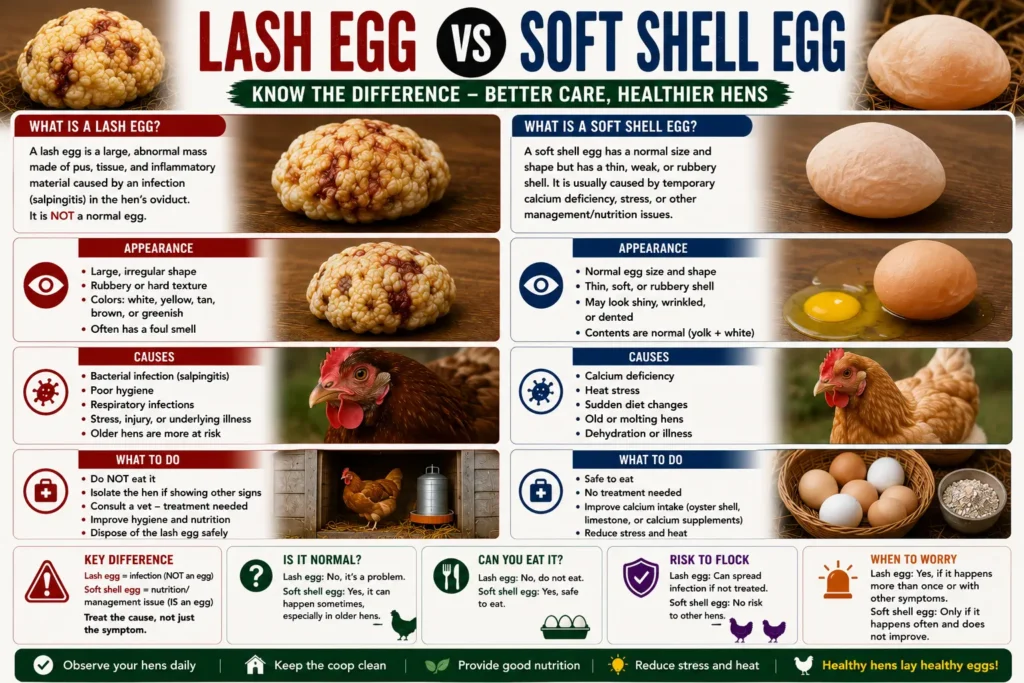
- Look for a membrane versus layered tissue. A soft shell egg has a thin, translucent membrane. A lash egg has solid, layered material inside.
- Cut it open (with gloves on). Yolk and white mean soft shell egg. Waxy, tissue-like rings mean lash egg.
- Smell it. A soft shell egg smells like a normal egg. A lash egg often has a strong, unpleasant odor.
- Watch the hen for a day or two for any of the symptoms listed above.
Expert Tip: If you’re ever unsure, take a photo before disposing of it and describe the texture and smell to a vet or an experienced poultry extension service. These small details help with an accurate read on what actually happened.
Common Mistakes Chicken Keepers Make
- Panicking over every soft shell egg. Most soft shell eggs are a one-time event and not a sign of disease.
- Assuming a lash egg will resolve on its own because the hen still seems active at first. Salpingitis is often internal and progresses quietly before outward symptoms appear.
- Feeding either type of unusual egg to pets without checking first. A soft shell egg is fine cooked, same as any normal egg. A lash egg should never be fed to a dog or cat.
- Not adjusting the flock’s calcium intake after repeated soft shell eggs, which can lead to ongoing shell-quality problems.
Did You Know?
A hen can lay a perfectly normal, hard-shelled egg the very next day after a soft shell egg, since the shell gland usually recovers quickly once calcium levels or stress levels return to normal. A lash egg doesn’t work that way — it’s a sign of internal infection that typically needs treatment before things improve.
Can You Eat a Soft Shell Egg or a Lash Egg?
A soft shell egg is a real egg and is safe to cook and eat, the same as any other egg from your flock, once you rinse off any debris from the coop floor.
A lash egg is not food, for people or pets. It’s expelled infectious material, and eating it risks exposure to whatever bacteria or virus caused the underlying infection.
Warning: Never feed a lash egg to a dog, cat, or any other animal, even cooked. The material’s origin as an infection byproduct makes it unsafe regardless of preparation.
Recovery and Outlook
| Scenario | Typical Outlook |
| Occasional soft shell egg | Usually resolves on its own; check diet if it repeats |
| Frequent soft shell eggs | Often improves with added calcium and reduced stress; vet check if it continues |
| Single lash egg, hen otherwise active | Vet exam recommended; good chance of improvement if caught early |
| Repeated lash eggs or visible illness | Suggests chronic salpingitis; needs ongoing veterinary management |
A vet can run diagnostics on a hen producing lash eggs and, depending on findings, may recommend antibiotics or supportive care. There’s no proven home remedy for salpingitis, so professional evaluation is the right step rather than waiting it out. Soft shell eggs, by contrast, often respond well to dietary adjustments like added calcium or free-choice oyster shell.
Preventing Both Issues in Your Flock
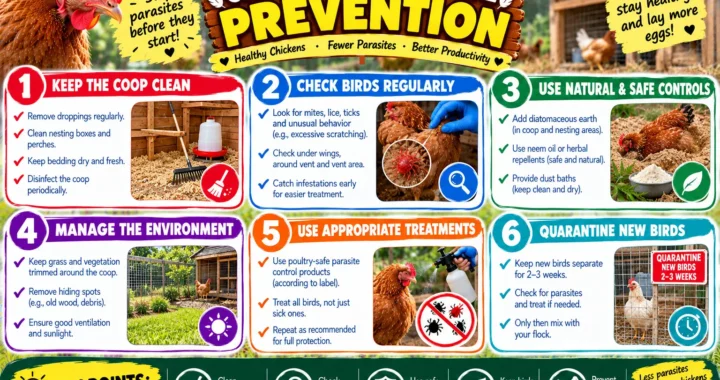
- Offer free-choice calcium, such as crushed oyster shell, alongside a complete layer feed
- Reduce heat stress with shade, ventilation, and cool water during hot months
- Keep the flock’s routine consistent to minimize overall stress
- Ask your vet about infectious bronchitis vaccination if it’s a known regional risk
- Inspect nesting boxes daily to catch anything unusual right away
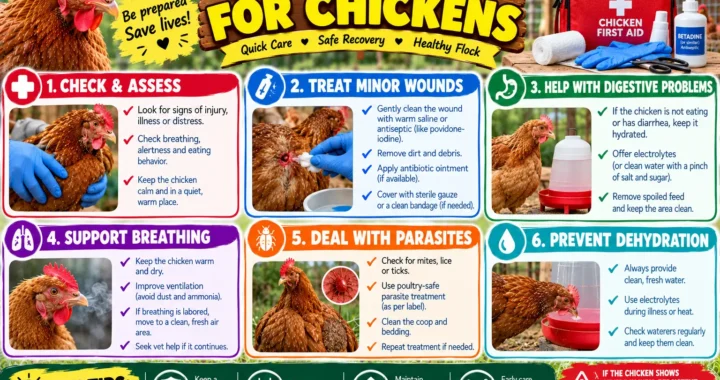
- Separate any hen showing symptoms of illness until a vet can weigh in
- Track patterns, including which hens lay soft shell eggs and how often, so you can spot a nutritional gap early
Frequently Asked Questions
What’s the main difference between a lash egg vs soft shell egg? A soft shell egg is a true egg missing its hard shell, usually from calcium shortage, age, or stress. A lash egg is infected tissue and discharge from the oviduct, and it signals a hen needs veterinary care.
Can a hen lay a soft shell egg and a lash egg at the same time? It’s uncommon but not impossible, especially if an underlying illness like infectious bronchitis is affecting both shell quality and reproductive tract health at once.
Is a soft shell egg safe to eat? Yes. A soft shell egg is a real egg with normal contents and is safe to cook and eat, the same as a regular egg.
Do soft shell eggs mean my hen is sick? Not usually. Occasional soft shell eggs are common, especially in young or aging hens, and typically aren’t a sign of illness on their own. Frequent soft shell eggs are worth mentioning to a vet.
How do I know if it’s a lash egg and not just a deformed soft shell egg? Cut it open. A deformed soft shell egg still has recognizable yolk and white inside. A lash egg contains layered, waxy tissue instead, often with a strong odor.
What should I do with a lash egg once I find one? Dispose of it away from pets and other animals, and consider showing a photo or description to a vet, especially if the hen shows any other symptoms.
Can diet alone fix repeated soft shell eggs? In many cases, yes. Adding free-choice calcium and reducing stress resolves frequent soft shell eggs. If they continue despite dietary changes, a vet visit helps rule out an underlying illness.
Final Thoughts
Once you know how to spot the lash egg vs soft shell egg difference, that squishy surprise in the nesting box stops being a guessing game. A soft shell egg is a common, usually harmless hiccup tied to diet, age, or stress. A lash egg is your hen’s body signaling an internal infection that needs professional attention. Keep an eye on your flock’s behavior, note anything unusual, and call a vet whenever a lash egg shows up or soft shell eggs turn into a frequent pattern. That habit alone catches most reproductive issues early, when they’re easiest to manage.