Calcium Deficiency and Salpingitis: How Are They Connected?

If your hens are laying thin-shelled eggs and one of them suddenly stops laying altogether with a swollen belly, calcium deficiency and salpingitis are worth looking at together, not separately. They aren’t the same condition, but poor calcium levels can set the stage for the infection that causes salpingitis.
Salpingitis is inflammation or infection of the oviduct, the tube where eggs are formed and shelled. Calcium deficiency doesn’t cause this infection directly. Instead, it weakens shell quality and oviduct muscle function, which makes the reproductive tract more vulnerable to the bacteria that do cause it.
Quick Answer: Calcium deficiency doesn’t directly cause salpingitis, but it weakens eggshell formation and oviduct contractions, creating conditions where bacterial infection is more likely to take hold and cause salpingitis.
This guide breaks down exactly how calcium deficiency and salpingitis interact, what poor nutrition looks like in a flock, and what you can do about it — backed by veterinary poultry science, not guesswork.
Table of Contents
What Is Salpingitis, and Why Does Nutrition Matter?
Salpingitis is inflammation of the oviduct, most often triggered by bacteria such as E. coli that travel up from the cloaca or spread from the intestinal tract. The oviduct is a long, muscular tube, and it depends on strong contractions and healthy tissue to move each egg through properly.
When a hen doesn’t get enough calcium, several things go wrong at once. Shell quality drops. Oviduct muscle contractions weaken. Eggs may move more slowly through the tract, giving bacteria more opportunity to travel upward and establish an infection.
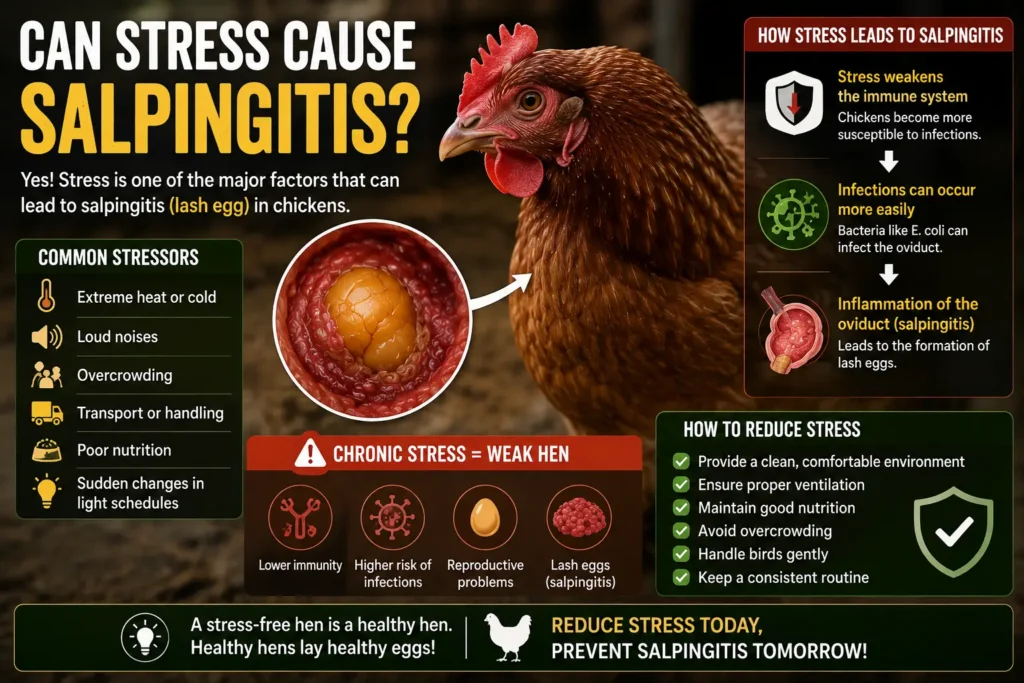
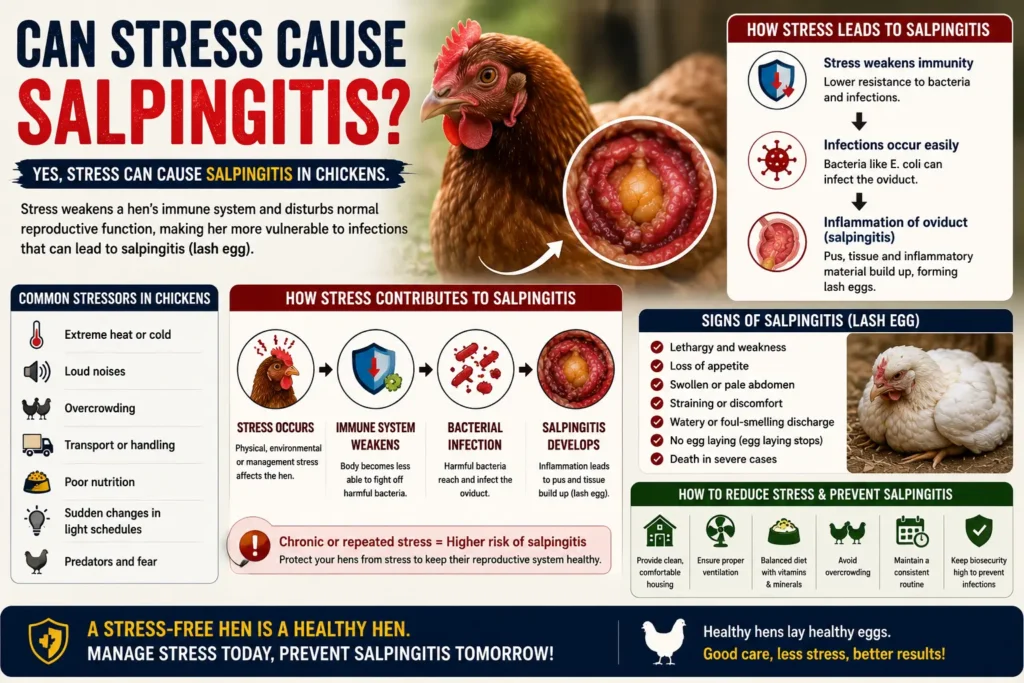
Read More: https://lashegg.com/can-stress-cause-salpingitis-laying-hens/
How Calcium Deficiency Sets the Stage for Infection
- Weak shell gland function. The shell gland (uterus) needs high calcium availability to form a strong shell. Without it, eggs may be thin-shelled, soft-shelled, or shell-less.
- Slower oviduct transit time. Poor muscle tone from calcium shortfall can delay how quickly an egg moves through the tract, extending the window for bacterial contamination.
- Increased risk of egg breakage inside the tract. A soft or fragile shell is more likely to crack internally, which can introduce bacteria directly into oviduct tissue.
- Skeletal calcium withdrawal. When dietary calcium is too low, a hen’s body pulls calcium from her bones to keep laying, weakening her overall condition and immune resilience over time.
Expert Tip: Calcium deficiency and salpingitis are often found together in flocks eating scratch grains, table scraps, or unbalanced homemade diets instead of a complete layer feed.
Poor Nutrition and Vitamin Deficiency: The Bigger Picture
Calcium rarely works alone. Poor nutrition as a whole — including vitamin deficiency — plays a supporting role in reproductive tract health.
Key Nutrients Linked to Oviduct Health
| Nutrient | Role in Reproductive Health | Deficiency Signs |
| Calcium | Shell formation, oviduct muscle tone | Soft-shelled eggs, brittle bones |
| Vitamin D3 | Calcium absorption from gut | Poor shell quality even with adequate calcium intake |
| Vitamin A | Maintains healthy oviduct lining | Reduced resistance to ascending infection |
| Vitamin E | Immune support, tissue repair | Slower recovery from minor oviduct irritation |
| Protein | Oviduct tissue maintenance | Reduced egg size, slower tissue repair |
| Phosphorus | Works alongside calcium for bone and shell strength | Weak shells despite calcium supplementation |
Vitamin D3 deserves special attention because calcium cannot be absorbed properly without it. A hen can technically eat enough calcium and still show signs of deficiency if her vitamin D3 levels are too low, especially in birds with limited sun exposure.
Did You Know?
A hen puts more calcium into a single eggshell than exists in her entire skeleton at any given moment. Because of this, laying hens need a near-constant calcium supply, and even short gaps in a balanced diet can affect shell strength within days.
Signs of Calcium Deficiency in Laying Hens
- Thin, soft, or shell-less eggs
- Reduced egg production
- Weak or brittle bones, sometimes leading to leg problems
- Lethargy and reduced activity
- Rubbery or wrinkled shells
- Increased susceptibility to reproductive tract infection over time
Signs That May Point Toward Salpingitis
- Swollen, fluid-filled abdomen
- Upright “penguin” stance
- Sudden drop or stop in egg laying
- Foul-smelling vent discharge
- Pale comb and lethargy
- Straining without producing an egg
Calcium Deficiency vs. Salpingitis: How to Tell Them Apart
| Feature | Calcium Deficiency Alone | Salpingitis |
| Egg shell quality | Thin, soft, or missing | May be normal until late stages |
| Onset | Gradual, tied to diet | Can be gradual or sudden |
| Abdominal swelling | Rare unless severe | Common in moderate to advanced cases |
| Discharge | None | Often present, foul-smelling |
| Response to calcium supplementation | Improves within days | No improvement; needs antibiotics |
| Underlying cause | Nutritional | Bacterial infection |
When to Call a Vet
When to Call a Vet: If a hen shows abdominal swelling, stops laying suddenly, or has foul-smelling discharge, contact a poultry veterinarian right away. Calcium supplementation alone will not resolve salpingitis, and delaying antibiotic treatment allows the infection to progress.
Simple calcium deficiency often improves with dietary correction at home. Salpingitis does not. If a hen isn’t improving within a few days of proper calcium and vitamin D3 supplementation, or if she shows any signs of infection, veterinary evaluation is necessary.
How Vets Diagnose the Underlying Problem
- Diet history review. The vet asks about feed type, supplementation, and access to sunlight or vitamin D3 sources.
- Physical examination. Checking bone density, shell gland function, and abdominal condition.
- Blood calcium testing. This can confirm whether deficiency is present and how severe it is.
- Ultrasound or palpation. Used to detect fluid buildup or masses consistent with salpingitis.
- Radiographs. Helpful for identifying bone density loss or retained eggs.
Treatment: Correcting Deficiency vs. Treating Infection
For Calcium Deficiency
- Switch to a complete layer feed with 3.5–4% calcium content
- Offer free-choice oyster shell or crushed eggshell alongside feed
- Ensure adequate vitamin D3, either through diet or safe sun exposure
- Reduce reliance on scratch grains and treats, which dilute overall nutrient intake
For Salpingitis (Requires Veterinary Care)
- Veterinarian-prescribed antibiotics based on culture and sensitivity results
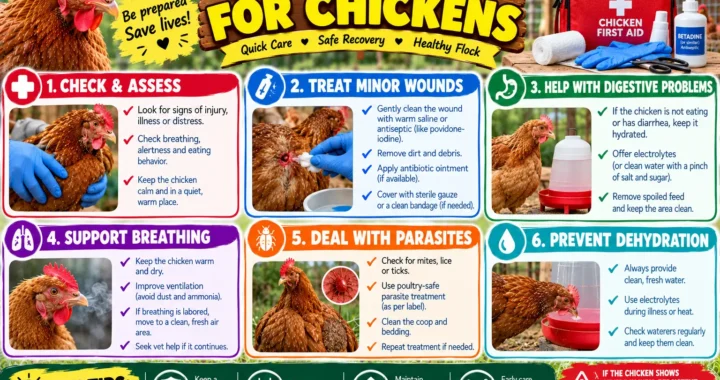
- Supportive care including hydration and a low-stress environment
- In advanced cases, surgical removal of infected material or the oviduct
- Ongoing monitoring for related complications like egg yolk peritonitis
Home Care vs. Veterinary Treatment
| Aspect | What You Can Manage at Home | What Needs a Vet |
| Diet correction | Switching to complete layer feed | N/A |
| Calcium supplementation | Oyster shell, D3-fortified feed | N/A |
| Monitoring | Egg quality, behavior, appetite | Diagnostic imaging, bloodwork |
| Infection treatment | Not possible safely at home | Prescription antibiotics, surgery |
Warning: Do not attempt to treat suspected salpingitis with calcium supplements alone. This delays proper treatment and allows a bacterial infection to worsen.
Common Mistakes Flock Owners Make
- Assuming a calcium boost will fix any laying problem, including infection-based ones like salpingitis.
- Feeding too many treats and scratch grains, which dilutes the nutritional balance of a complete layer feed.
- Overlooking vitamin D3, since calcium absorption depends on it just as much as calcium intake itself.
- Waiting too long to seek veterinary care when a hen shows abdominal swelling alongside poor shell quality.
- Free-feeding oyster shell mixed directly into feed instead of offering it separately, which can lead to inconsistent intake across the flock.
Preventing Calcium Deficiency and Reducing Salpingitis Risk
Nutritional Strategies
- Feed a complete, age-appropriate layer ration as the base diet.
- Offer free-choice oyster shell or limestone grit in a separate container.
- Limit treats and scratch grains to no more than 10% of total daily intake.
- Ensure consistent access to vitamin D3, either through fortified feed or safe natural light.
Supporting Overall Reproductive Health
- Maintain clean nest boxes to reduce ascending bacterial exposure.
- Reduce environmental and social stress, since stress hormones can compound nutritional weaknesses.
- Monitor shell quality weekly as an early warning system for developing deficiencies.
- Introduce dietary changes gradually to avoid digestive upset.
For Flocks With a History of Reproductive Issues
- Consider more frequent veterinary checkups for older, high-production hens.
- Track laying patterns and shell quality over time to catch early changes.
- Discuss preventive nutritional plans with a poultry-experienced veterinarian, especially for commercial hybrid breeds prone to overproduction.
Recovery Outlook
| Condition | Typical Recovery | Notes |
| Mild calcium deficiency | Days to 1–2 weeks | Resolves quickly with diet correction |
| Chronic calcium deficiency | Several weeks | May involve temporary reduced laying to recover bone density |
| Early-stage salpingitis | 1–3 weeks with antibiotics | Requires veterinary diagnosis and treatment |
| Advanced salpingitis | Weeks to months, guarded outlook | May involve surgery; some hens lay less afterward |
Frequently Asked Questions (People Also Ask)
Does calcium deficiency cause salpingitis directly? No. Calcium deficiency and salpingitis are linked indirectly. Poor calcium levels weaken shell quality and oviduct function, making bacterial infection more likely, but the direct cause of salpingitis is bacterial, not nutritional.
How much calcium does a laying hen need daily? Most laying hens need feed containing roughly 3.5–4% calcium, along with free-choice oyster shell available separately for extra as-needed intake.
Can vitamin deficiency alone cause reproductive problems in hens? Vitamin deficiency, especially low vitamin D3 or vitamin A, can weaken shell formation and oviduct tissue health, indirectly increasing vulnerability to infections like salpingitis.
What are the first signs of poor nutrition in laying hens? Early signs include thin or soft-shelled eggs, reduced egg size, slower growth in young birds, and gradual declines in activity or feather quality.
Can I fix salpingitis by improving my hen’s diet? Diet correction supports overall health but cannot resolve an existing bacterial infection. Salpingitis requires veterinary diagnosis and antibiotic treatment.
Is oyster shell enough to prevent calcium deficiency? Oyster shell helps but works best alongside a complete layer feed and adequate vitamin D3, since calcium absorption depends on more than intake alone.
5. FAQ Section (Expanded)
Why do older hens seem more prone to calcium deficiency and salpingitis together?
Older hens have laid many more eggs over their lifetime, which places cumulative strain on calcium reserves and oviduct tissue, increasing vulnerability to both problems as they age.
Can a poor diet make an existing salpingitis case worse?
Yes. Poor nutrition weakens immune function and tissue repair, which can slow recovery and make an existing infection harder for the body to fight off.
Do all breeds need the same calcium levels?
High-production hybrid layers generally need consistent, high calcium intake due to frequent laying, while lower-production heritage breeds may have slightly lower baseline needs, though a complete layer feed works well for most backyard flocks.
Is soft-shelled egg always a sign of calcium deficiency?
Not always. Occasional soft-shelled eggs can happen with young hens still regulating their cycle, but frequent soft shells usually point to a calcium or vitamin D3 issue worth addressing.