
What Is a Fairy Egg? The Tiny Surprise in Your Nest Box

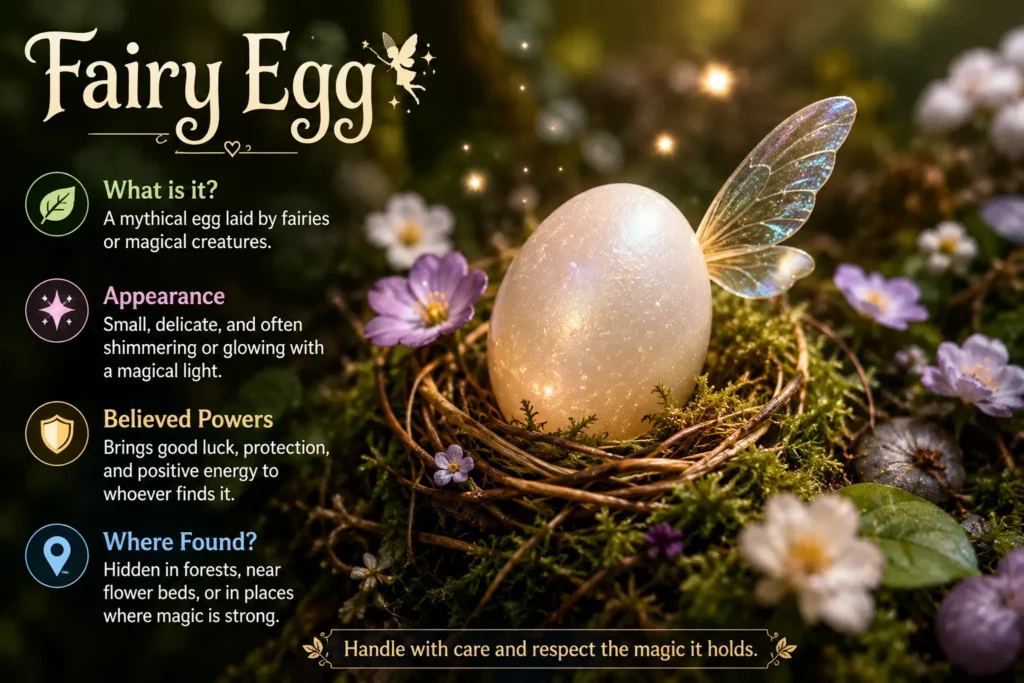
You reach into the nest box expecting a normal egg and find something the size of a grape. That tiny surprise is called a fairy egg, and it’s one of the more charming oddities of keeping backyard chickens. It’s also completely different from the alarming lash egg some owners come across, even though both look unusual at first glance.
A fairy egg is a small, often yolkless egg that forms when a bit of tissue or foreign material triggers a hen’s reproductive tract to wrap it in albumen and shell, as if it were a normal egg. Most of the time, it’s a one-off event and nothing to worry about. This guide covers what causes it, whether it’s safe to eat, and the rare cases where it’s worth watching more closely.
Quick Answer: A fairy egg is a tiny, usually yolkless egg caused by a small piece of tissue or irritation triggering the shell gland to form a mini egg around it. It’s generally harmless, especially if it happens once. Frequent fairy eggs from the same hen are worth monitoring, though rarely a true emergency.
Table of Contents
Fairy Egg, Fart Egg, or Wind Egg: Same Thing, Different Names
If you’ve searched around, you’ve probably seen this phenomenon called a fart egg or a wind egg. All three terms describe the same thing — a small, often yolkless egg — just with different folk-origin names.
- Fairy egg is the most common modern term, popular in backyard chicken communities.
- Fart egg is an older, informal nickname based on the mistaken idea that the egg formed around trapped gas.
- Wind egg is a term with roots going back centuries, also based on the outdated belief that these eggs formed from “wind” rather than a normal yolk.
None of the folk names are anatomically accurate, but they’ve stuck around because the eggs themselves are so unusual-looking.
Read More: https://lashegg.com/salpingitis-frequently-asked-questions/
H3: What a Fairy Egg Looks Like
A fairy egg is typically:
- Much smaller than a normal egg, sometimes not much bigger than a marble or grape
- Fully formed with a hard shell, just like a regular egg
- Often yolkless inside, though a small yolk fragment is sometimes present
- Occasionally slightly misshapen or elongated compared to a standard egg
| Feature | Fairy Egg | Normal Egg |
| Size | Very small, often 1 inch or less | Standard hen egg size |
| Yolk present | Usually absent, sometimes a small fragment | Yes, full yolk |
| Shell | Fully formed | Fully formed |
| Frequency | Occasional, sometimes a one-time event | Regular laying pattern |
| Cause | Tissue fragment or gland irritation | Normal reproductive cycle |
What Causes a Fairy Egg to Form?
The leading explanation is that a small piece of tissue — sometimes shed from the reproductive tract lining — enters the oviduct and gets treated by the hen’s body the same way a yolk would. The shell gland wraps it in albumen and a shell, producing a miniature egg with little or no yolk inside.
This tends to happen more often in two situations:
- Young pullets just starting to lay, whose reproductive systems are still calibrating a consistent rhythm
- Older hens near the end of their laying years, whose reproductive tract function is becoming less regular
Because both situations involve the reproductive system adjusting, a single fairy egg from either group is usually just a sign of a system still finding its normal pace, not a red flag on its own.
Did You Know? According to sources referencing the Merck Veterinary Manual, irregular ovulation and reproductive tract variability are common and expected at both ends of a hen’s laying life, which lines up with when fairy eggs are most often reported.
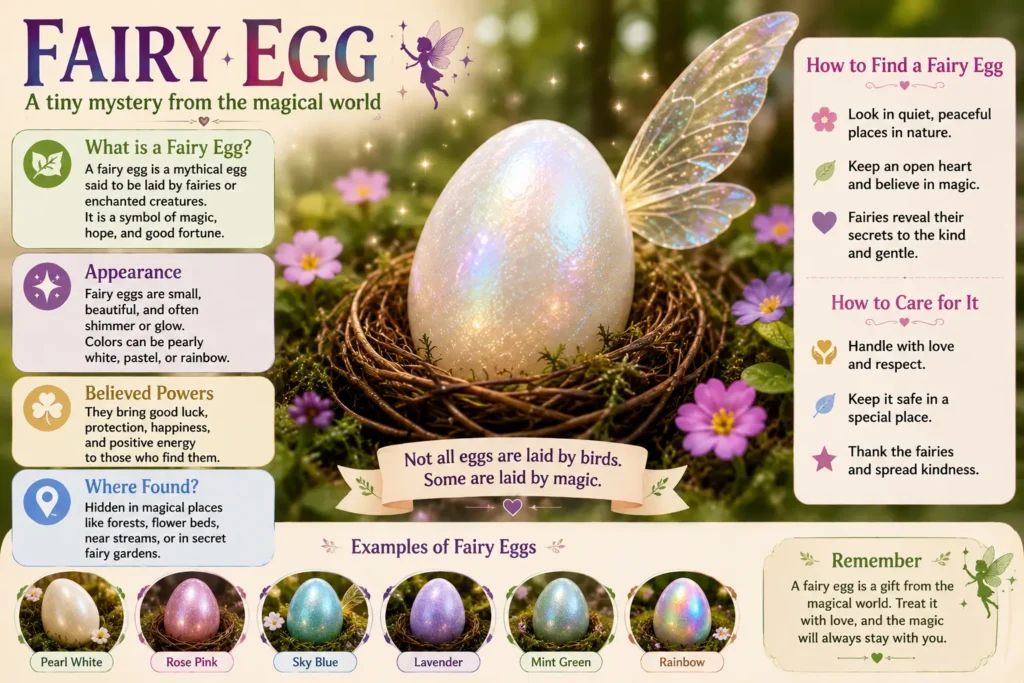
Is a Fairy Egg Safe to Eat?
Yes. A fairy egg is safe to eat in the same way any fresh egg from a healthy hen is safe to eat. Because it’s small and often yolkless, there’s simply less inside — usually just a bit of egg white, or occasionally a tiny yolk fragment.
Some owners like to save fairy eggs as a novelty rather than cook them, since they’re such an unusual find. Either choice is fine as long as the hen that laid it is otherwise healthy and the egg was collected and stored the way you’d handle any fresh egg.
H3: When a Fairy Egg Isn’t Just a Novelty
A single fairy egg from an otherwise healthy, normally laying hen is rarely a concern. But the picture changes if:
- The same hen lays fairy eggs repeatedly over several weeks
- Fairy eggs appear alongside reduced normal egg production
- The hen shows other symptoms like lethargy, abdominal swelling, or appetite loss
Warning: Repeated fairy eggs paired with other symptoms can sometimes point to reproductive tract irregularities, including early signs of oviduct issues. This pattern is worth a veterinary conversation rather than ongoing observation alone.
Fairy Egg vs. Other Unusual Eggs
Backyard flocks produce all kinds of odd eggs, and it helps to know which unusual finds are harmless quirks and which ones deserve more attention.
| Egg Type | What It Is | Cause | Concerning? |
| Fairy egg | Tiny, often yolkless egg | Tissue fragment triggering shell formation | Rarely, unless frequent or paired with symptoms |
| Double-yolk egg | Egg with two yolks | Two yolks released close together | No, generally harmless |
| Soft-shell egg | Egg with a thin or missing shell | Calcium deficiency, stress, or young/old reproductive tract | Sometimes, if frequent |
| Lash egg | Firm mass of pus, tissue, and egg material | Salpingitis (oviduct infection) | Yes, always worth veterinary evaluation |
| Wrinkled or misshapen egg | Egg with irregular shell texture | Stress, heat, or minor tract irregularities | Rarely, unless persistent |
This comparison matters because a fairy egg is sometimes confused with the far more serious lash egg simply because both look “different” from a normal egg. They are not the same thing, and telling them apart matters for how seriously to treat the finding.
Why Do Some Hens Lay Fairy Eggs More Than Others?
Some hens seem to produce an occasional fairy egg throughout their laying life without any pattern to it, while others never do. Individual variation in reproductive tract function likely explains most of this, the same way some hens are simply more prone to double yolks or soft shells than others.
Breed doesn’t appear to play a strong documented role, though hens with any history of reproductive irregularities may be somewhat more prone to unusual eggs generally, fairy eggs included.
People Also Ask
Can a fairy egg hatch? No. Because a fairy egg typically has no yolk, there’s no embryo present, and it cannot hatch regardless of incubation.
Do fairy eggs mean my hen is sick? Not usually. A single fairy egg from a hen that’s otherwise eating, drinking, and behaving normally is generally not a sign of illness. Repeated fairy eggs combined with other symptoms are the pattern worth watching.
Are fairy eggs more common in certain seasons? There isn’t strong documented evidence tying fairy eggs to a specific season, though hens starting or ending their laying cycle — which can correlate with age more than season — show them more often.
What should I do if I find a fairy egg? Nothing urgent. Note which hen likely laid it if you can tell, and keep an eye out for whether it happens again or comes with other changes in behavior or laying pattern.
Is a fairy egg the same as an egg with no yolk? Essentially yes — most fairy eggs are yolkless by definition, though a very small egg with a tiny yolk fragment inside is sometimes still called a fairy egg informally.
When to Call a Vet
When to Call a Vet: A single fairy egg rarely needs a vet visit. Contact a veterinarian if a hen lays multiple fairy eggs over several weeks, shows reduced or stopped normal egg production alongside them, or displays lethargy, abdominal swelling, or appetite loss.
Common Mistakes Owners Make
Common Mistakes
- Confusing a fairy egg with a lash egg and either panicking unnecessarily or, worse, ignoring an actual lash egg
- Assuming any small egg automatically means something is wrong
- Not tracking which hen is producing them when it happens repeatedly
- Overlooking other symptoms because “it’s just a fairy egg” when a pattern is forming
Expert Tip on Tracking Unusual Eggs
Expert Tip: Keep a simple log of unusual eggs — date, approximate hen, and what the egg looked like. One fairy egg months apart from another is a non-issue. Several within a short window, especially from the same hen, is worth mentioning at a vet visit even if nothing else seems wrong.
Final Thoughts
A fairy egg is one of the more harmless oddities you’ll come across in a backyard flock, whether you know it by that name or by the older folk terms fart egg and wind egg. Most of the time, it’s a single quirky event tied to a young or aging hen’s reproductive system finding its rhythm, and it’s perfectly safe to eat if you’re curious.
Keep an eye on the bigger pattern rather than the single egg. If fairy eggs become frequent, or if they show up alongside other signs like lethargy or reduced laying, that combination is worth a veterinary opinion. Otherwise, consider it one of the small surprises that comes with keeping chickens.
FAQ
What exactly is a fairy egg? A fairy egg is a small, often yolkless egg that forms when a bit of tissue or foreign material triggers a hen’s shell gland to wrap it in albumen and shell, producing a miniature version of a normal egg.
Is a fairy egg the same as a fart egg or wind egg? Yes. Fart egg and wind egg are older, informal names for the same phenomenon now more commonly called a fairy egg. All three describe the same tiny, usually yolkless egg.
Can I eat a fairy egg? Yes, a fairy egg is safe to eat, just like any fresh egg from a healthy hen. It simply contains less inside due to its small size and usual lack of yolk.
Why did my young hen lay a fairy egg? Pullets just starting to lay often produce an occasional fairy egg while their reproductive system calibrates a consistent rhythm. This is common and usually not a concern.
Should I worry if my older hen keeps laying fairy eggs? An occasional fairy egg in an older hen is common as her laying cycle winds down. Frequent fairy eggs paired with other symptoms are worth discussing with a veterinarian.
Is a fairy egg dangerous to the hen that laid it? Generally no. Laying a fairy egg is usually not physically harmful to the hen, though any hen showing signs of straining or distress while laying should be monitored closely regardless of egg type.