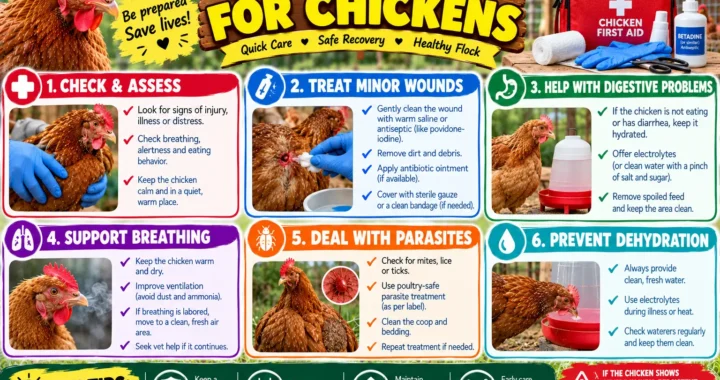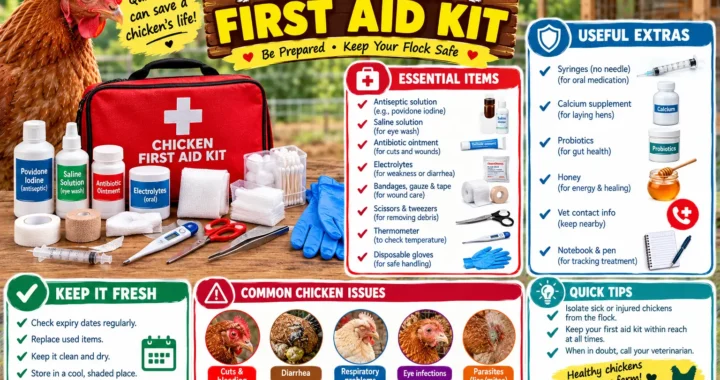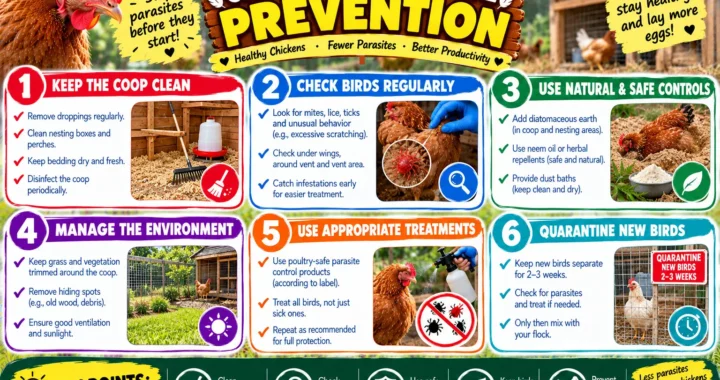
Salpingitis Frequently Asked Questions: What Every Chicken Owner Needs to Know

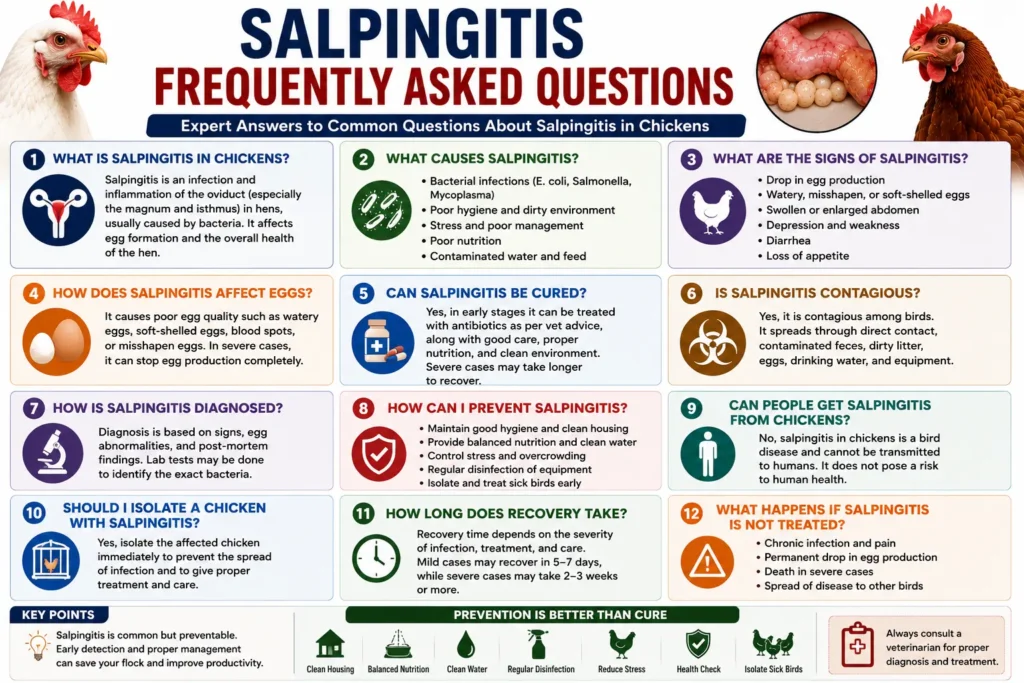
A hen stops laying, her belly feels swollen, and suddenly you’re up at midnight searching every version of the same worry. This collection of salpingitis frequently asked questions pulls together what owners actually search for — symptoms, causes, treatment, survival odds, and what to do next — into one clear reference.
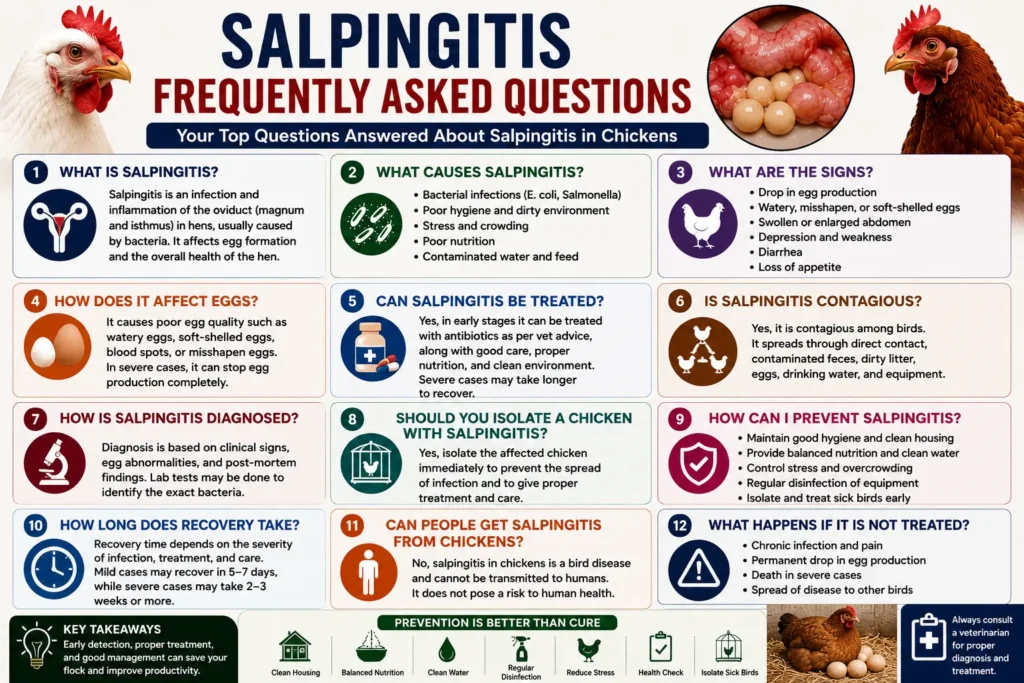
Salpingitis is inflammation or infection of the oviduct, the reproductive tube that forms and moves an egg through a hen’s body. It’s one of the leading causes of illness and death in laying hens, and the questions around it range from basic (“what does a lash egg look like”) to advanced (“what’s the actual prognosis after diagnosis”). This guide answers both.
Quick Answer: Salpingitis is a bacterial infection of the hen’s oviduct, most often caused by ascending E. coli. It causes reduced egg production, abdominal swelling, and sometimes a lash egg. Treatment ranges from supportive care to antibiotics to surgery, and outcomes depend heavily on how early it’s caught.
Table of Contents
What Is Salpingitis? The Basic Question First
Salpingitis is inflammation of the oviduct — the tube where a hen’s egg is formed, shelled, and moved toward the vent for laying. When bacteria enter this tract, usually traveling upward from the vent or cloaca, it triggers infection and inflammation that can build up pus, fluid, and solid material inside the tube.
This basic definition sits behind almost every other question owners ask, so it’s worth understanding before moving into symptoms, causes, and treatment.
Read More: https://lashegg.com/common-myths-about-salpingitis/
H3: Salpingitis Frequently Asked Questions About Basic Definitions
Is salpingitis the same as an egg infection? Not exactly. Salpingitis is infection of the oviduct itself, the structure that produces and moves eggs. An “egg infection” is a looser term people sometimes use for the same condition, but veterinary sources refer to it specifically as salpingitis or, in more advanced cases involving the abdominal cavity, egg yolk peritonitis.
Is salpingitis the same as egg binding? No. Egg binding is a physical blockage — an egg stuck in the reproductive tract. Salpingitis is an infection of the tract’s lining. The two can occur together, since inflammation can also disrupt normal egg passage, but they’re different conditions with different mechanisms.
Symptoms: The Most-Searched Questions
Recognizing symptoms early makes the biggest difference in outcome, which is why symptom-related questions dominate most salpingitis frequently asked questions lists.
What are the first signs of salpingitis in a hen? Early signs include reduced or irregular egg-laying, mild lethargy, and subtle abdominal fullness. These early signs are easy to miss because hens instinctively hide illness.
Does salpingitis always cause a lash egg? No. A lash egg — a firm mass of pus, tissue, and egg material — is a well-known sign, but many hens with salpingitis never pass one. Relying only on a visible lash egg means missing a large share of actual cases.
What does a swollen abdomen from salpingitis look like? Owners often describe it as a firm or fluid-filled belly, sometimes paired with a wide, upright stance nicknamed “penguin posture” because of how the hen holds her body to accommodate abdominal pressure.
Can a hen have salpingitis and still lay eggs normally? In early or mild cases, some hens continue laying with reduced frequency or occasional shell abnormalities. As the condition progresses, laying typically slows further or stops.
| Symptom | Common? | What It Suggests |
| Reduced or stopped laying | Very common | Oviduct dysfunction |
| Lash egg | Sometimes | Buildup of infected material |
| Abdominal swelling | Common in advanced cases | Fluid or mass accumulation |
| “Penguin” upright stance | Common in advanced cases | Abdominal discomfort or pressure |
| Lethargy, appetite loss | Common but nonspecific | General illness response |
| Pale comb and wattles | Sometimes | Poor circulation, advanced illness |
Warning: Abdominal swelling combined with a hunched or upright stance and stopped laying is a pattern that should prompt a veterinary visit, not a wait-and-watch approach.
Causes: Why Does This Happen?
What causes salpingitis in chickens? Veterinary sources point to bacterial infection, most often ascending E. coli, as the leading documented cause. Bacteria travel upward from the cloaca into the oviduct, especially when a hen’s natural defenses are already under stress.
Can stress cause salpingitis? Stress itself doesn’t directly cause bacterial infection, but it weakens a hen’s general immune resistance, which can make an existing bacterial exposure more likely to take hold. Overcrowding, poor sanitation, and heavy laying schedules all contribute to that stress load.
Are certain breeds more prone to salpingitis? High-production laying breeds, which lay eggs very frequently, show higher documented rates. Their reproductive tracts stay under more consistent workload, which appears to raise vulnerability over time.
Can a rooster cause salpingitis through mating? This is a common misconception. Salpingitis is caused by bacterial infection, not physical trauma from mating. Over-mating can cause separate issues like feather and skin damage, but it isn’t the documented mechanism behind oviduct infection.
Diagnosis: What Does the Process Look Like?
How is salpingitis diagnosed in a chicken? A veterinarian typically diagnoses it through physical exam and abdominal palpation, sometimes supported by radiographs or ultrasound to check for internal fluid or mass. Bloodwork can help assess the hen’s overall infection response.
Can I diagnose salpingitis myself at home? Not reliably. Symptoms overlap with other reproductive and general illnesses, including egg binding, ascites, and tumors. A proper diagnosis needs a hands-on exam and, often, imaging that isn’t available at home.
Do I need a poultry-specific vet, or will any vet do? An avian or poultry-experienced veterinarian is ideal, since chicken reproductive anatomy and normal values differ from small mammals. If one isn’t available locally, agricultural extension offices can often provide referrals.
| Diagnostic Method | What It Reveals |
| Physical exam | Body condition, posture, general health |
| Abdominal palpation | Presence of fluid or mass |
| Radiographs/ultrasound | Extent of internal involvement |
| Bloodwork | Infection markers, organ function |
| History review | Laying pattern, breed, past reproductive issues |
Treatment: What Actually Works?
Can salpingitis be treated? Yes, in many cases, especially when caught early. Treatment ranges from supportive care to antibiotics prescribed based on the suspected or confirmed bacteria involved, to surgical options in select advanced cases.
Is there a home remedy that cures salpingitis? No home remedy has documented evidence of resolving an active bacterial oviduct infection. Supportive home care — hydration, reduced stress, clean housing — can help a hen’s comfort, but it isn’t a substitute for veterinary diagnosis and treatment.
Do antibiotics always work for salpingitis? Not always, and effectiveness depends on how far the infection has progressed, which bacteria are involved, and how quickly treatment starts. A veterinarian can guide antibiotic choice and dosing appropriately.
Is surgery ever necessary? In select advanced cases, surgical removal of the affected oviduct or drainage of abdominal fluid may be considered. This decision depends on the individual hen’s condition and is made in consultation with a veterinarian.
- Mild or early cases: Supportive care, hydration, stress reduction, sometimes calcium support
- Confirmed bacterial infection: Veterinarian-prescribed antibiotics matched to the likely or confirmed organism
- Recurrent or hormone-driven cases: Hormonal management to reduce laying frequency and oviduct workload
- Advanced, localized cases: Surgical evaluation on an individual basis
- Poor prognosis cases: A humane discussion of quality of life and end-of-life options with your veterinarian
Expert Tip: Ask your veterinarian for a realistic, case-specific prognosis rather than relying on general survival statistics found online. Individual factors change the outlook significantly.
Prognosis and Survival: The Hardest Questions
Is salpingitis always fatal? No, though it’s a serious condition and a leading cause of death in laying hens when left untreated. Mild or early-stage cases caught and treated promptly have a better outlook than advanced cases involving abdominal fluid buildup.
How long can a hen live with untreated salpingitis? This varies widely and isn’t something that can be predicted reliably without an exam. Some hens decline over days; others show a slower decline over weeks. Untreated progression tends to worsen prognosis over time.
What is egg yolk peritonitis, and how does it relate to salpingitis? Egg yolk peritonitis happens when egg material or infection spreads into the abdominal cavity, often as a complication of advanced salpingitis. It’s generally considered a more serious stage with a more guarded prognosis.
Can a hen recover fully from salpingitis? Some hens, particularly those treated early, recover well and return to reasonable quality of life, though egg production may not fully return to previous levels. Full recovery is less likely in advanced or recurrent cases.
Prevention: Related Searches Worth Answering
Can salpingitis be prevented? No approach guarantees prevention, but several habits reduce documented risk factors:
- Keep nesting boxes and bedding clean and dry
- Feed a balanced diet appropriate to life stage and production level
- Avoid pushing pullets into very early, high-frequency laying where possible
- Monitor high-production breeds more closely as they age
- Address egg binding or reproductive irregularities early
- Reduce overcrowding and general flock stress
Does diet prevent salpingitis? Diet supports overall reproductive and immune health but doesn’t guarantee prevention of a bacterial infection on its own. It’s one part of a broader prevention approach, not a standalone fix.
Is salpingitis contagious to other hens? It’s not generally considered contagious in the way a respiratory illness spreads bird-to-bird. Multiple hens developing it around the same time usually reflects shared risk factors like overcrowding or poor sanitation, not direct transmission.
Did You Know? Sources referencing the Merck Veterinary Manual and MSD Veterinary Manual note that reproductive tract disorders, including salpingitis, rank among the most common causes of mortality in both commercial and backyard laying flocks.
When to Call a Vet
When to Call a Vet: Contact a veterinarian if a hen shows stopped or irregular laying combined with abdominal swelling, an upright “penguin” stance, ongoing lethargy, or passes a lash egg. Early evaluation gives the best chance at an accurate diagnosis and effective treatment.
Common Mistakes Owners Make
Common Mistakes
- Waiting for a visible lash egg before taking symptoms seriously
- Assuming home remedies alone will resolve a bacterial infection
- Confusing salpingitis with simple egg binding and treating it the wrong way
- Delaying a vet visit while trying multiple internet-sourced treatments first
- Not asking for a case-specific prognosis and relying on general online odds instead
Quick Reference: Salpingitis vs. Similar Conditions
| Condition | Main Cause | Key Difference From Salpingitis |
| Egg binding | Physical obstruction | Blockage, not infection |
| Salpingitis | Bacterial infection of oviduct | Inflammation/infection of the tract lining |
| Egg yolk peritonitis | Advanced complication of salpingitis | Infection has spread to the abdominal cavity |
| Ascites | Fluid buildup, often cardiac or hepatic | Not reproductive-tract specific |
| Ovarian tumor | Abnormal cell growth | Structural growth, not infection |
Final Thoughts
These salpingitis frequently asked questions cover the range owners actually search for, from basic definitions to survival odds, because the condition is genuinely confusing and the stakes are high. The short version: it’s a bacterial infection of the oviduct, it doesn’t always show the dramatic signs people expect, and outcomes depend heavily on how early it’s caught and treated.
Keep watching your flock for the fuller symptom picture, not just the single most talked-about sign. When something changes — laying stops, the abdomen swells, a hen seems off for more than a day — treat it as worth a veterinary opinion rather than a guessing game.