Common Chicken Diseases: Start With the Symptom

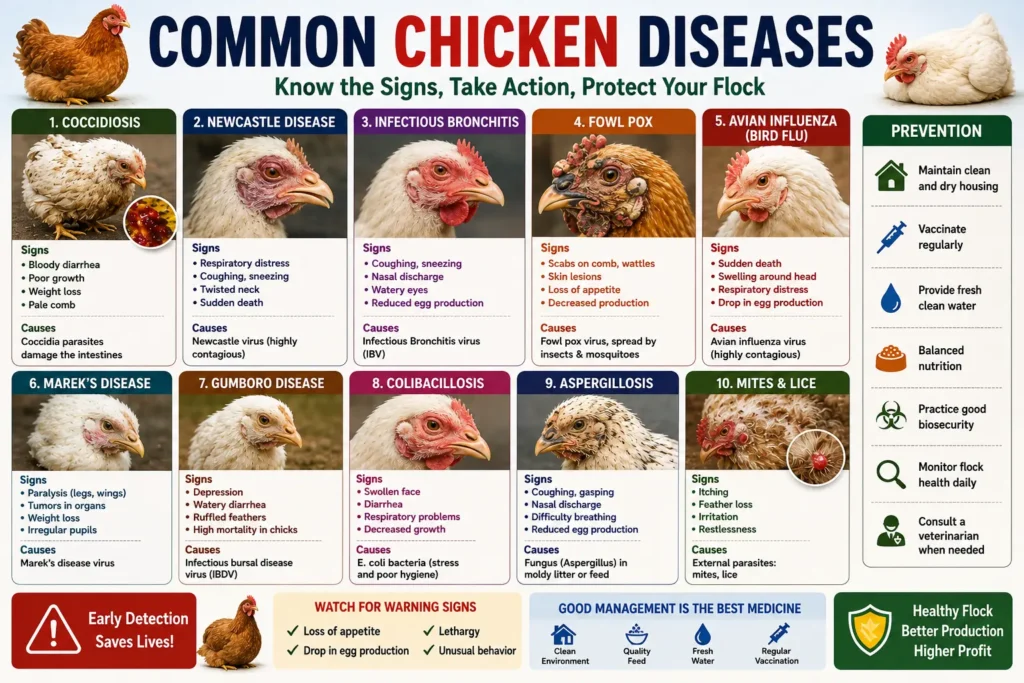
Most flock owners don’t open a disease list first. They notice something off — a cough, a limp, a strange dropping — and want to know what it means. This guide to common chicken diseases works the same way: symptom first, cause second.
Instead of grouping illnesses by pathogen type, each section below starts with what you’re actually seeing in the coop. That’s usually the fastest way to narrow down what’s going on and decide how urgent it is.
Table of Contents
Quick Answer: Common chicken diseases usually show up through one of five symptom patterns: respiratory signs, digestive upset, skin and feather changes, neurological signs, or reproductive problems. Matching the symptom to the pattern is the fastest way to know what you’re dealing with.
Use the sections below to find your symptom, then check the linked cause for more detail on what to do next.
Respiratory Symptoms: Coughing, Sneezing, and Wheezing
Respiratory issues are some of the most common chicken diseases flock owners encounter, especially in flocks with poor ventilation or overcrowding.
What You Might See
- Coughing, sneezing, or gasping
- Nasal or eye discharge
- Swelling around the face or wattles
- Rattling or clicking sounds while breathing
Likely Causes
Infectious bronchitis is a fast-spreading viral cause of coughing and sneezing, often paired with a drop in egg production and poor shell quality. According to the Merck Veterinary Manual, it moves through a flock quickly once introduced.
Mycoplasma gallisepticum (chronic respiratory disease) causes similar symptoms but tends to linger for weeks or months, often flaring up again under stress.
Infectious coryza, a bacterial infection, adds a distinctive foul odor and facial swelling to the usual respiratory signs.
Newcastle disease and avian influenza can also start with respiratory symptoms before progressing to more serious systemic signs, which is why any sudden, flock-wide respiratory outbreak deserves prompt attention.
Table 1: Respiratory Symptom Comparison
| Disease | Speed of Onset | Distinctive Sign |
| Infectious bronchitis | Fast, flock-wide | Poor shell quality alongside coughing |
| Mycoplasma gallisepticum | Slower, recurring | Chronic, stress-triggered flare-ups |
| Infectious coryza | Fast | Foul odor, facial swelling |
| Newcastle disease | Fast, severe | Progresses to neurological signs |
| Avian influenza | Fast, severe | Sudden death, facial swelling |
Digestive Symptoms: Diarrhea, Weight Loss, and Poor Appetite
Digestive symptoms are another category covering several common chicken diseases, and they’re especially important to watch for in young chicks.
What You Might See
- Watery, bloody, or discolored droppings
- Reduced appetite or water intake
- Weight loss despite normal feeding
- Lethargy paired with digestive changes
Likely Causes
Coccidiosis, caused by intestinal parasites, is one of the most common chicken diseases in chicks and young pullets. Bloody diarrhea and sudden lethargy are the hallmark signs, and it’s typically prevented with medicated starter feed.
Internal worms (roundworms, tapeworms, and others) cause slower weight loss and reduced egg production rather than dramatic diarrhea. Fecal testing confirms the parasite type before treatment.
Salmonella infections, including pullorum and fowl typhoid, cause diarrhea and high mortality specifically in young chicks, and some strains carry food safety implications for people handling eggs and birds.
Read More: https://lashegg.com/chicken-diseases/
Table 2: Digestive Symptom Comparison
| Cause | Typical Age Affected | Key Sign |
| Coccidiosis | Chicks, young pullets | Bloody diarrhea, sudden lethargy |
| Internal worms | Any age | Gradual weight loss |
| Salmonella (pullorum/typhoid) | Young chicks | Diarrhea, high chick mortality |
Warning: Bloody diarrhea in chicks should be treated as an emergency. Coccidiosis can cause rapid decline, and delaying treatment lowers survival odds significantly.
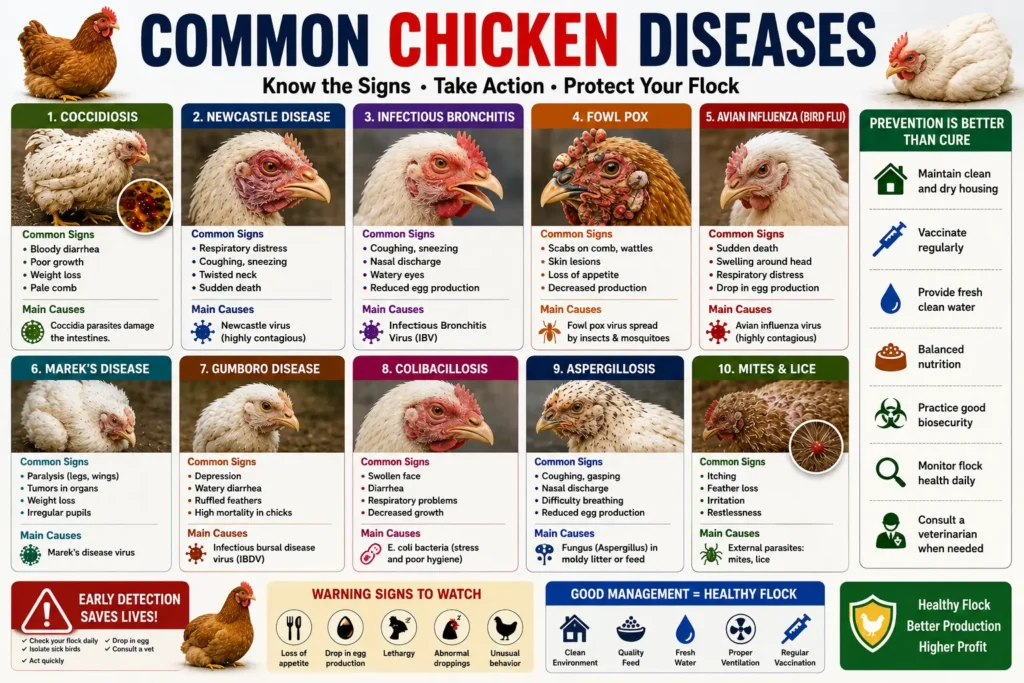
Skin and Feather Symptoms: Lesions, Itching, and Feather Loss
What You Might See
- Wart-like bumps on the comb, wattles, or face
- Feather loss with visible skin irritation
- Small moving specks on skin or feathers
- Scaly, crusty patches on the legs
Likely Causes
Fowl pox causes distinctive wart-like lesions on unfeathered skin, spread mainly by mosquitoes. It’s usually mild but can weaken birds enough to invite secondary infection.
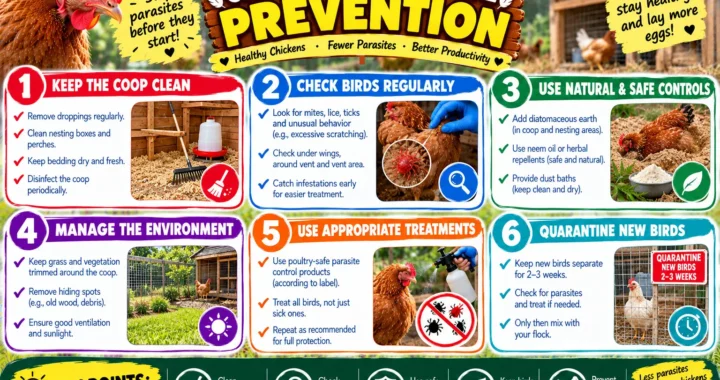
External parasites like mites and lice cause feather damage, skin irritation, and in severe infestations, anemia. Regular coop cleaning and dust-bathing access help prevent outbreaks.
Scaly leg mites burrow under leg scales, causing a crusty, raised appearance over time. It’s treatable but takes patience, since the mites live under the scale surface.
Bumblefoot, a bacterial infection in the footpad, often starts from a small injury and can progress to swelling and lameness if untreated.
Neurological Symptoms: Paralysis, Tremors, and Loss of Coordination
Neurological signs are less common than respiratory or digestive symptoms, but they’re some of the most serious among common chicken diseases.
What You Might See
- Leg or wing paralysis
- Head or neck twisting
- Tremors or loss of balance
- Irregular pupil size
Likely Causes
Marek’s disease, a herpesvirus, is the most frequent cause of paralysis in backyard flocks. There’s no cure once a bird is infected, which is why hatchery vaccination is the standard prevention.
Newcastle disease can progress from respiratory symptoms to neurological signs like tremors and twisted neck as the infection advances.
Vitamin E or B1 deficiency can also cause neurological-looking symptoms, though this is nutritional rather than infectious, and correcting the diet often resolves mild cases.
Did You Know? Because Marek’s disease and Newcastle disease can look similar in advanced stages, a vet exam or necropsy is often the only reliable way to tell them apart.
Reproductive Symptoms: Egg Problems and Straining
What You Might See
- Straining with no egg produced
- Sudden drop in egg-laying rate
- Consistently abnormal eggs (soft, wrinkled, misshapen)
- Swelling or discharge near the vent
Likely Causes
Egg binding happens when an egg gets stuck in the reproductive tract. It’s a true emergency, since it can become life-threatening within 24 to 48 hours without treatment.
Infectious bronchitis, egg drop syndrome, and Newcastle disease are all documented causes of a sudden, flock-wide drop in egg quality or quantity, often before other symptoms are obvious.
Reproductive tract infections can cause discharge, swelling, and lethargy, and typically require veterinary diagnosis to confirm and treat properly.
How Backyard Flock Size Affects Disease Risk
Small backyard flocks and larger operations face common chicken diseases differently, and it’s worth understanding the distinction.
- Small flocks (under 20 birds) – lower disease pressure overall, but new bird introductions and wild bird contact are the biggest risk factors
- Medium flocks (20–100 birds) – overcrowding and ventilation become more important; disease spreads faster once introduced
- Mixed-age flocks – chicks and older hens have different vulnerability profiles, so diseases like coccidiosis hit young birds harder while age-related decline affects older hens more
Expert Tip: If you regularly add new birds to your flock, a dedicated quarantine space isn’t optional — it’s the single biggest thing you can do to keep common chicken diseases from ever reaching your existing birds.
Seasonal Patterns in Common Chicken Diseases
- Spring – higher risk from new chick additions and coccidiosis in brooders
- Summer – heat stress, mosquito-borne fowl pox, and reduced feed intake affecting shell quality
- Fall – respiratory illness risk rises as ventilation often gets reduced to conserve heat
- Winter – closed, less-ventilated coops increase respiratory disease spread; frostbite risk adds another stressor
Common Mistakes When Identifying Chicken Illness
Common Mistakes:
- Assuming a cough always means the same respiratory disease
- Treating diarrhea without checking for coccidiosis first
- Waiting to isolate a sick bird until symptoms are severe
- Skipping quarantine for new birds, even ones that look healthy
- Not tracking which symptoms appeared first and in what order
Diagnosing Common Chicken Diseases: When Home Observation Isn’t Enough
Matching a symptom to a likely cause is a useful starting point, but it isn’t a diagnosis. A veterinarian or poultry diagnostic lab can confirm the exact cause through:
- Physical exam – checking hydration, weight, and respiratory sounds
- Fecal testing – identifying coccidia or worms
- Blood or swab testing – confirming specific viral or bacterial pathogens
- Necropsy – often the clearest answer in flock-wide outbreaks
University extension services and state poultry diagnostic labs frequently offer these services at low cost for backyard flock owners, and the AVMA maintains directories to help locate poultry-experienced veterinarians.
When to Call a Vet
When to Call a Vet:
- Labored breathing, gasping, or persistent coughing
- Bloody diarrhea, especially in chicks
- Paralysis, tremors, or a twisted neck
- A hen straining with no egg produced
- Sudden death in the flock, especially more than one bird
- Symptoms lasting more than a day or two with no improvement
Common chicken diseases can look similar in their early stages, which is exactly why a professional exam matters when symptoms are serious or spreading. Home care works for mild, isolated cases; anything systemic or fast-moving needs veterinary input.
Preventing Common Chicken Diseases
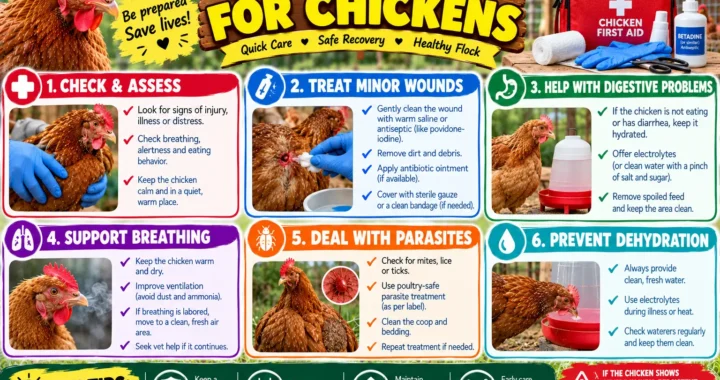
- Quarantine new birds for two to four weeks before adding them to the flock.
- Vaccinate where recommended, especially against Marek’s disease.
- Keep the coop clean and well-ventilated year-round, adjusting for season.
- Control rodents and limit wild bird contact, both common disease carriers.
- Feed medicated starter feed for chicks where coccidiosis risk is high.
- Watch for early symptoms daily rather than waiting for obvious signs.
- Separate sick birds immediately to limit spread within the flock.
The USDA’s biosecurity guidance and university extension programs consistently list these same steps as the most effective defense against common chicken diseases, regardless of flock size.
5. FAQ
Q: What are the most common chicken diseases in backyard flocks? A: The most common chicken diseases in backyard flocks include coccidiosis, infectious bronchitis, Marek’s disease, external parasites like mites and lice, and Mycoplasma gallisepticum.
Q: How can I tell which chicken disease my flock has? A: Start with the main symptom you’re seeing — respiratory, digestive, skin, neurological, or reproductive — then narrow down the likely cause from there. A vet exam confirms the exact diagnosis.
Q: Are common diseases in chickens contagious to other birds? A: Many are, especially respiratory illnesses like infectious bronchitis and Newcastle disease, which spread quickly through direct contact and shared air space in a coop.
Q: What backyard chicken diseases affect egg production the most? A: Infectious bronchitis, egg drop syndrome, and Newcastle disease are the backyard chicken diseases most consistently linked to a sudden drop in egg quantity or quality.
Q: Can common chicken diseases be prevented with vaccination? A: Some can. Marek’s disease, Newcastle disease, and infectious bronchitis all have available vaccines, typically given at the hatchery or in early chick-hood.
Q: Is coccidiosis one of the most common chicken diseases in chicks? A: Yes. Coccidiosis is one of the most common chicken diseases in young birds, and it’s a leading reason medicated starter feed is recommended for chicks.
Q: When should I separate a sick chicken from the flock? A: As soon as you notice symptoms. Early isolation is one of the most effective ways to prevent common chicken diseases from spreading to the rest of the flock.