Prolapsed Vent Causes in Chickens: What’s Really Behind It

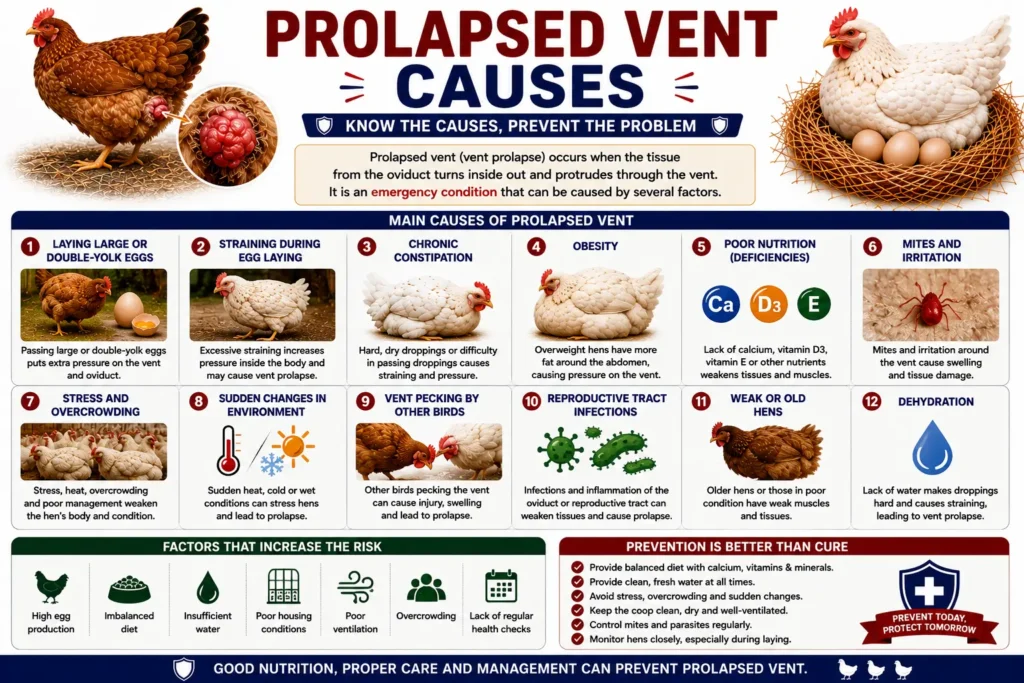
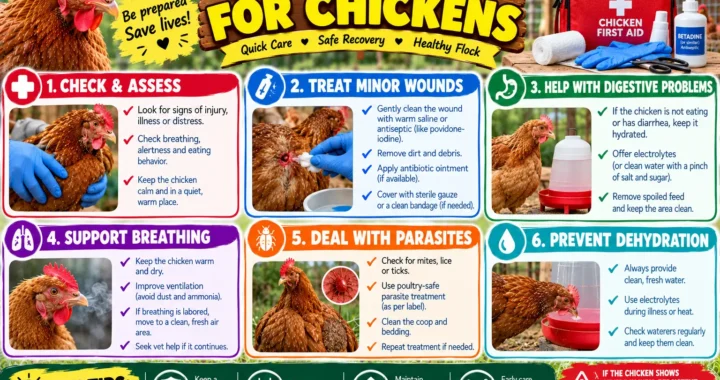
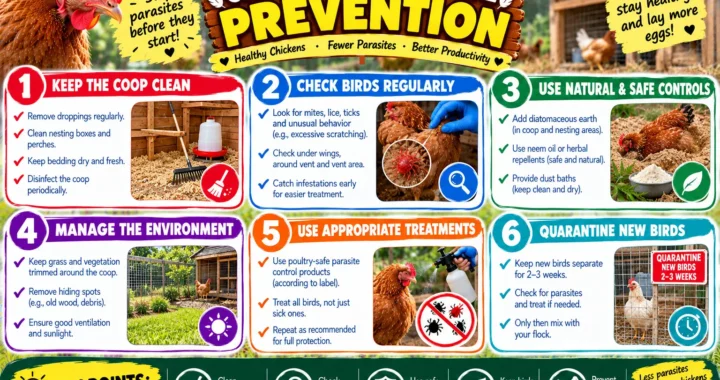
Most prolapsed vent causes trace back to one thing: too much strain on the tissue around a hen’s vent, usually during egg-laying. But strain alone rarely tells the whole story. Body condition, genetics, nutrition, age, and management all combine to decide which hens are at risk and which ones sail through years of laying without issue.
This guide breaks down every known cause and risk factor behind vent prolapse, explains the biology behind each one, and shows you which factors you can control versus which ones are simply part of a hen’s genetics. If you’ve already found a prolapse and need first-aid steps, this article focuses on the “why” so you can prevent the next one; a full step-by-step treatment guide covers the “what to do right now” side of the problem.
Table of Contents
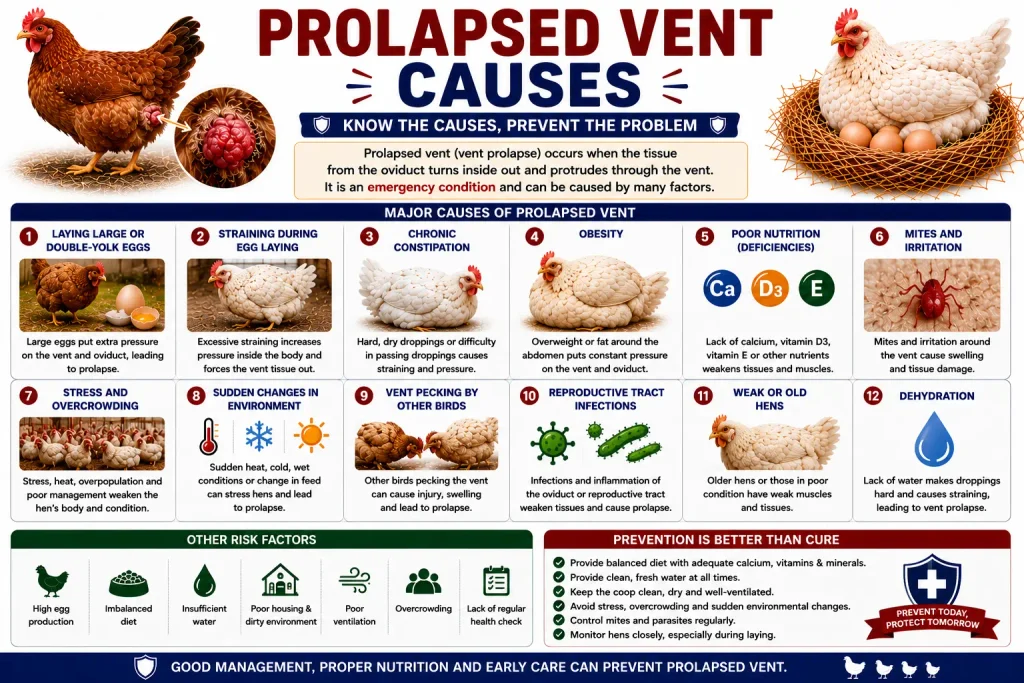
Quick Answer: Prolapsed vent causes fall into five main categories: egg-related strain (oversized, double-yolked, or poorly formed eggs), body condition (obesity or being underweight), nutritional deficiencies (especially calcium and phosphorus imbalance), management factors (early lighting, overcrowding, poor rearing conditions), and underlying disease (egg binding, reproductive infection, or chronic straining from constipation). Genetics and breed also play a real role, with some high-production hybrids and large-bodied breeds more prone than others.
Read More: https://lashegg.com/chicken-prolapsed-vent-treatment/
Why Vent Prolapse Happens: The Underlying Mechanism
The vent is a narrow, muscular opening connecting the cloaca to the outside of the hen’s body. Every time a hen lays an egg, tissue briefly everts, or turns partly outward, to let the egg pass, then retracts back into place. Prolapse happens when this tissue does not retract properly, usually because the muscles around the vent are weakened, overstretched, or under too much pressure to snap back on their own.
Almost every specific cause on this list works through one of two pathways: it either weakens the muscle tissue that’s supposed to hold everything in place, or it increases the physical strain the hen experiences while laying.
Egg-Related Prolapsed Vent Causes
Reproductive strain is the most common trigger, and it comes in several forms.
Oversized and Double-Yolked Eggs
Large eggs stretch the cloacal and uterine tissue far beyond its normal range during laying. Industry poultry research points to double-yolked eggs specifically as a major risk factor, since their excessive size places heavy pressure on the uterus and cloacal muscles at the moment of laying. When this tissue is repeatedly overstretched, it weakens, making it harder for the hen to retract it fully afterward.
Misshapen or Soft-Shelled Eggs
Oddly shaped or soft-shelled eggs are harder to pass smoothly. The extra straining this requires puts repeated stress on the same muscles responsible for keeping the vent tissue in place.
Early Laying in Young Pullets
Pullets that begin laying before their bodies are fully developed face a mismatch: their reproductive tract may not yet be wide enough or strong enough to comfortably pass eggs, especially if lighting programs push them into production too soon.
Age and Cumulative Strain
At the other end of the age spectrum, older hens that have been heavy producers for years often show reduced muscle tone from cumulative laying strain. As hens age, their eggs also tend to grow larger, adding yet another layer of physical demand on tissue that has already done a lot of work over time.
Body Condition as a Prolapsed Vent Cause
Obesity
Overweight hens face two separate problems. First, excess fat around the reproductive organs adds direct pressure that makes it harder for tissue to retract normally. Second, heavier hens tend to lay larger eggs, compounding the egg-size risk described above. Obese hens may also struggle to physically posture correctly while laying, which increases straining even further.
Being Underweight
Being too thin carries risk as well. Underweight hens often have poor overall muscle tone, including the muscles around the vent, making prolapse more likely even without an oversized egg involved.
Nutritional Prolapsed Vent Causes
- Calcium deficiency: Calcium supports both shell formation and the muscle contractions involved in laying. A shortfall weakens the muscular effort needed to pass an egg cleanly.
- Calcium-to-phosphorus imbalance: A poorly balanced ratio between these two minerals can undermine reproductive and skeletal health together, indirectly raising prolapse risk.
- General protein or vitamin deficiency: Poor overall nutrition reduces tissue strength and healing capacity throughout the body, including the reproductive tract.
- Dehydration: Inadequate water intake contributes to constipation, which leads to straining that can trigger a prolapse even outside the context of egg-laying.
Expert Tip: Free-choice oyster shell alongside a complete, balanced layer feed is one of the simplest ways to address several nutritional prolapsed vent causes at once, since it supports both shell quality and muscle tone without requiring guesswork about exact amounts.
Management-Related Causes
- Excessive or poorly timed artificial lighting: Pushing pullets into lay too early, or stimulating hens too aggressively with light, increases the odds of oversized or double-yolked eggs and strain-related injuries.
- Overcrowding: Competition for nest boxes, feeders, and drinkers creates stress and can lead to rushed, poorly timed laying.
- Poor rearing conditions: Inadequate space, ventilation, or feeder access during the pullet-rearing period affects long-term reproductive tract development.
- Confinement without adequate exercise: Limited movement can contribute to both obesity and reduced muscle tone over time.
- High stress environments: Chronic stress affects hormone regulation and can disrupt normal laying patterns, indirectly raising prolapse risk.
Underlying Disease as a Prolapsed Vent Cause
Vent prolapse is frequently a symptom of another problem rather than a standalone issue. Common underlying conditions include:
- Egg binding: A stuck egg forces prolonged, forceful straining that can push tissue outward.
- Salpingitis: Infection or inflammation of the oviduct weakens surrounding tissue and disrupts normal egg passage.
- Cloacitis: Inflammation of the cloaca itself can directly contribute to tissue eversion.
- Chronic constipation or intestinal impaction: Straining to pass droppings uses many of the same muscles involved in laying, and repeated strain raises prolapse risk.
- Abdominal masses or reproductive tumors: Less common, but these can create pressure that pushes tissue toward the vent opening.
Warning: If a hen prolapses repeatedly despite proper weight management and nutrition, an underlying reproductive or intestinal disease is a likely culprit. Repeated cases deserve a veterinary workup rather than repeated home fixes alone.
Genetics and Breed-Related Prolapsed Vent Causes
Genetics plays a real, documented role. High-production hybrid layers bred for maximum egg output are statistically more prone to prolapse than many heritage breeds, likely tied to the physical demands of consistent, high-volume laying. Some larger-bodied breeds have also been associated with a higher incidence of vent prolapse, an effect linked to inherited traits like looser abdominal muscle tone. Even within the same breed, individual hens can vary in their susceptibility.
Poultry genetics research also points to a promising long-term solution: breeding programs that flatten the natural increase in egg size as hens age can reduce the metabolic and physical demand placed on older birds, lowering prolapse risk over a flock’s lifetime.
Prolapsed Vent Causes at a Glance
| Category | Specific Cause | Why It Increases Risk |
| Egg-related | Oversized or double-yolked eggs | Overstretches cloacal and uterine tissue |
| Egg-related | Early laying in young pullets | Reproductive tract not yet fully developed |
| Egg-related | Age-related muscle loss | Years of cumulative laying strain |
| Body condition | Obesity | Added pressure plus larger eggs |
| Body condition | Underweight | Poor overall muscle tone |
| Nutrition | Calcium deficiency | Weakens muscle contraction and shell quality |
| Nutrition | Calcium-phosphorus imbalance | Undermines skeletal and reproductive health |
| Nutrition | Dehydration | Leads to constipation and straining |
| Management | Excessive or early lighting | Drives oversized eggs and early lay |
| Management | Overcrowding or poor rearing | Increases stress and rushed laying |
| Disease | Egg binding, salpingitis, cloacitis | Direct tissue strain or inflammation |
| Genetics | High-production hybrid breeds | Inherited demand of continuous heavy laying |
| Genetics | Large-bodied breeds | Associated with looser abdominal muscle tone |
Which Prolapsed Vent Causes Can You Actually Prevent?
Not every cause is equally within your control. This table separates what you can manage from what’s mostly a fixed risk factor.
| Preventable Through Management | Largely Fixed or Genetic |
| Body weight and diet | Breed-related genetic predisposition |
| Calcium and mineral balance | Individual hen’s inherited muscle tone |
| Lighting program and timing | Natural age-related tissue changes |
| Coop space and stress levels | Underlying reproductive anatomy |
| Hydration and constipation prevention | — |
Did You Know? Two hens raised in identical conditions, on identical feed, can still have very different prolapse risk simply because of genetics. That’s why some keepers describe certain hens or bloodlines as consistently “prone” to prolapse even when management is done well.
Common Mistakes When Addressing Prolapsed Vent Causes
- Focusing only on the visible episode. Treating one prolapse without investigating why it happened invites a repeat.
- Overcorrecting calcium alone. Calcium matters, but oversupplementing it without addressing weight, lighting, or genetics won’t fully resolve risk on its own.
- Ignoring breed-specific risk. Keepers of high-production hybrid layers or larger breeds should watch body condition and egg size more closely than keepers of smaller heritage breeds.
- Assuming light management doesn’t matter for adult hens. Lighting affects prolapse risk throughout a hen’s laying life, not just during her pullet stage.
- Skipping a vet check after repeat prolapses. Recurring cases often point to an underlying condition that home management alone cannot fix.
When to Call a Vet
Understanding causes helps with prevention, but some situations need professional evaluation rather than at-home management alone:
- A hen prolapses more than once despite good weight and nutrition management
- You suspect an underlying condition like egg binding or oviduct infection
- The hen shows other symptoms alongside prolapse, such as lethargy, reduced appetite, or abnormal droppings
- You’re unsure whether a specific cause, such as a suspected internal mass, requires diagnostic imaging
A vet can help pinpoint which of these prolapsed vent causes applies to your specific hen, especially when more than one factor may be involved at once.
Final Thoughts
Prolapsed vent causes rarely come down to a single factor. Egg size, body condition, nutrition, management, underlying disease, and genetics all interact to determine which hens are most at risk. Some of these, like calcium levels, lighting programs, and body weight, are well within your control. Others, like breed predisposition and individual genetics, are simply part of the hen you’re working with.
Keeping a close eye on body condition, egg size, and any hen with a prolapse history gives you the best chance of catching problems early. When a prolapse does happen, or keeps happening, pairing good home management with veterinary guidance gives your flock the strongest long-term protection.
5. FAQ
Q: What are the most common prolapsed vent causes in backyard chickens? A: The most common causes are oversized or double-yolked eggs, obesity, calcium deficiency, and pullets laying before they’re physically mature. Underlying reproductive disease and genetics also play a significant role.
Q: What causes vent prolapse in older hens specifically? A: Older hens often have reduced muscle tone from years of laying, combined with naturally larger eggs as they age, both of which increase strain on the vent tissue.
Q: Can diet alone cause a chicken vent prolapse? A: Diet is rarely the sole cause, but calcium deficiency and an imbalanced calcium-to-phosphorus ratio can weaken the muscle tone needed to prevent prolapse, especially when combined with other risk factors like obesity or oversized eggs.
Q: Are some chicken breeds more prone to vent prolapse than others? A: Yes. High-production hybrid layers and some larger-bodied breeds show a higher incidence of vent prolapse, likely linked to inherited muscle tone and the physical demands of heavy egg production.
Q: Can lighting really cause a prolapsed vent? A: Excessive or poorly timed artificial lighting can push pullets into laying too early or stimulate oversized and double-yolked eggs, both of which are established prolapsed vent causes.
Q: Does obesity cause vent prolapse in chickens? A: Yes. Overweight hens face added pressure on the reproductive tract and tend to lay larger eggs, both of which increase strain on the vent during laying.
Q: If my hen prolapses once, will it happen again? A: It’s possible, especially if the underlying cause isn’t addressed. Hens with a prolapse history should have their weight, diet, and lighting reviewed, and repeated cases warrant a veterinary check for underlying disease.
Q: Is chicken prolapse ever purely genetic, with no management cause? A: It can be. Some hens are simply predisposed due to inherited muscle tone or reproductive anatomy, even when diet, weight, and management are well handled.