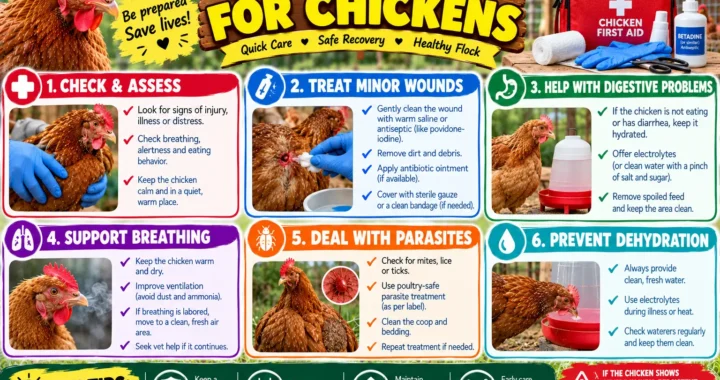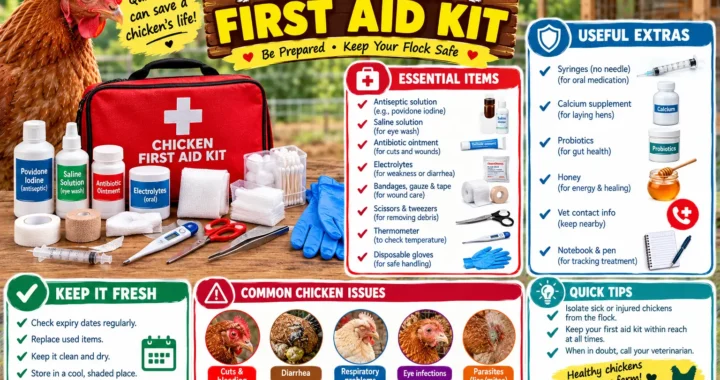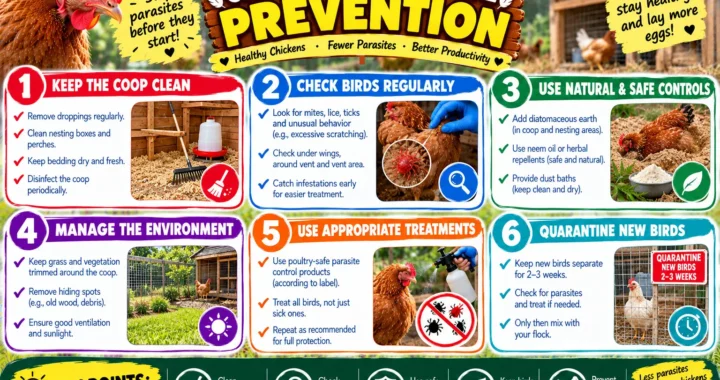
What Causes Bumblefoot? A Quick Answer for Worried Flock Owners

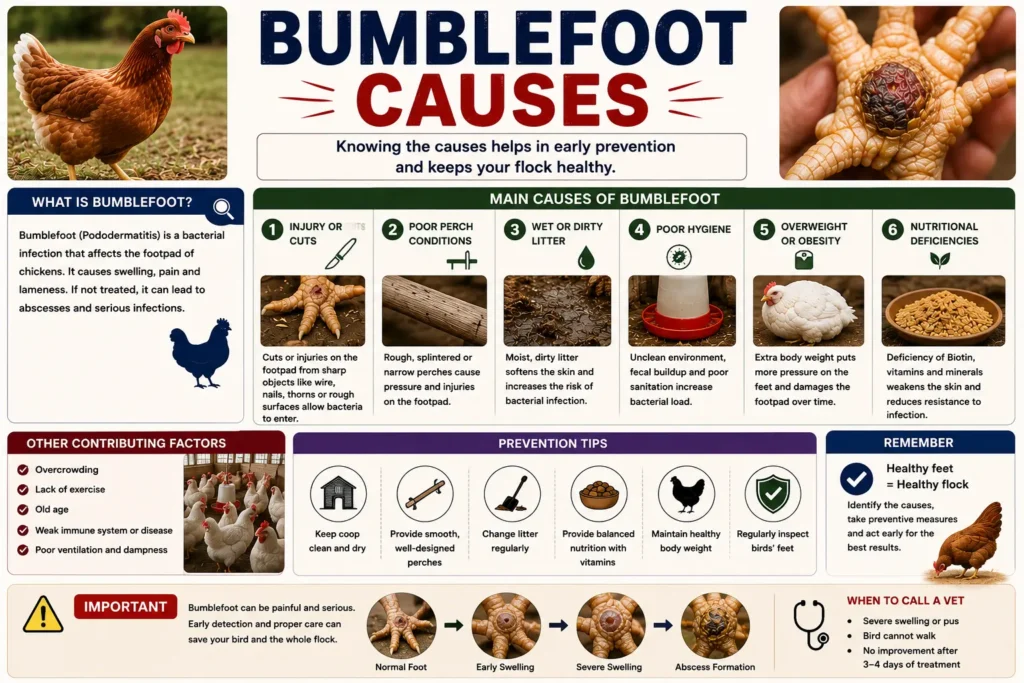
Quick Answer: Bumblefoot causes almost always trace back to a small wound on a bird’s foot pad. Bacteria, usually Staphylococcus aureus, enter through that wound and cause a swollen, infected abscess. Rough perches, hard landings, wet or dirty bedding, obesity, and poor nutrition are the biggest risk factors behind bumblefoot in chickens, ducks, and other backyard poultry.
If you’ve noticed your hen limping or favoring one foot, you’re probably searching for answers right now, not a lecture. So here’s the short version: bumblefoot is a bacterial infection that starts small and gets worse fast if the underlying cause isn’t fixed. Understanding what causes bumblefoot is the first step toward stopping it before it becomes a painful, swollen mess that needs surgery.
This guide covers every major and minor cause of bumblefoot, the science behind why it happens, how to spot it early, and exactly how to prevent it in your coop. We’ll also cover when home care is enough and when you truly need a vet.
Table of Contents
What Is Bumblefoot, Exactly?
Bumblefoot, known medically as pododermatitis, is a bacterial infection of the foot pad. It affects chickens, ducks, geese, turkeys, and even pet birds like parrots. The name comes from the “bumble” or lump that forms on the bottom of the foot as the infection develops.
The condition isn’t contagious between birds in the way a respiratory illness is. It’s an opportunistic infection, meaning it needs a way in. That “way in” is almost always physical damage to the skin of the foot pad.
Why Bumblefoot Causes Matter More Than Treatment
Most articles online jump straight to treatment: soaking, lancing, wound care. But if you don’t understand what causes bumblefoot in the first place, you’ll treat one case and watch three more pop up in the following months. Fixing the root cause is what actually stops the cycle.
The Main Bumblefoot Causes Explained
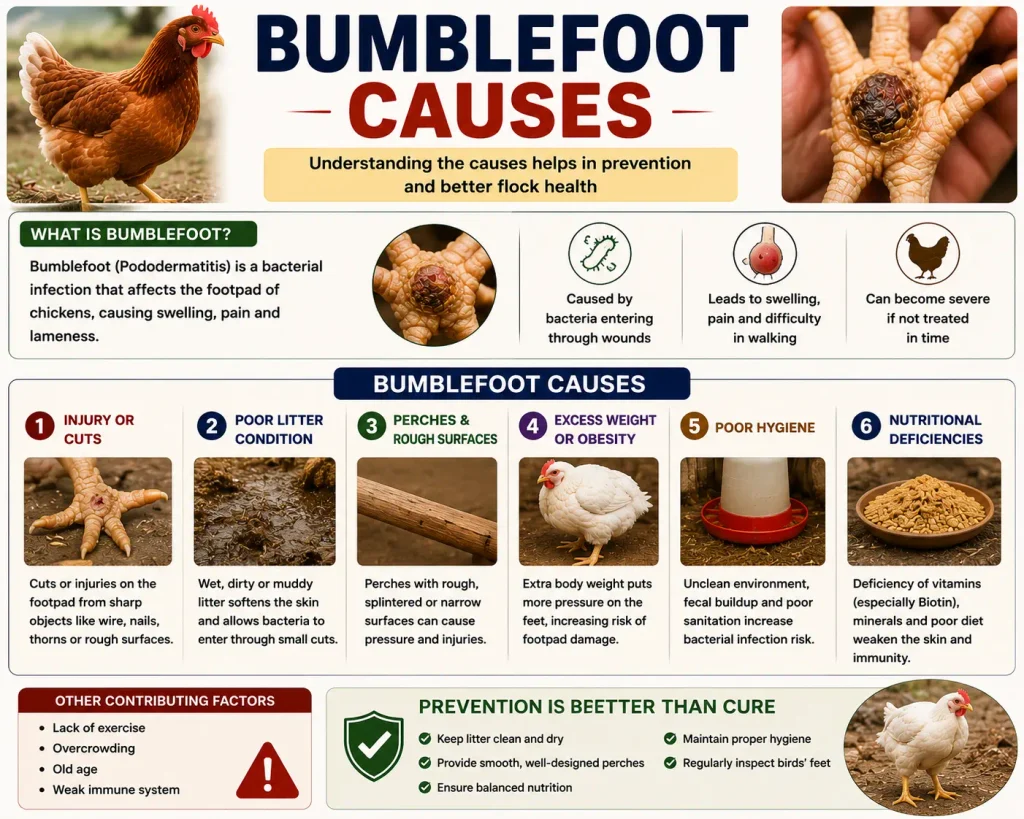
Bumblefoot causes fall into a few clear categories. Some are mechanical (physical damage), some are environmental, and some are related to the bird’s overall health. Most cases involve more than one factor working together.
1. Cuts, Punctures, and Scrapes on the Foot Pad
This is the number one entry point for infection. Sharp objects in the run, splintered wood perches, broken glass, thorny plants, or even sharp gravel can puncture the skin. Once bacteria get past that barrier, an abscess can form within days.
- Splintered or rough wooden perches
- Sharp rocks, gravel, or broken debris in the run
- Wire flooring with sharp edges
- Thorns, wood chips, or stubble in the pasture
2. Hard or Repeated Impact Landings
Perches set too high force birds to jump down repeatedly, and that repeated impact bruises the foot pad over time. Bruised tissue is weaker tissue, and weaker tissue is easier for bacteria to invade.
Expert Tip: Keep roosting perches no higher than 18–24 inches off the ground for standard breeds, and add a ramp or lower step for heavier birds like Orpingtons or Brahmas.
3. Obesity and Excess Body Weight
Heavier birds put more pressure on the same small foot surface every time they land or stand. This is one of the most overlooked bumblefoot causes, especially in overfed backyard flocks or birds that don’t get enough space to move.
Overweight ducks and heavy dual-purpose chicken breeds are particularly prone to this type of pressure-related pododermatitis.
4. Poor or Damp Bedding
Wet, dirty, or ammonia-heavy bedding softens the skin on the foot pad, a process vets call maceration. Softened skin tears and punctures far more easily than dry, healthy skin, which opens the door to bacterial infection.
5. Rough or Abrasive Perch and Coop Materials
Concrete floors, unfinished wood, or wire mesh flooring all create constant micro-abrasion on the foot pad. Over weeks, these tiny injuries add up and eventually break the skin barrier completely.
6. Nutritional Deficiencies
A diet low in vitamin A or biotin weakens skin integrity across the whole body, including the feet. Birds on unbalanced diets, especially those fed mostly scraps or low-quality feed, are more prone to skin breakdown and slower wound healing.
7. Underlying Bacterial Presence
Staphylococcus aureus is the most commonly identified bacteria in bumblefoot cases, though other bacteria can be involved too. These bacteria are often already present in the coop environment and simply need an open wound to take hold.
8. Genetics and Breed Predisposition
Heavier meat breeds and birds with naturally flat or wide feet, such as certain duck and turkey breeds, carry more inherited risk. This doesn’t mean prevention is pointless. It means these birds need extra attention to perch height and bedding quality.
Read More: https://lashegg.com/bumblefoot-treatment/
9. Age and Mobility Issues
Older birds and those with arthritis or leg weakness often shift their weight unevenly, putting more strain on one foot. This uneven pressure raises the risk of localized pododermatitis on the more heavily used foot.
Bumblefoot Causes at a Glance
| Cause Category | Example Triggers | Risk Level |
| Physical injury | Splinters, sharp gravel, glass | High |
| Repeated impact | High perches, hard landings | High |
| Body weight | Obesity, heavy breeds | Moderate–High |
| Environment | Wet bedding, ammonia buildup | Moderate |
| Surface texture | Concrete, wire flooring | Moderate |
| Nutrition | Low vitamin A, poor diet | Moderate |
| Genetics/age | Breed type, arthritis | Low–Moderate |
What Causes Bumblefoot in Ducks vs. Chickens?
People often ask what causes bumblefoot specifically in ducks, since duck feet differ from chicken feet. Ducks have webbed, flatter feet and tend to develop bumblefoot from hard, dry, or rough ground rather than perches, since most ducks don’t roost.
| Factor | Chickens | Ducks |
| Main injury source | Rough perches, jumping down | Hard/dry ground, gravel |
| Common trigger | Splinters, high roosts | Concrete or packed dirt runs |
| Body weight risk | Heavy dual-purpose breeds | Overweight domestic breeds |
| Bedding sensitivity | Moderate | High (feet stay wet often) |
Early Signs That a Cause Has Already Led to Infection
Catching bumblefoot early means the underlying cause hasn’t had time to spiral into a deep infection yet.
- Slight limping or favoring one foot
- A small dark scab on the bottom of the foot pad
- Mild swelling around the pad
- Reluctance to perch or jump
- A visible black or dark red spot under the scab
- Swelling that feels warm to the touch
Did You Know? The dark scab many owners see is often the entry wound itself, sealed over the top while infection builds underneath it.
How Vets Diagnose the Underlying Cause
A veterinarian will typically examine the foot visually, press gently around the swelling to check for heat and pain response, and may take a sample of any discharge for bacterial culture if the case is severe or recurring. This step matters because identifying the exact bacteria involved can guide antibiotic choice in serious cases, according to guidance summarized by the Merck Veterinary Manual.
For flocks with repeat cases, a vet may also ask about perch height, bedding type, and diet, since these environmental clues often reveal the real root cause faster than the wound itself does egg.
Bumblefoot Prevention: Fixing the Causes Before They Start
Bumblefoot prevention works because it targets the actual causes instead of waiting for an infection to treat.
Coop and Run Adjustments
- Use smooth, rounded perches (natural wood branches work well)
- Keep perches under 18–24 inches high
- Remove sharp debris, gravel, and broken glass from the run
- Avoid bare wire or concrete flooring without bedding cover
- Add rubber mats or thick straw in high-traffic landing zones
Bedding and Hygiene
- Change bedding before it becomes damp or compacted
- Use absorbent bedding like pine shavings or straw
- Keep the coop well-ventilated to reduce ammonia buildup
- Clean up wet spots around waterers daily
Nutrition and Weight Management
- Feed a complete, balanced layer or grower feed appropriate for age
- Avoid overfeeding treats and scraps, which can lead to obesity
- Ensure adequate vitamin A intake through quality commercial feed
- Provide enough space for birds to move and stay active
Routine Foot Checks
Step-by-Step Weekly Foot Check:
- Pick up each bird gently and support its body weight
- Turn the foot over to expose the pad
- Look for scabs, dark spots, redness, or swelling
- Feel the pad for heat or firmness compared to the other foot
- Check between toes for cracked or damaged skin
- Note any changes and recheck in a few days if something looks off
Common Mistakes That Make Bumblefoot Causes Worse
Common Mistakes:
- Ignoring a small scab because the bird “seems fine”
- Using leftover treated lumber for perches, which is often too smooth or splinters unevenly
- Overcrowding a coop, which increases jumping and impact injuries
- Skipping bedding changes to save time or money
- Assuming only free-range birds get bumblefoot (confined birds are just as at risk)
Warning: When Home Care Isn’t Enough
Warning: If the foot is severely swollen, the bird is unable to bear weight at all, there’s a foul odor, or you see red streaking up the leg, this is beyond home care. These signs suggest the infection has spread deeper into the tissue or bone.
When to Call a Vet
When to Call a Vet:
- The swelling is large, hot, or spreading up the leg
- The bird stops eating or becomes lethargic
- You see pus, a foul smell, or the wound won’t close
- The bird has had repeated bumblefoot episodes
- You’re not confident performing wound care safely at home
A veterinarian, ideally one with poultry or avian experience, may recommend antibiotics, surgical removal of the infected core (called the “kernel”), or in advanced cases, more intensive wound management. The AVMA and university extension poultry programs both recommend professional evaluation for any case involving significant swelling or lameness.
Can Bumblefoot Come Back After Treatment?
Yes, and this is precisely why understanding bumblefoot causes matters more than treatment alone. If the original cause (a rough perch, wet bedding, excess weight) isn’t corrected, the same foot or the opposite one can develop a new infection within weeks of the last one healing.
Home Remedies: What Helps and What Doesn’t
| Approach | Helpful? | Notes |
| Epsom salt soaks | Yes, for early/mild cases | Softens tissue, reduces swelling |
| Iodine or chlorhexidine cleaning | Yes | Standard antiseptic wound care |
| Bandaging after cleaning | Yes | Protects wound from dirt |
| Squeezing out the core at home | Caution | Risky without proper technique; can worsen injury |
| Ignoring and “waiting it out” | No | Infection typically worsens, not improves |
| Antibiotics without vet guidance | No | Requires proper diagnosis and dosing |
FAQ: People Also Ask About Bumblefoot Causes
What causes bumblefoot in chickens most often? The most common cause is a small puncture or scrape on the foot pad that lets bacteria, usually Staphylococcus aureus, enter and cause infection.
Can bumblefoot be caused by diet alone? Diet alone rarely causes bumblefoot, but poor nutrition, especially low vitamin A, weakens skin and slows healing, making injury-related infection more likely.
Is bumblefoot contagious between birds? No. Bumblefoot itself isn’t contagious, but if multiple birds share the same rough perches or poor bedding, several birds can develop it around the same time from the same environmental cause.
Do all chicken breeds get bumblefoot equally? No. Heavier breeds and birds with flat, wide feet face higher risk due to increased pressure on the foot pad.
Can bumblefoot cause permanent damage? If left untreated for a long time, deep infections can damage tendons or bone, which is why early intervention matters.
What is the fastest way to prevent bumblefoot? Lowering perch height, keeping bedding dry, and removing sharp debris from the run address the three most common causes at once.
Wrapping Up: Managing Bumblefoot Causes for a Healthier Flock
Bumblefoot causes almost always come down to one thing: something damaged the skin on a bird’s foot, and bacteria took advantage of it. Rough perches, wet bedding, excess weight, and poor nutrition are the usual suspects, and each one is fixable with the right coop setup and daily habits.
Keep checking your birds’ feet weekly, act fast on small scabs or swelling, and don’t wait if a foot looks seriously infected. A quick call to an avian or poultry vet can save your bird a lot of pain and save you a much harder recovery process later.
5. FAQ Section (Structured)
Q: What causes bumblefoot? A: Bumblefoot is caused by bacteria entering the foot pad through a cut, puncture, or pressure sore, most often Staphylococcus aureus.
Q: What are the main bumblefoot causes to watch for? A: Rough perches, sharp debris, wet bedding, obesity, poor nutrition, and hard landings are the leading bumblefoot causes.
Q: How can I prevent bumblefoot in my flock? A: Lower your perches, keep bedding dry, remove sharp objects from the run, and feed a balanced diet to prevent bumblefoot before it starts.
Q: Can bumblefoot heal without a vet? A: Mild, early-stage cases often respond to home cleaning and soaking, but moderate to severe cases need veterinary treatment.