Coccidiosis in Chickens: What Every Flock Owner Needs to Know

Quick Answer: Coccidiosis in chickens is a parasitic intestinal disease caused by microscopic protozoa called Eimeria. It spreads through droppings in damp, dirty bedding and mostly affects young chicks between 3 and 8 weeks old. Left untreated, it can cause bloody droppings, severe dehydration, and death within days, but it’s highly treatable with the right medication caught early.
If you’ve found blood in the coop or a chick that suddenly looks hunched and lifeless, coccidiosis is one of the first things a vet will check for. It’s one of the most common causes of death in young backyard flocks, and it moves fast. This guide walks through exactly what causes it, how to spot it early, and how to treat and prevent it going forward.
Coccidiosis isn’t rare or unusual. Nearly every flock is exposed to Eimeria parasites at some point. The disease only becomes dangerous when the parasite load overwhelms a bird’s immune system, usually in young, stressed, or unvaccinated birds living in wet, overcrowded conditions.
Table of Contents
What Is Coccidiosis?
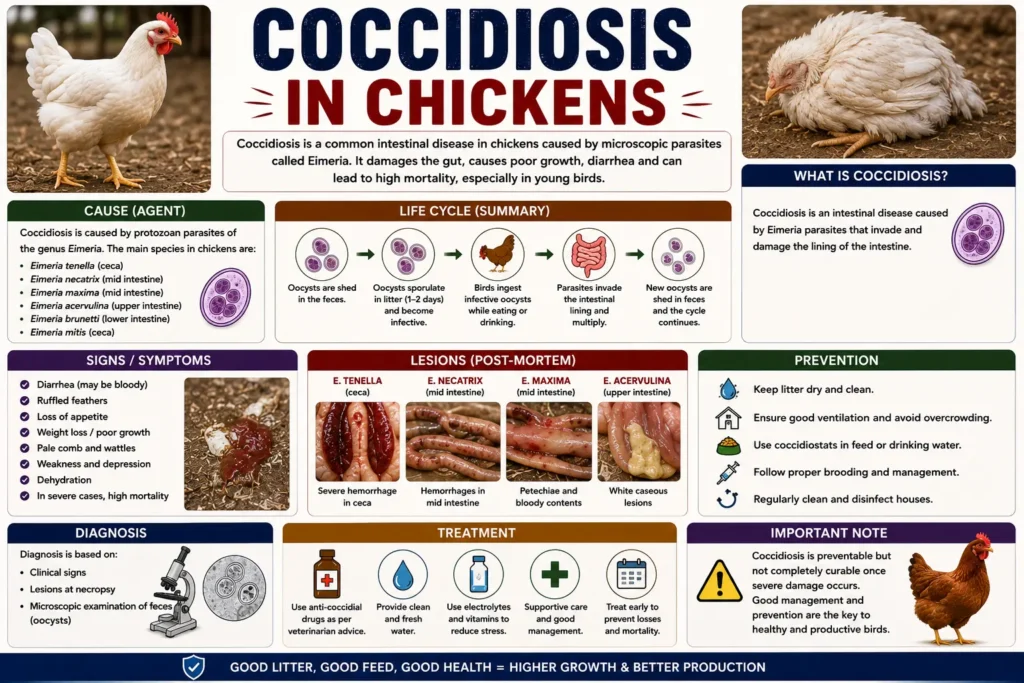
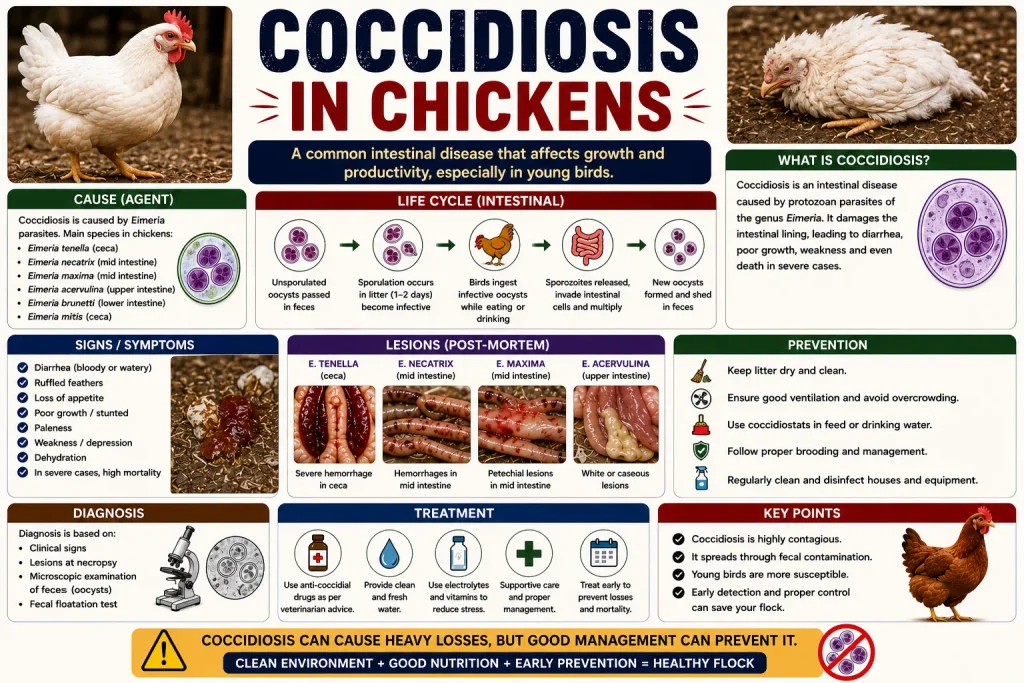
Coccidiosis is an intestinal infection caused by single-celled parasites in the genus Eimeria. These parasites invade the lining of the gut, where they multiply and damage intestinal tissue. Nine species of Eimeria are known to infect chickens, and each targets a different part of the intestinal tract.
This is why chicken coccidiosis can look different from bird to bird. A chick infected with Eimeria tenella often shows bloody droppings because this species attacks the ceca, while other species cause watery diarrhea without visible blood.
Read More: https://lashegg.com/bumblefoot-causes/
Why Young Chicks Are Most at Risk
Chicks under 8 weeks old haven’t built up immunity to Eimeria yet. Their gut lining is thinner and more vulnerable, and a heavy parasite load can overwhelm them within 24 to 48 hours of symptoms starting.
Adult birds usually carry some level of natural immunity from repeated low-level exposure, which is one reason coccidiosis in chickens is far more dangerous in brooders than in established flocks.
What Causes Coccidiosis in Chickens?
Understanding what causes coccidiosis helps explain why it spreads so quickly in certain conditions and barely shows up in others.
1. Fecal-Oral Transmission
Eimeria parasites spread through droppings. A bird pecks at contaminated bedding, food, or water, and the parasite’s egg-like oocysts enter the digestive tract. This is the primary way coccidia in chickens moves through a flock.
2. Damp, Warm Bedding
Oocysts need moisture and warmth to become infectious. Wet bedding around waterers is often the single biggest driver of an outbreak, since it creates the perfect environment for the parasite to multiply.
3. Overcrowding
More birds packed into a small space means more droppings concentrated in less area, and more direct contact between birds. This raises the odds of ingesting a high parasite load quickly.
4. Poor Coop Sanitation
Bedding that isn’t changed often enough allows oocyst levels to build up over time. Even a clean-looking coop can carry a heavy parasite burden if bedding hasn’t been replaced recently.
5. Stress From Environmental Changes
Sudden temperature swings, shipping stress, moving to a new coop, or introducing new birds can all weaken immune defenses temporarily, giving Eimeria an opening.
6. Lack of Prior Exposure or Vaccination
Chicks raised in sterile brooders with no gradual exposure to low levels of Eimeria, and not vaccinated against coccidiosis, may have no immune defense at all when they’re eventually exposed.
Coccidiosis Causes at a Glance
| Cause | Why It Matters | Risk Level |
| Wet bedding | Oocysts thrive in moisture | High |
| Overcrowding | Increases fecal-oral spread | High |
| Poor sanitation | Builds up parasite load over time | High |
| Young age (3–8 weeks) | No built-up immunity yet | High |
| Sudden stress | Weakens immune response | Moderate |
| No prior exposure/vaccination | Zero baseline immunity | Moderate |
Symptoms of Coccidiosis in Chickens
Symptoms vary depending on which Eimeria species is involved and how heavy the parasite load is.
- Bloody or reddish droppings
- Watery or mucus-like diarrhea
- Lethargy and hunched posture
- Pale comb and wattles
- Ruffled feathers
- Reduced appetite and weight loss
- Sudden drop in egg production in laying hens
- Huddling near heat sources even in warm conditions
Did You Know? Not every case of coccidiosis in chickens produces visible blood. Some Eimeria species cause damage higher up in the intestine, leading to diarrhea and poor growth without obvious bleeding.
Symptom Severity: Mild vs. Severe Coccidiosis
| Sign | Mild Case | Severe Case |
| Droppings | Slightly loose | Bloody, watery |
| Activity level | Slightly reduced | Lethargic, hunched |
| Appetite | Mildly reduced | Refuses food |
| Comb color | Normal to slightly pale | Very pale, dull |
| Mortality risk | Low with treatment | High without quick treatment |
How Coccidiosis Is Diagnosed
A vet typically diagnoses coccidiosis by examining a fecal sample under a microscope to count Eimeria oocysts. This step matters because several other conditions, including bacterial enteritis, can also cause bloody droppings, and treatment differs significantly.
According to guidance summarized in the Merck Veterinary Manual, oocyst counts combined with clinical signs like bloody ceca droppings give the clearest picture of infection severity and which species is involved.
Expert Tip: If you keep backyard chickens and see repeated diarrhea without a clear cause, ask your vet about a simple fecal float test. It’s inexpensive and can catch subclinical coccidiosis before it becomes a full outbreak.
Treatment for Coccidiosis in Chickens
Medication
Anticoccidial drugs, commonly amprolium (sold under names like Corid), are the standard treatment. Amprolium works by blocking the parasite’s ability to use thiamine, which stops its life cycle without harming the bird when dosed correctly.
Step-by-Step Treatment Approach:
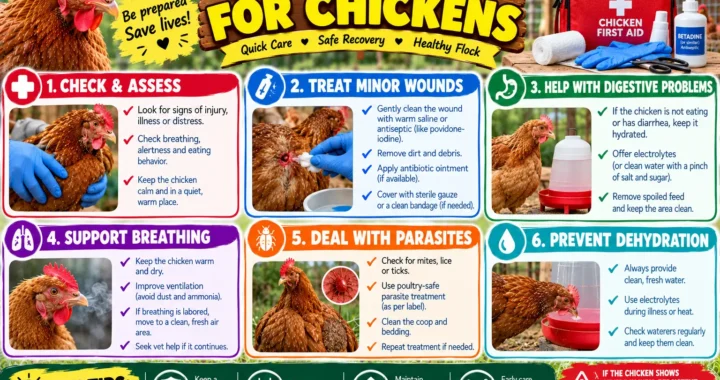
- Isolate visibly sick birds from the rest of the flock
- Start amprolium in the drinking water at the labeled dose, typically for 5–7 days
- Remove medicated water access for unaffected adult birds if not needed, based on vet guidance
- Offer electrolytes and easily digestible feed during recovery
- Keep affected birds warm and monitor droppings daily
- Deep-clean and dry the coop bedding during treatment
- Recheck fecal samples if symptoms don’t improve within a few days
Supportive Care
- Provide clean, fresh water at all times
- Add poultry-safe electrolytes to support hydration
- Keep sick birds in a warm, quiet, low-stress space
- Avoid handling more than necessary during recovery
Warning: Never use amprolium alongside thiamine (vitamin B1) supplements during treatment, since thiamine can counteract the medication’s effectiveness. Always follow label dosing or your vet’s guidance exactly.
When to Call a Vet
When to Call a Vet:
- A chick shows blood in droppings along with lethargy
- Multiple birds get sick within the same day or two
- A bird stops eating or drinking entirely
- Symptoms don’t improve within 48 hours of starting treatment
- You’re unsure of correct dosing for young or small birds
Veterinary involvement matters most in cases with multiple sick birds or when mortality has already occurred, since a vet can confirm the exact Eimeria species and rule out co-infections.
Coccidiosis Prevention: Stopping It Before It Starts
Coop Management
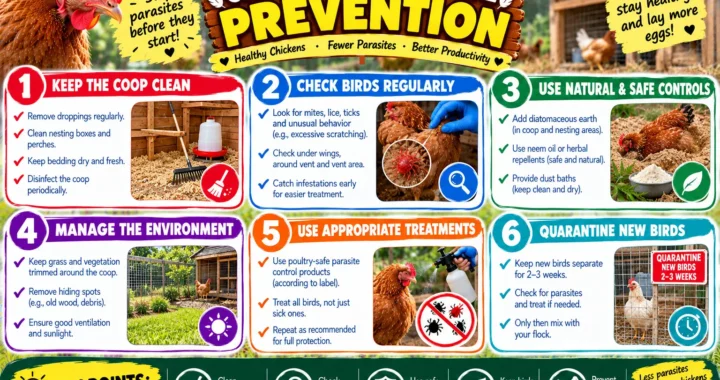
- Keep bedding dry, especially around waterers
- Clean and replace bedding on a consistent schedule
- Avoid overcrowding brooders and coops
- Use waterers designed to reduce spillage
- Ensure good ventilation to reduce dampness
Building Natural Immunity
- Allow chicks controlled, gradual exposure to outdoor ground once a few weeks old
- Use medicated starter feed containing a coccidiostat if raising chicks without a coccidiosis vaccine
- Avoid transferring bedding or soil directly from an adult flock’s area to a chick brooder without monitoring
Vaccination
Coccidiosis vaccines, given to day-old chicks, introduce a small, controlled dose of live Eimeria oocysts to build immunity safely. This approach is common in commercial hatcheries and increasingly available for backyard flock owners through certain hatcheries.
Common Mistakes:
- Using medicated feed and a coccidiosis vaccine at the same time, which can cancel out the vaccine’s effect
- Cleaning bedding so aggressively that chicks never build any natural immunity
- Assuming a clean-looking coop means no oocyst buildup
- Stopping medication early once droppings look normal, allowing a relapse
Coccidiosis vs. Other Common Chick Illnesses
| Condition | Key Sign | Main Cause |
| Coccidiosis | Bloody/watery droppings, lethargy | Eimeria parasites |
| Marek’s disease | Leg paralysis, tumors | Herpesvirus |
| Bacterial enteritis | Diarrhea without blood usually | Bacterial infection |
| Vitamin deficiency | Weakness, poor growth | Nutritional gaps |
Can Chickens Get Coccidiosis More Than Once?
Yes. There are multiple Eimeria species, and immunity to one doesn’t protect against the others. This is why a chicken can recover from coccidiosis and still get sick again later from a different species, especially if coop conditions stay damp or overcrowded.
Does Coccidiosis Affect Egg Production?
In laying hens, a coccidiosis infection can cause a noticeable drop in egg production due to stress, reduced appetite, and nutrient malabsorption from intestinal damage. Production typically recovers within a few weeks after successful treatment.
FAQ: People Also Ask About Coccidiosis in Chickens
What is coccidiosis in chickens? It’s a parasitic intestinal disease caused by Eimeria protozoa that damages the gut lining and can cause bloody droppings, lethargy, and death if untreated.
How do chickens get coccidiosis? Chickens get coccidiosis by ingesting Eimeria oocysts from contaminated droppings, usually through damp bedding, food, or water.
Can coccidiosis in chickens be cured? Yes. Most cases respond well to anticoccidial medication like amprolium if treatment starts early, along with supportive care and coop cleanup.
Is chicken coccidiosis contagious to humans? No. The Eimeria species that infect chickens are host-specific and do not infect humans.
How long does coccidiosis last in chickens? With treatment, most birds show improvement within a few days, and the standard treatment course runs about 5–7 days.
Can adult chickens get coccidiosis? Yes, though it’s less common and usually milder than in chicks, since adults typically carry some immunity from prior exposure.
Wrapping Up: Managing Coccidiosis in Chickens
Coccidiosis in chickens is common, fast-moving, and manageable when caught early. Damp bedding, overcrowding, and young age are the biggest risk factors, and most of them are within your control as a flock owner.
Keep a close eye on droppings and activity levels, especially in chicks under 8 weeks old, and don’t wait if you see blood or sudden lethargy. Quick treatment combined with better coop hygiene stops most outbreaks before they turn serious, and a vet should be your first call for anything beyond a mild, single-bird case.
5. FAQ Section (Structured)
Q: What causes coccidiosis in chickens? A: Coccidiosis in chickens is caused by Eimeria parasites spread through contaminated droppings, usually in damp or overcrowded coops.
Q: What are the first signs of coccidiosis in chickens? A: Early signs include watery or bloody droppings, lethargy, ruffled feathers, and reduced appetite.
Q: How do you treat chicken coccidiosis? A: Treatment usually involves amprolium in the drinking water for 5–7 days, along with electrolytes and coop cleanup.
Q: How can I prevent coccidiosis in my flock? A: Keep bedding dry, avoid overcrowding, consider a coccidiosis vaccine for chicks, and clean the coop on a regular schedule.