Chicken Respiratory Infection: What Causes It and How to Respond

Quick Answer: A chicken respiratory infection is usually caused by a virus, bacteria, or mycoplasma organism that irritates the airways, leading to coughing, sneezing, nasal discharge, and labored breathing. Some causes are mild and resolve with supportive care, while others, like infectious bronchitis or Mycoplasma gallisepticum, can spread through an entire flock within days. Quick isolation and, in many cases, veterinary diagnosis are key to managing an outbreak.
If one of your birds suddenly starts sneezing, wheezing, or breathing with its beak open, a respiratory infection in chickens is one of the top suspects. These infections range from mild and self-limiting to serious flock-wide outbreaks, and telling the difference early changes how you respond.
This guide covers the most common causes of chicken respiratory disease, how to recognize symptoms, diagnostic basics, treatment options, and prevention strategies that actually reduce outbreak risk.
Table of Contents
Why Respiratory Infections Spread So Easily in Flocks
Chickens live in close quarters, share air space, water, and often direct contact, which makes respiratory pathogens spread fast once introduced. Many respiratory disease-causing organisms travel through airborne droplets, direct contact, or contaminated surfaces like feeders and waterers.
This is why even one new, unvaccinated, or unquarantined bird can introduce a chicken respiratory infection that spreads through an entire coop within a week.
Common Causes of Chicken Respiratory Infection
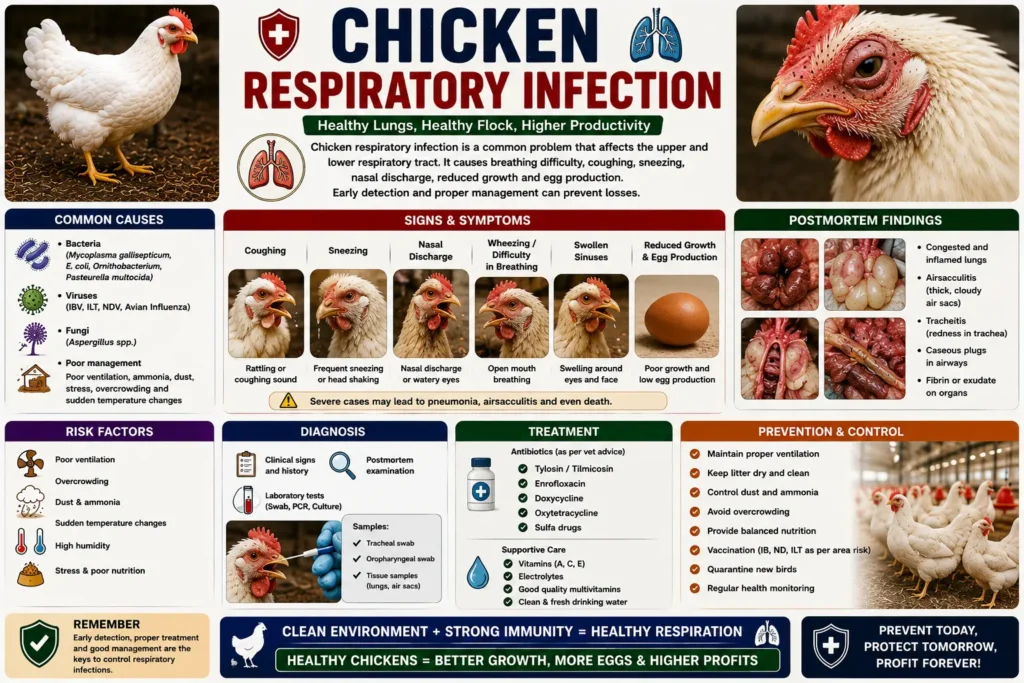
1. Infectious Bronchitis Virus (IBV)
A highly contagious viral cause of respiratory infection in chickens, IBV spreads rapidly and can also affect egg production and shell quality in laying hens, even after respiratory symptoms resolve.
2. Mycoplasma gallisepticum (MG)
Often called chronic respiratory disease, MG causes long-lasting or recurring symptoms and can persist in a flock for extended periods, flaring up during stress or cold weather.
3. Newcastle Disease Virus
A serious viral cause that can range from mild respiratory symptoms to severe illness affecting the nervous system, depending on the viral strain involved.
4. Infectious Laryngotracheitis (ILT)
A viral infection that specifically targets the trachea, often causing more severe breathing difficulty and, in some cases, visible blood-tinged discharge.
5. Bacterial Infections (E. coli, Avibacterium paragallinarum)
Bacterial causes, including Avibacterium paragallinarum (responsible for infectious coryza), often cause facial swelling alongside typical respiratory signs.
6. Environmental and Non-Infectious Causes
- Ammonia buildup from dirty, poorly ventilated coops
- Dust and poor air quality
- Extreme temperature stress
- Secondary infections following an initial mild illness or injury
Read More: https://lashegg.com/chicken-lice-identification-treatment/
Chicken Respiratory Infection Causes at a Glance
| Cause | Type | Key Distinguishing Sign |
| Infectious bronchitis | Viral | Rapid spread, egg quality issues |
| Mycoplasma gallisepticum | Bacterial-like organism | Chronic, recurring symptoms |
| Newcastle disease | Viral | Can include nervous system symptoms |
| Infectious laryngotracheitis | Viral | Severe breathing difficulty, possible blood-tinged discharge |
| Infectious coryza | Bacterial | Facial swelling |
| Ammonia/environmental | Non-infectious | Improves once air quality is fixed |
Symptoms of Chicken Respiratory Infection
- Sneezing and coughing
- Nasal or eye discharge
- Swelling around the face or eyes
- Labored or open-mouth breathing
- Rattling or gurgling sounds while breathing
- Reduced appetite and activity
- Drop in egg production or poor shell quality
- Lethargy and ruffled feathers
Did You Know? Some causes of chicken respiratory disease, like Mycoplasma gallisepticum, can remain present in a flock long after visible symptoms clear, meaning birds can still spread the organism during stress periods even when they look healthy.
Symptom Severity Overview
| Severity | Signs | Response |
| Mild | Occasional sneezing, slight discharge | Monitor, improve ventilation |
| Moderate | Consistent coughing, nasal discharge, reduced appetite | Isolate, consider vet consult |
| Severe | Labored breathing, facial swelling, lethargy | Veterinary care needed promptly |
How Chicken Respiratory Infections Are Diagnosed
A vet typically starts with a physical exam and a review of flock history, since certain causes are more likely depending on recent additions to the flock, vaccination status, and environmental conditions. In many cases, further testing, such as swabs for laboratory analysis, is needed to identify the exact pathogen involved.
According to guidance summarized by the Merck Veterinary Manual and supported by peer-reviewed poultry research, accurate diagnosis matters because treatment differs significantly between viral and bacterial causes, and some viral infections have no direct cure, only supportive management.
Expert Tip: If you’re dealing with recurring respiratory symptoms across multiple birds, a vet-guided diagnostic workup is far more useful long-term than repeatedly guessing at over-the-counter treatments.
Treatment for Chicken Respiratory Infection
Supportive Care (All Causes)
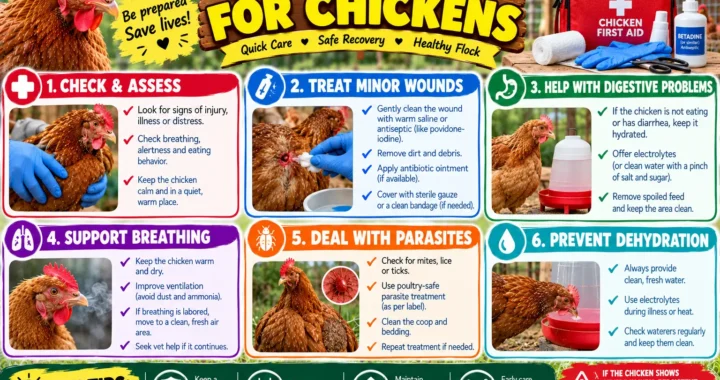
- Isolate affected birds to reduce further spread
- Provide clean, fresh water with electrolytes
- Keep birds warm and in a low-stress, well-ventilated space
- Offer easily digestible feed during recovery
- Improve overall coop ventilation and reduce ammonia buildup
Cause-Specific Treatment
| Cause Type | Treatment Approach |
| Viral (IBV, Newcastle, ILT) | No direct cure; supportive care, vet-guided management |
| Mycoplasma gallisepticum | Vet-prescribed antibiotics can reduce symptoms, though it doesn’t fully clear the organism |
| Bacterial (coryza, E. coli) | Vet-prescribed antibiotics based on diagnosis |
| Environmental | Improve ventilation, reduce ammonia, remove stressors |
Warning: Antibiotics are not effective against viral causes of chicken respiratory infection. Using them without a confirmed bacterial cause won’t help and may contribute to resistance issues over time.
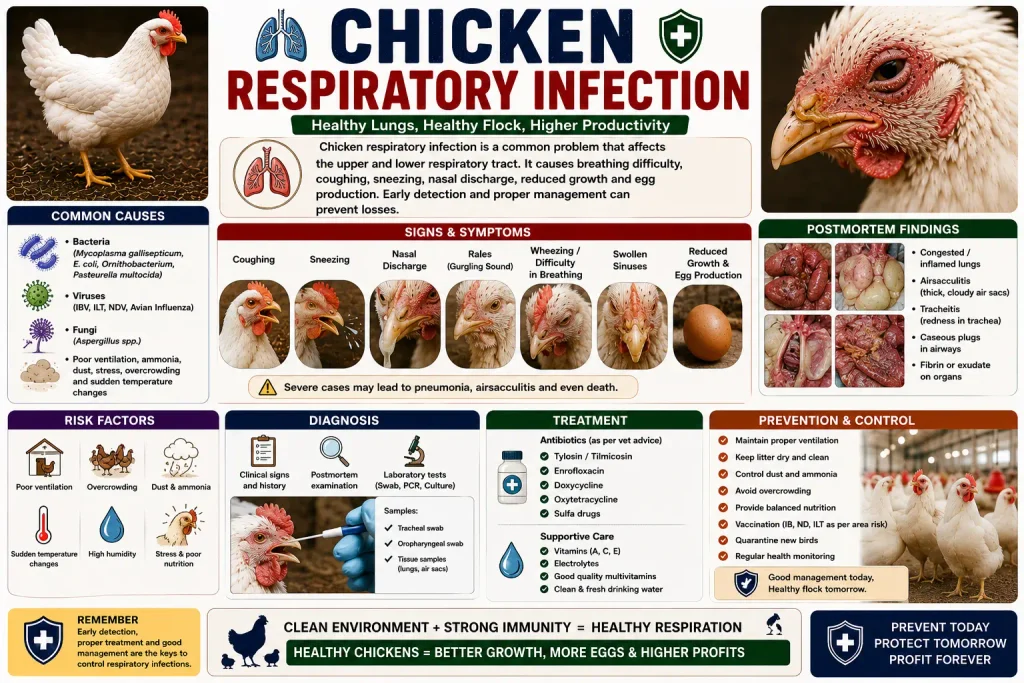
Step-by-Step Response Plan
- Isolate any bird showing respiratory symptoms immediately
- Observe closely for 24–48 hours to gauge severity and progression
- Improve coop ventilation and check for ammonia buildup
- Offer supportive care: clean water, electrolytes, warmth
- Contact a vet if symptoms are moderate to severe or spreading to other birds
- Follow prescribed treatment exactly if a bacterial cause is confirmed
- Monitor the rest of the flock closely for early signs over the following 1–2 weeks
- Disinfect shared equipment like waterers and feeders during the outbreak
Common Mistakes When Managing Chicken Respiratory Infection
Common Mistakes:
- Assuming all respiratory symptoms need antibiotics, even when the cause is viral
- Skipping isolation, allowing the infection to spread through the whole flock
- Ignoring poor ventilation as a contributing or standalone cause
- Introducing new birds without quarantine, risking a fresh outbreak
- Waiting too long to seek veterinary input on moderate to severe cases
When to Call a Vet
When to Call a Vet:
- A bird shows labored or open-mouth breathing
- Facial swelling or significant discharge appears
- Multiple birds show symptoms within a short window
- Symptoms don’t improve within a few days of supportive care
- You suspect a serious viral cause like Newcastle disease or infectious laryngotracheitis
Veterinary involvement is especially important for suspected reportable diseases in some regions, since certain viral respiratory illnesses in poultry are tracked by agricultural authorities. The USDA and AVMA both provide guidance on recognizing and reporting serious poultry disease outbreaks where required.
Preventing Chicken Respiratory Infection
Coop Environment
- Ensure good ventilation without creating cold drafts
- Keep bedding dry to reduce ammonia buildup
- Avoid overcrowding, which increases stress and disease transmission
- Clean and disinfect feeders and waterers regularly
Flock Management
- Quarantine new birds for at least 2–4 weeks before introducing them
- Avoid mixing birds from unknown health backgrounds without a quarantine period
- Reduce unnecessary stress, such as sudden diet changes or overcrowding
- Consider vaccination against common viral causes like infectious bronchitis, especially in larger flocks or high-risk areas
Can Chicken Respiratory Infection Spread to Humans?
Most chicken respiratory disease-causing organisms are species-specific and don’t infect humans in typical backyard settings. However, general hygiene, like washing hands after handling sick birds, remains a sensible precaution, and any suspected reportable disease should be discussed with a vet or local agricultural extension office.
Can Chickens Fully Recover From a Respiratory Infection?
Many birds recover well with prompt supportive care, especially for milder viral causes or environmental triggers. Some causes, like Mycoplasma gallisepticum, can lead to a carrier state where the bird appears healthy but may still harbor and occasionally shed the organism, particularly during stress.
FAQ: People Also Ask About Chicken Respiratory Infection
What causes respiratory infection in chickens? Common causes include viruses like infectious bronchitis and Newcastle disease, bacteria-like organisms such as Mycoplasma gallisepticum, bacterial infections like infectious coryza, and environmental factors like ammonia buildup.
What are the symptoms of chicken respiratory disease? Symptoms include sneezing, coughing, nasal discharge, labored breathing, facial swelling, and reduced egg production.
Can chicken respiratory infection be treated at home? Mild cases often respond to supportive care like isolation, clean water, and better ventilation, but moderate to severe cases need veterinary diagnosis and treatment.
Is chicken respiratory infection contagious to other birds? Yes, most causes spread easily between birds through airborne droplets, direct contact, or shared equipment.
How long does a chicken respiratory infection last? Duration varies by cause. Mild cases may resolve within a week, while chronic causes like Mycoplasma gallisepticum can persist or recur over a longer period.
Should I vaccinate my flock against respiratory diseases? Vaccination is commonly recommended for infectious bronchitis and other viral causes, especially for larger flocks or areas with known outbreak risk, and a vet can help determine the right vaccination plan.
Wrapping Up: Responding to Chicken Respiratory Infection
Chicken respiratory infection can come from a range of causes, from mild environmental irritation to serious viral outbreaks, and telling them apart early makes a real difference in how a case unfolds. Isolating sick birds quickly, improving coop ventilation, and knowing when antibiotics actually apply are the core pieces of managing any respiratory disease in chickens.
Watch your flock closely for early signs like sneezing or discharge, and don’t wait if breathing becomes labored or symptoms spread to multiple birds. A vet can confirm the exact cause and guide you toward the right treatment, especially for cases that don’t improve with basic supportive care alone.
5. FAQ Section (Structured)
Q: What is a chicken respiratory infection? A: It’s an illness affecting a chicken’s airways, caused by viruses, bacteria, mycoplasma organisms, or environmental irritants like ammonia.
Q: What are common signs of respiratory infection in chickens? A: Signs include sneezing, coughing, nasal or eye discharge, labored breathing, and reduced appetite or egg production.
Q: How is chicken respiratory disease treated? A: Treatment depends on the cause. Supportive care helps all cases, while bacterial infections may need vet-prescribed antibiotics; viral causes have no direct cure.
Q: Can I prevent chicken respiratory infection in my flock? A: Yes, largely through good ventilation, clean bedding, quarantine for new birds, and vaccination against common viral causes where appropriate.