Chicken Respiratory Infection Treatment: A Practical Recovery Plan

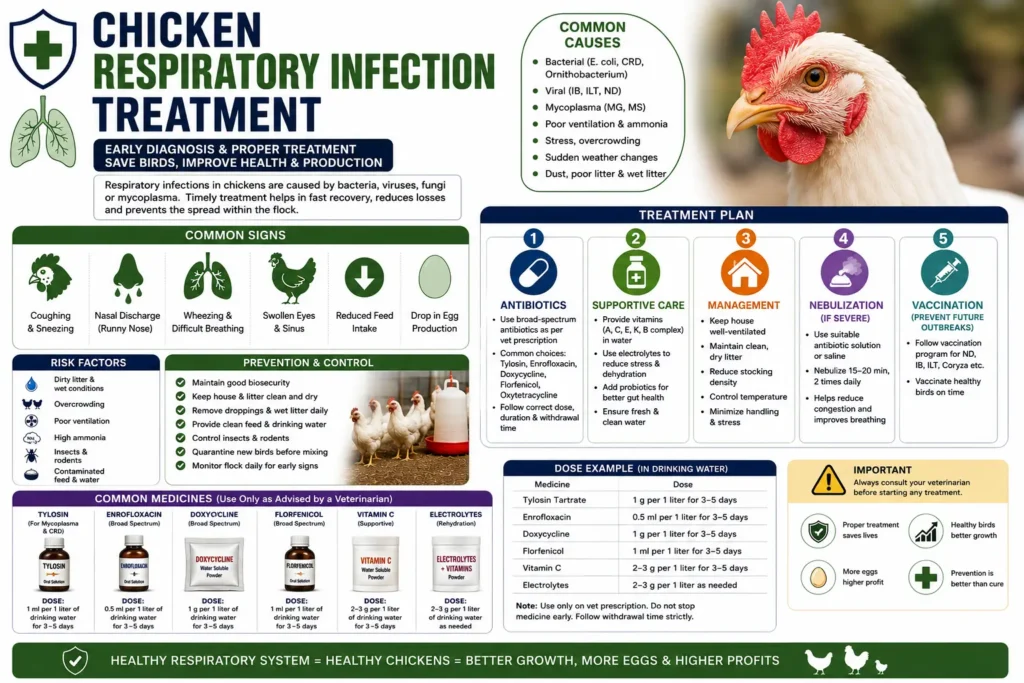
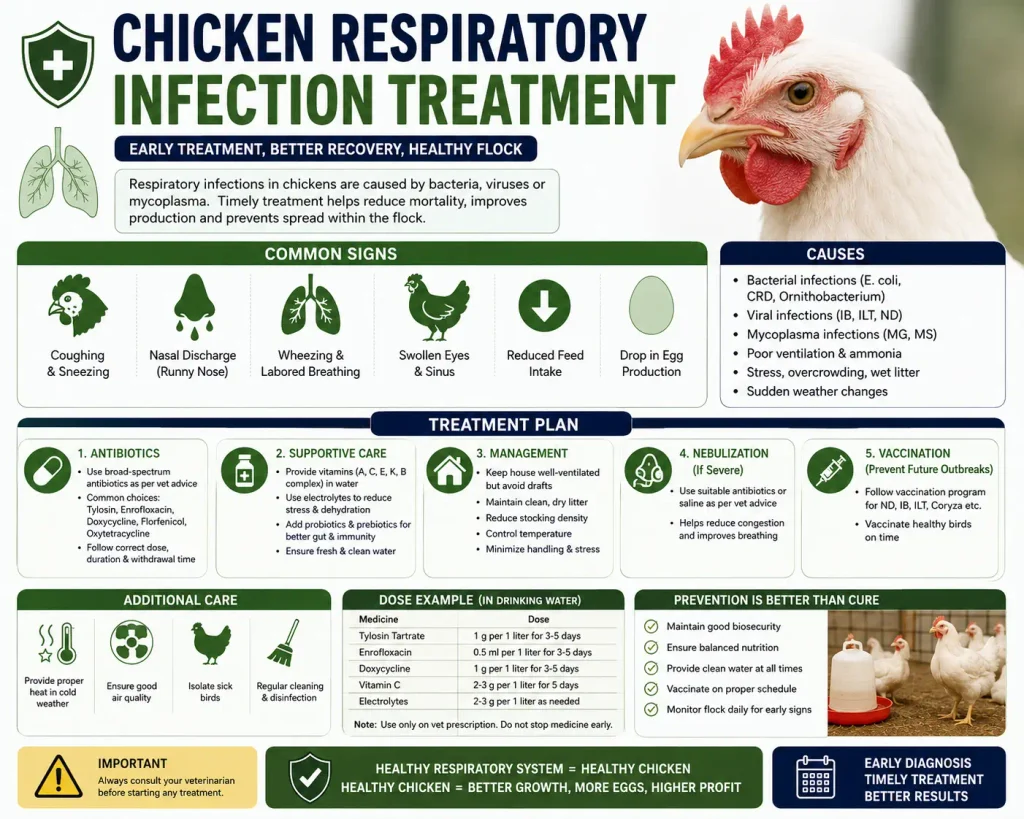
Quick Answer: Chicken respiratory infection treatment starts with isolating the sick bird and providing supportive care: warmth, hydration, and clean air. Beyond that, treatment depends heavily on the cause. Bacterial infections may respond to vet-prescribed antibiotics, while viral causes have no direct cure and rely on supportive management until the bird’s immune system clears the infection. Getting this distinction right matters more than reaching for medication automatically.
If you’ve got a sick chicken breathing hard, sneezing, or showing nasal discharge, you’re probably wondering what actually helps right now. The honest answer is that effective chicken respiratory infection treatment depends on identifying, or at least reasonably narrowing down, what’s causing it, since viral and bacterial causes need very different approaches.
This guide walks through supportive care every sick bird needs, treatment options by likely cause, step-by-step nursing care, and clear guidance on when a vet needs to get involved.
Table of Contents
Why Treatment Isn’t One-Size-Fits-All
Chicken respiratory disease can come from viruses like infectious bronchitis, bacteria-like organisms such as Mycoplasma gallisepticum, straightforward bacterial infections, or non-infectious causes like ammonia buildup. Since these have different underlying mechanisms, respiratory disease treatment approaches differ significantly between them.
This is the biggest mistake owners make: reaching for antibiotics automatically. Antibiotics only work against bacterial causes and do nothing for viral infections, which make up a large share of respiratory illness in backyard flocks.
Read More: https://lashegg.com/respiratory-infection-symptoms-chickens/
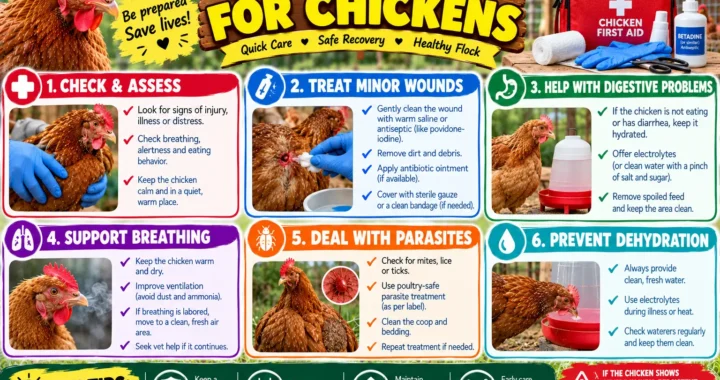
Step One: Supportive Care for Any Sick Chicken Breathing Difficulty
Regardless of the exact cause, every bird showing respiratory symptoms benefits from the same foundational care.
- Isolate the bird immediately in a warm, quiet, low-stress space
- Provide clean water with poultry-safe electrolytes to prevent dehydration
- Offer easily digestible feed to support energy without straining the digestive system
- Ensure good airflow in the recovery space without creating a cold draft
- Minimize handling to reduce stress during recovery
- Monitor breathing, appetite, and droppings daily
Expert Tip: A gentle, low-stress environment matters more than most owners realize. Stress hormones can suppress immune response, slowing recovery even when medication is being used correctly.
Chicken Respiratory Infection Treatment by Likely Cause
Viral Causes (Infectious Bronchitis, Newcastle Disease, ILT)
There is no direct antiviral cure for these infections in backyard settings. Treatment relies entirely on supportive care while the bird’s immune system fights off the virus. Recovery time varies, and severity can range from mild to serious depending on the specific viral strain.
Mycoplasma gallisepticum (Chronic Respiratory Disease)
A vet may prescribe antibiotics such as tylosin or enrofloxacin, which can reduce symptom severity and shedding, though they typically don’t fully eliminate the organism from the bird’s system. This is why MG-positive birds may need ongoing management rather than a single treatment course.
Bacterial Infections (Infectious Coryza, E. coli)
Vet-prescribed antibiotics based on a confirmed or strongly suspected bacterial cause are the standard treatment approach, often alongside the same supportive care used for viral cases egg,
Environmental Causes (Ammonia, Dust, Poor Ventilation)
Treatment here focuses on fixing the environment itself: improving ventilation, changing bedding more frequently, and reducing dust exposure, rather than medicating the bird directly.
Chicken Respiratory Infection Treatment Options Compared
| Cause | Treatment Approach | Antibiotics Effective? |
| Viral (IBV, Newcastle, ILT) | Supportive care only | No |
| Mycoplasma gallisepticum | Vet-prescribed antibiotics + supportive care | Partially (reduces symptoms) |
| Bacterial (coryza, E. coli) | Vet-prescribed antibiotics + supportive care | Yes |
| Environmental | Fix ventilation/bedding | Not applicable |
Warning: Never start antibiotics without at least a reasonable suspicion of a bacterial cause, ideally confirmed by a vet. Unnecessary antibiotic use doesn’t help viral infections and can contribute to resistance over time.
Step-by-Step Nursing Care for a Sick Chicken
- Set up a separate, warm, draft-free recovery space
- Offer electrolyte water at all times, changed daily
- Encourage eating with soft, easily digestible feed if appetite is reduced
- Keep the recovery area clean and well-ventilated
- Check breathing sounds, discharge, and appetite at least twice daily
- Follow any vet-prescribed medication exactly as directed, completing the full course
- Gradually reintroduce the bird to the flock only once fully recovered and no longer showing symptoms
Recovery Timeline Overview
| Timeframe | What to Expect |
| Day 1–2 | Isolate, begin supportive care, contact vet if moderate/severe |
| Day 3–5 | Mild cases often show improved energy and reduced discharge |
| Week 1–2 | Continued monitoring; chronic causes may show slower improvement |
| Beyond 2 weeks | Persistent symptoms warrant a vet recheck and possible retesting |
Common Mistakes During Chicken Respiratory Infection Treatment
Common Mistakes:
- Giving antibiotics automatically without considering whether the cause is viral
- Returning a recovering bird to the flock too soon, risking reinfection or continued spread
- Ignoring environmental contributors like ammonia while focusing only on medication
- Stopping a prescribed antibiotic course early once symptoms improve
- Skipping isolation, allowing the infection to spread while treatment is underway
Do Home Remedies Help With Chicken Breathing Problems?
Some owners use steam or humidity to ease breathing discomfort, similar to home care approaches used for humans with mild congestion. While this may offer some comfort for mild cases, it’s not a substitute for identifying and addressing the underlying cause, especially for moderate to severe symptoms.
Did You Know? Improving coop ventilation alone resolves many mild, environmentally caused respiratory symptoms without any medication being needed at all.
When to Call a Vet
When to Call a Vet:
- Symptoms are moderate to severe, including labored breathing or facial swelling
- Multiple birds are affected at the same time
- Supportive care alone hasn’t improved symptoms within a few days
- You suspect a bacterial cause and want to confirm before starting antibiotics
- Symptoms include nervous system signs, which could suggest Newcastle disease
A vet can run diagnostic testing to identify the specific cause, which directly shapes the right chicken respiratory infection treatment plan rather than relying on guesswork. This is especially important for flocks with recurring outbreaks, according to guidance found in the Merck Veterinary Manual and supported by peer-reviewed poultry health research.
Can a Chicken Fully Recover From a Respiratory Infection?
Many birds recover well, especially from mild viral cases or environmentally triggered symptoms, once proper supportive care and, where needed, targeted treatment are in place. Chronic causes like Mycoplasma gallisepticum may lead to a carrier state, where the bird looks healthy long-term but can still shed the organism during periods of stress.
How Long Does Recovery From a Respiratory Infection Take?
Mild cases often show clear improvement within about a week of starting supportive care. More severe or chronic cases can take several weeks, and some chronic infections may never fully clear from the bird’s system even after symptoms resolve.
FAQ: People Also Ask About Chicken Respiratory Infection Treatment
What is the best treatment for a chicken respiratory infection? Treatment depends on the cause. Supportive care, including isolation, hydration, and warmth, helps all cases, while antibiotics only help confirmed or suspected bacterial causes.
Can I treat sick chicken breathing problems at home? Mild cases often respond well to supportive home care, but moderate to severe breathing difficulty needs veterinary evaluation.
Do antibiotics work for chicken respiratory disease? Only for bacterial causes. Viral respiratory infections don’t respond to antibiotics and need supportive care instead.
How long does chicken respiratory infection treatment take? Mild cases often improve within a week, while chronic or severe cases can take several weeks and may require ongoing management.
Should I separate a sick chicken from the flock during treatment? Yes. Isolating a symptomatic bird helps prevent the infection from spreading to the rest of the flock during recovery.
Can respiratory infections in chickens come back after treatment? Yes, particularly with chronic causes like Mycoplasma gallisepticum, which can flare up again during stress even after initial improvement.
Wrapping Up: Approaching Chicken Respiratory Infection Treatment the Right Way
Chicken respiratory infection treatment isn’t about reaching for one universal fix. Supportive care helps every sick bird, but the right next step depends on whether you’re dealing with a viral infection, a bacterial one, or an environmental trigger like poor ventilation.
Keep a close eye on breathing, appetite, and discharge during recovery, and don’t hesitate to bring in a vet for moderate to severe cases or when multiple birds are affected. Getting the treatment approach right the first time gives your flock the best shot at a full, lasting recovery.
5. FAQ Section (Structured)
Q: What does chicken respiratory infection treatment usually involve? A: It typically involves isolation, supportive care like electrolytes and warmth, and, when a bacterial cause is confirmed, vet-prescribed antibiotics.
Q: Is respiratory disease treatment different for viral vs. bacterial causes? A: Yes. Bacterial causes may respond to antibiotics, while viral causes rely entirely on supportive care since no direct antiviral treatment exists for backyard flocks.
Q: How do I care for a sick chicken breathing heavily? A: Isolate the bird, keep it warm and calm, provide electrolyte water, and contact a vet if breathing is labored or symptoms worsen.
Q: When should I stop treatment for a respiratory infection? A: Complete any prescribed medication course fully, and only reintroduce the bird to the flock once symptoms have fully resolved.