Supplements for Healthy Hens: A No-Nonsense Guide

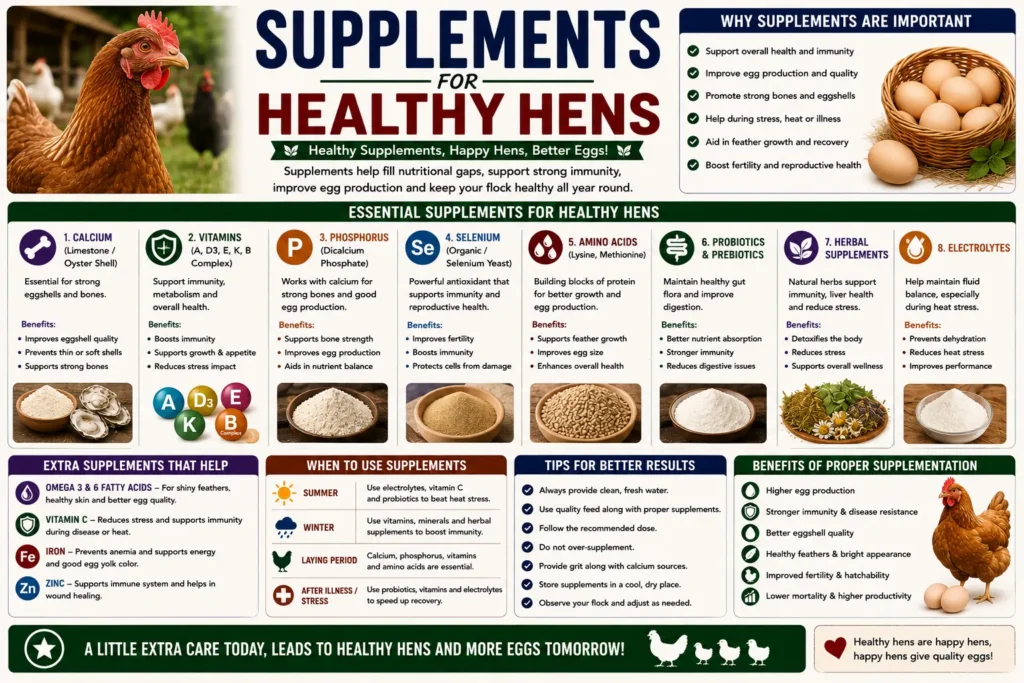
Supplements for healthy hens fill feed store shelves, but not all of them earn their price tag. Some, like probiotics and specific vitamins, have real, evidence-backed benefits for backyard flocks. Others are marketed heavily with little to back them up. This guide sorts out which supplements genuinely support your flock’s health and which ones you can skip.
A complete layer feed already covers most of a hen’s nutritional needs. Supplements come in to fill specific gaps — during stress, illness recovery, molting, or when a flock’s diet isn’t fully balanced.
Table of Contents
Quick Answer
The most useful supplements for healthy hens include calcium (oyster shell), probiotics for gut health, vitamin D3 for calcium absorption, and electrolytes during heat stress or illness recovery. Most healthy hens on a complete layer feed don’t need a long list of extras beyond these basics.
Read More: https://lashegg.com/best-feed-for-reproductive-health/
Do Hens on a Complete Feed Need Supplements at All?
If your flock eats a nutritionally complete, age-appropriate layer feed, they’re already getting balanced protein, vitamins, and minerals. Supplements for healthy hens become most useful in specific situations rather than as a daily default:
- During or after illness, injury, or surgery
- During extreme heat or cold stress
- During molting, when feather regrowth demands extra protein and nutrients
- For hens with a history of reproductive or digestive issues
- When treats or scratch grains make up a larger share of the diet than recommended
Did You Know?
Feeding too many supplements alongside a complete layer feed can sometimes create nutrient imbalances rather than fixing a deficiency, especially with fat-soluble vitamins like A and D, which the body stores rather than excretes.
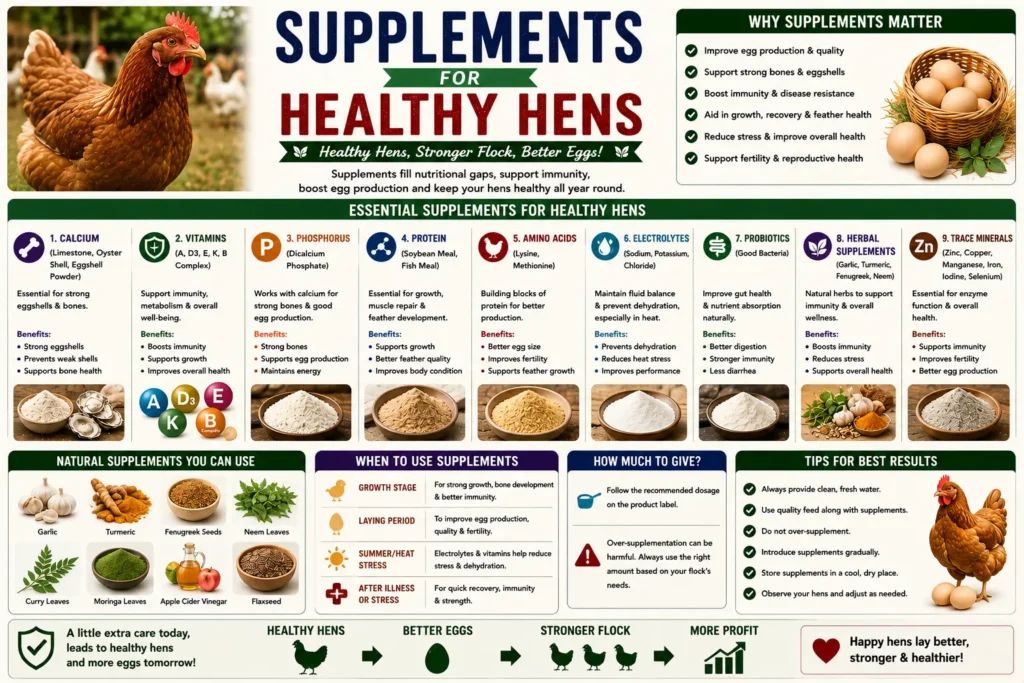
The Most Useful Supplements for Healthy Hens
Calcium (Oyster Shell)
Free-choice oyster shell remains one of the most valuable supplements for healthy hens, especially older or heavy-laying birds. Offering it separately from feed lets each hen regulate her own intake based on need, rather than forcing extra calcium on non-laying or younger birds through the feed itself. egg
Probiotics
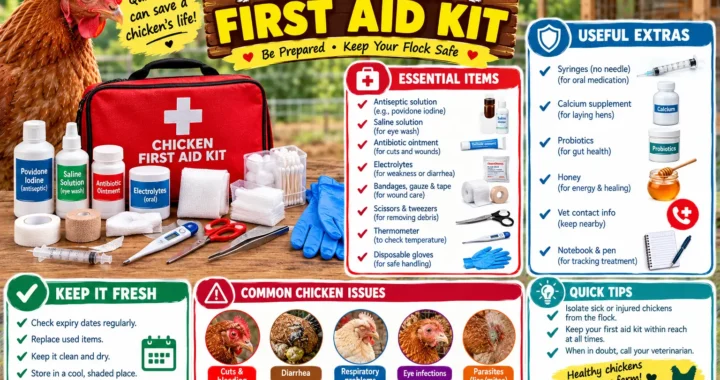
Probiotics support gut health by encouraging beneficial bacteria populations, which can improve digestion, nutrient absorption, and even immune resilience. They’re particularly useful after antibiotic treatment, during stress events, or when introducing new birds to a flock.
Vitamin D3
Vitamin D3 is essential for calcium absorption. Flocks with limited outdoor sun exposure, especially in winter months or in mostly-covered runs, may benefit from a D3 supplement to support proper calcium use.
Electrolytes
Electrolyte supplements help hens recover from heat stress, illness, or the aftermath of a stressful event like a predator scare or transport. They’re commonly used short-term rather than as an everyday addition.
Vitamin E and Selenium
This pairing supports immune function and reproductive tissue health, and is sometimes recommended during recovery from illness or for flocks in selenium-deficient soil regions.
Apple Cider Vinegar
Often added to water as a general wellness supplement, apple cider vinegar has limited scientific backing for chickens specifically, though many keepers use it as a mild, low-risk addition. It shouldn’t replace probiotics or targeted nutrition when a specific issue needs addressing.
Supplements for Healthy Hens: What’s Worth It vs. What Isn’t
| Supplement | Evidence-Based Benefit | Best Use Case |
| Oyster shell (calcium) | Strong | Ongoing, free-choice for laying hens |
| Probiotics | Moderate to strong | Post-antibiotic, stress periods, new bird introductions |
| Vitamin D3 | Strong (paired with calcium) | Limited sun exposure, winter months |
| Electrolytes | Strong (short-term) | Heat stress, illness recovery, transport |
| Vitamin E/Selenium | Moderate | Illness recovery, deficient soil regions |
| Apple cider vinegar | Limited/anecdotal | General wellness, low-risk addition |
| “All-in-one” mega-vitamin blends | Variable | Only if diet has a specific documented gap |
Expert Tip
Rather than supplementing broadly “just in case,” identify the specific gap first — is it calcium, gut health, or stress recovery? Targeted supplementation is more effective and avoids the risk of overloading fat-soluble vitamins.
Probiotics and Vitamins: How They Support Immune Health
Gut health and immune function are closely linked in poultry, much like in other animals. A healthy gut microbiome, supported by probiotics, helps hens resist opportunistic infections and process nutrients more efficiently. Vitamins A, D3, and E each play a documented role in immune resilience, according to nutrition guidance referenced by university extension poultry programs.
This is particularly relevant for flocks recovering from illness, since a compromised gut or vitamin deficiency can slow healing and make hens more vulnerable to secondary infections.
When to Call a Vet
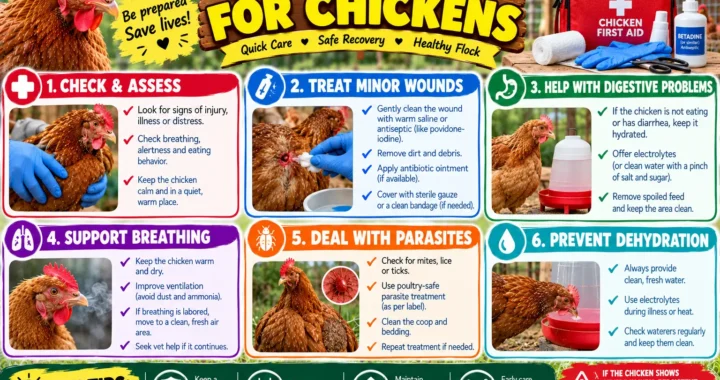
Supplements support general wellness, but they aren’t a substitute for veterinary care. If a hen shows persistent illness signs — lethargy, appetite loss, abnormal droppings, or labored breathing — contact a poultry-experienced vet rather than relying on supplements alone to resolve the issue.
Step-by-Step: Introducing a New Supplement Safely
- Identify the specific need — calcium, gut health, immune support, or stress recovery.
- Choose a poultry-specific product rather than assuming human or other livestock supplements are safe substitutes.
- Start with the recommended dose on the label rather than doubling up “to be safe.”
- Introduce one supplement at a time so you can track its effect.
- Monitor droppings, appetite, and behavior for a week after introducing anything new.
- Discontinue and consult a vet if you notice any negative reaction, such as diarrhea or reduced appetite.
Supplements During Specific Life Stages and Situations
| Situation | Recommended Supplement Focus |
| Molting | Extra protein source; some keepers add B-vitamins |
| Post-antibiotic treatment | Probiotics to restore gut bacteria balance |
| Heat stress | Electrolytes, extra fresh water access |
| Winter with limited sunlight | Vitamin D3 |
| New flock introductions | Probiotics to reduce stress-related digestive upset |
| Recovering from illness or surgery | Vitamin E/selenium, probiotics, higher protein |
| Older, less active hens | Continued oyster shell; reduced excess protein |
Common Mistakes Keepers Make
- Assuming more supplements always means better health, when excess of some vitamins can cause harm
- Using human vitamin supplements not formulated or dosed for poultry
- Skipping the underlying issue (poor diet, dirty coop, stress) and relying on supplements to compensate
- Not reading labels for dosage accuracy, especially with concentrated liquid vitamins
- Discontinuing supplements too early during a recovery period, before the intended benefit has had time to show
Warning
Fat-soluble vitamins, including A, D, and E, can build up to harmful levels if overdosed, unlike water-soluble vitamins that are more easily excreted. Stick to labeled dosages and avoid combining multiple concentrated vitamin products without guidance.
Natural vs. Commercial Supplements
| Type | Examples | Considerations |
| Commercial poultry supplements | Probiotic powders, vitamin/electrolyte mixes | Dosing is standardized and tested for poultry |
| Natural/whole-food additions | Plain yogurt (small amounts), garlic, herbs | Limited dosing precision; some benefits are anecdotal |
| Fermented feed | Fermented grains or layer feed | May support gut health, but requires proper preparation to avoid mold risk |
Natural additions can complement a diet, but they shouldn’t replace targeted commercial supplements when addressing a specific, documented need like calcium deficiency or post-illness gut recovery.
People Also Ask
Do backyard chickens really need supplements? Not always. Hens on a complete, age-appropriate layer feed often don’t need daily supplements. Supplements for healthy hens become more valuable during specific situations like stress, illness recovery, or limited sun exposure.
Are probiotics safe for all chickens? Yes, probiotics are generally safe and well-tolerated, including for chicks, laying hens, and recovering birds. They’re especially useful after antibiotic treatment, which can disrupt normal gut bacteria.
Can too many vitamins harm a chicken? Yes. Overdosing fat-soluble vitamins like A, D, and E can lead to toxicity over time, since these vitamins build up in the body rather than being excreted like water-soluble ones.
What’s the best supplement for a molting chicken? Extra protein is the most important factor during molting, since feathers are largely made of protein. Some keepers also add B-vitamin supplements to support the process, though a higher-protein feed often covers most of the need.
Do supplements help prevent illness in chickens? Certain supplements, like probiotics and adequate vitamin D3, can support immune resilience, but they aren’t a guarantee against illness. Good sanitation, nutrition, and stress management remain the foundation of flock health.
Final Thoughts
Supplements for healthy hens work best when they’re targeted rather than added indiscriminately. Calcium, probiotics, vitamin D3, and electrolytes cover most real-world needs for backyard flocks, especially during stress, illness recovery, or seasonal changes in sunlight. Watch your flock’s behavior and egg quality for signs that something’s off, and check with a poultry-experienced vet before combining multiple supplements or addressing a persistent health concern.
FAQ
Q: What are the most important supplements for healthy hens? A: Oyster shell for calcium, probiotics for gut health, vitamin D3 for calcium absorption, and electrolytes during stress or illness cover the majority of real supplement needs for backyard flocks.
Q: Can I give my chickens human probiotics or vitamins? A: It’s better to use poultry-specific products, since dosing and ingredient safety can differ between species. Poultry-formulated supplements are tested and labeled for the right amounts.
Q: How do I know if my hens need probiotics? A: Probiotics are especially useful after antibiotic treatment, during stress events like moving or introducing new birds, or if you notice digestive upset such as loose droppings without another clear cause.
Q: Is it safe to give supplements every day? A: Some, like free-choice oyster shell, are safe as a constant option since hens self-regulate intake. Others, like concentrated vitamin blends or electrolytes, are best used short-term for a specific situation rather than continuously.
Q: Can supplements replace a good layer feed? A: No. Supplements for healthy hens are meant to fill specific gaps, not replace a nutritionally complete layer feed, which should remain the foundation of your flock’s diet.