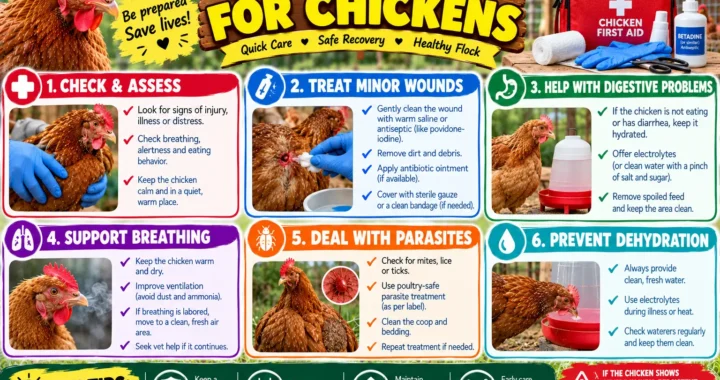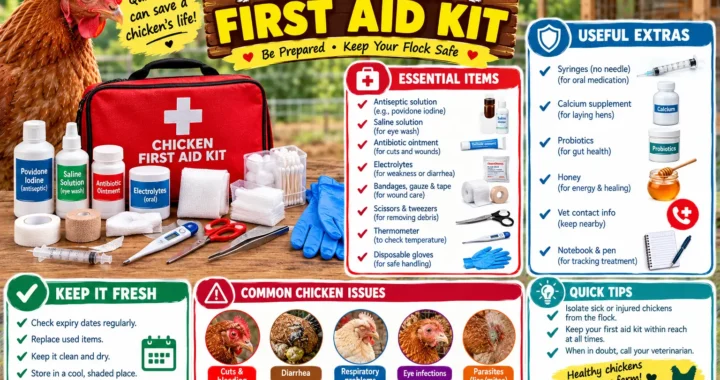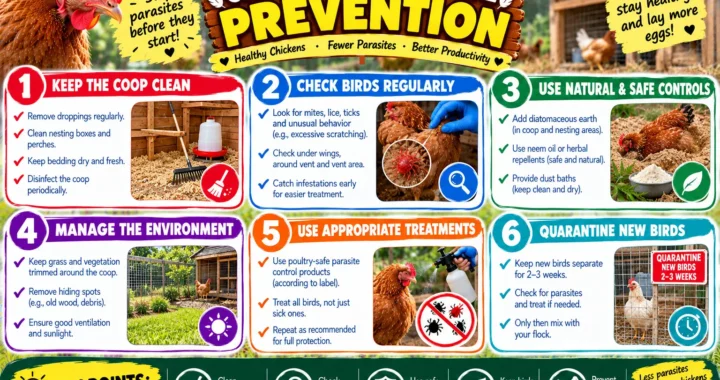
Swollen Abdomen in Chickens: Causes, Warning Signs, and What to Do

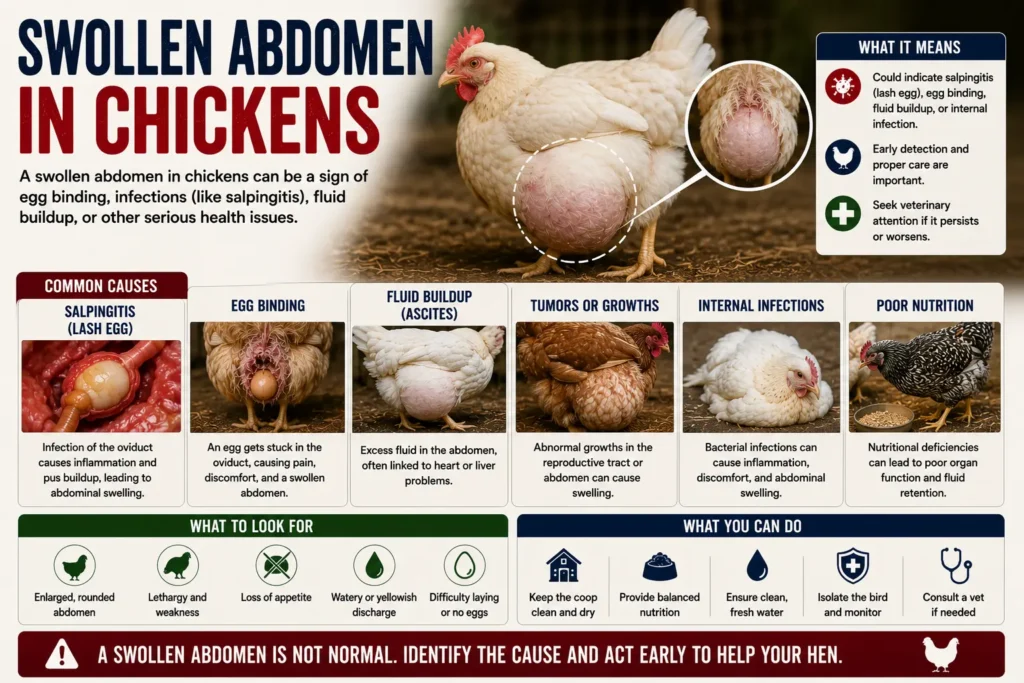
If you’ve pressed your hand against your hen’s belly and felt something tight, round, or fluid-filled that wasn’t there before, a swollen abdomen in chickens is one of the clearest signs that something internal has gone wrong. It’s rarely a minor issue. This guide walks through every likely cause, how to tell them apart, and exactly when home care isn’t enough.
A swollen abdomen in chickens can come from several different problems, ranging from a stuck egg to a serious internal infection. Some causes are manageable at home. Others need a vet fast. The tricky part is that many of these conditions look almost identical from the outside, so knowing what else to check for matters just as much as noticing the swelling itself.
Table of Contents
Recognizing a Swollen Abdomen in Chickens
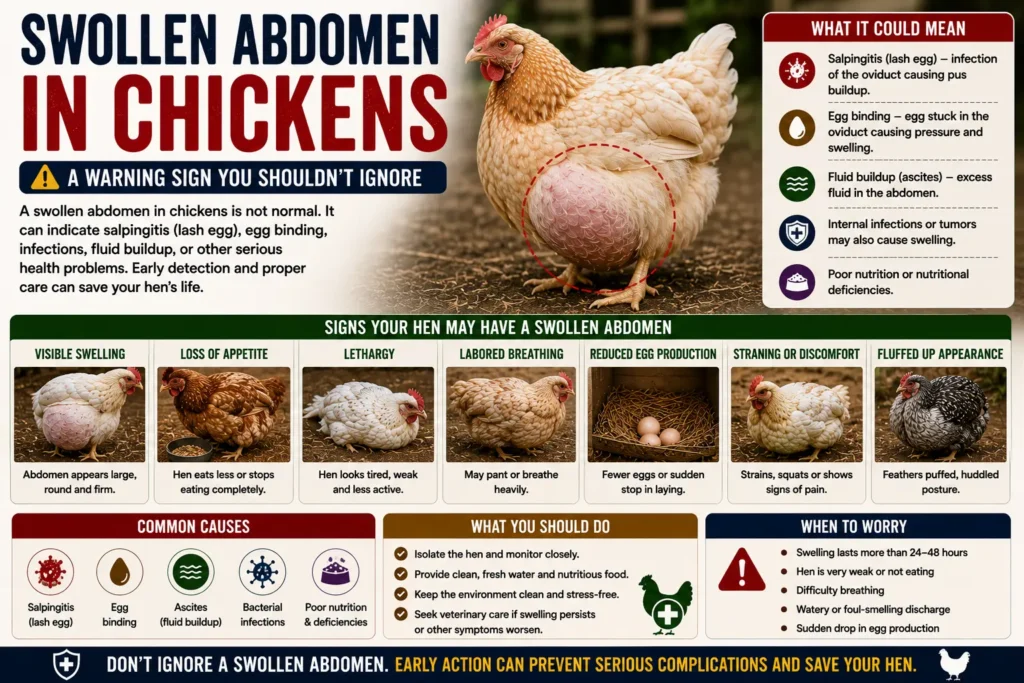
A healthy hen’s abdomen should feel soft, flat, and give slightly under gentle pressure. When you’re dealing with a swollen abdomen in chickens, the belly often feels firm, tight, or fluid-filled, and it may visibly bulge outward when you look at her from above or behind.
Common signs that go along with the swelling include:
- A wider, rounder stance than usual, sometimes called a “penguin stance”
- Reluctance to walk far or jump onto roosts
- Reduced or stopped egg-laying
- Labored or heavier breathing
- Pale comb and wattles
- Lethargy or hiding away from the flock
- Loss of appetite over several days
- Fluid that sloshes slightly when you gently move her (a sign of ascites)
Read More: https://lashegg.com/early-signs-of-salpingitis-in-chickens/
H3: How to Check for a Swollen Abdomen in Chickens at Home
Hold your hen gently but firmly, supporting her body, and place two fingers just below the vent, between the pelvic bones. A normal abdomen feels soft and slightly springy. Firmness, heat, or a hard round mass suggests fluid buildup, an egg blockage, or a growth, and any of these findings means it’s time to call a vet rather than wait it out.
<div class=”callout quick-answer”> <strong>Quick Answer:</strong> A swollen abdomen in chickens usually points to one of four things: egg binding, internal laying, salpingitis with egg peritonitis, or fluid buildup from organ disease. All four need prompt attention, and some are medical emergencies. </div>
What Causes a Swollen Abdomen in Chickens?
Abdominal swelling is a symptom, not a diagnosis on its own. Several different conditions can produce it, and telling them apart usually needs a vet’s exam.
| Cause | What’s Happening | Urgency |
| Egg binding | An egg is stuck in the oviduct and can’t pass | Emergency |
| Internal laying | Yolk drops into the abdomen instead of the oviduct | Urgent |
| Salpingitis / egg peritonitis | Bacterial infection of the oviduct, often with pus buildup | Emergency |
| Ascites (“water belly”) | Fluid accumulates in the abdominal cavity, often tied to heart or liver disease | Urgent |
| Ovarian or abdominal tumors | Abnormal tissue growth putting pressure on organs | Variable, often chronic |
| Obesity or fatty liver | Excess fat buildup in and around organs | Manageable with diet change |
According to the Merck Veterinary Manual, reproductive tract disorders are among the most frequent causes of abdominal distension in laying hens, particularly in high-production breeds under two to three years old.
<div class=”callout did-you-know”> <strong>Did You Know?</strong> A hen can develop a swollen abdomen without ever having a shell-covered egg stuck inside her. If a yolk releases into her body cavity instead of the oviduct, her immune system reacts to it as a foreign substance, causing inflammation and swelling. </div>
Egg Binding: A Common and Urgent Cause
Egg binding happens when an egg gets stuck in the lower oviduct or vent. It’s more common in young pullets just starting to lay, overweight hens, and hens laying unusually large or soft-shelled eggs.
Signs specific to egg binding include:
- Visible straining, similar to a hen trying to lay
- A firm, egg-shaped mass felt near the vent
- Frequent trips to the nest box without producing an egg
- Wide-legged, penguin-like stance
- Depression and lethargy within 24–48 hours if untreated
<div class=”callout warning”> <strong>Warning:</strong> Egg binding can become fatal within 48 hours if the egg presses on major blood vessels or nerves. A hen showing straining plus a swollen abdomen needs same-day veterinary attention. </div>
Salpingitis and Egg Peritonitis
When bacteria infect the oviduct, the resulting inflammation is called salpingitis. Left untreated, it frequently progresses into egg-related peritonitis, where pus, yolk material, and inflammatory fluid build up inside the abdominal cavity. This is one of the most common reasons for a swollen abdomen in chickens over the age of two, particularly in heavy-laying hybrid breeds.
Hens with this condition often show:
- A gradually swelling belly over days or weeks, not overnight
- A drop in egg production before the swelling appears
- Finding a “lash egg” — a solid mass of pus and tissue — in the nest box
- General decline in energy and appetite
Ascites (“Water Belly”) in Chickens
Ascites is fluid buildup in the abdominal cavity, usually linked to heart or liver problems rather than the reproductive tract. It’s more common in fast-growing meat breeds and older hens with underlying organ disease.
| Feature | Egg-Related Swelling | Ascites (Water Belly) |
| Onset | Often gradual, tied to laying history | Can be gradual or sudden |
| Consistency | Firm, sometimes lumpy | Fluid-filled, sloshy feeling |
| Breed pattern | Common in laying hens | Common in fast-growing meat breeds |
| Underlying cause | Reproductive tract infection or blockage | Heart, liver, or lung disease |
| Breathing | Usually normal until advanced | Often labored early on |
H4: Is a Swollen Abdomen in Chickens Always Serious?
Almost always, yes. A one-off slightly fuller belly after a big meal isn’t cause for alarm, but any persistent, firm, or rapidly growing swelling in chickens should be checked by a vet. None of the common causes resolve well without intervention, and several are medical emergencies.
Diagnosing the Cause of Abdominal Swelling
A vet, ideally one experienced with poultry, typically uses a combination of these tools to find the cause:
- Physical palpation to assess firmness, location, and size of the swelling
- Weighing the hen and comparing to her recent healthy weight
- Ultrasound or X-ray to identify fluid, masses, or a retained egg
- Fluid aspiration to test for infection, blood, or yolk material
- Bloodwork to check for signs of infection or organ dysfunction
- History taking — recent laying patterns, diet, and flock health changes
University extension poultry health programs note that abdominal palpation combined with an accurate laying history is often enough to narrow down the likely cause before imaging is even needed.
Treatment Options
Treatment depends entirely on the underlying cause, so guessing and treating blindly rarely works.
| Cause | Typical Treatment |
| Egg binding | Warm baths, lubrication, gentle manual assistance, calcium support, vet-assisted extraction if needed |
| Internal laying / salpingitis | Antibiotics, anti-inflammatories, sometimes surgical removal of the oviduct |
| Ascites | Diuretics, fluid drainage, addressing the underlying heart or liver issue |
| Tumors | Surgical removal if operable, or supportive/palliative care |
| Obesity-related swelling | Gradual diet correction and increased activity |
<div class=”callout expert-tip”> <strong>Expert Tip:</strong> Never attempt to drain fluid from a hen’s abdomen yourself. It’s easy to puncture an organ, and repeated fluid buildup often signals a condition that needs ongoing veterinary management, not a one-time fix. </div>
H3: Home Care for a Hen With a Swollen Abdomen
While you wait for or arrange veterinary care, you can support your hen with the following steps:
- Isolate her from the flock to reduce stress and pecking
- Keep her warm, quiet, and in a low-stress environment
- Offer easy-to-digest food and fresh water
- Add calcium supplementation if egg binding is suspected
- Monitor droppings, appetite, and breathing every few hours
- Avoid handling her more than necessary, especially if she seems painful
<div class=”callout common-mistakes”> <strong>Common Mistakes:</strong> Waiting several days to see if swelling goes down, assuming it’s just weight gain, and trying home remedies for suspected egg binding without knowing the actual cause are the three mistakes that delay real treatment the most. </div> <div class=”callout when-to-call-a-vet”> <strong>When to Call a Vet:</strong> Call immediately if you notice labored breathing, a rapidly growing swollen abdomen in chickens, pale comb color, sudden collapse, or if the hen hasn’t eaten in over 24 hours. These signs suggest the underlying cause is advancing quickly. </div>
Prevention: Reducing the Risk of Abdominal Swelling
You can’t prevent every cause, but flock management choices meaningfully lower the risk:
- Feed a complete, balanced layer diet with proper calcium and protein levels
- Avoid letting hens become overweight, especially fast-growing meat breeds
- Provide clean, dry housing to limit bacterial exposure linked to salpingitis
- Reduce flock stress with adequate space and consistent lighting
- Watch older hens (2+ years) more closely for early reproductive changes
- Treat respiratory infections promptly, since they can spread internally
- Choose slower-laying or dual-purpose breeds if reproductive disease is a recurring flock problem
The USDA and several university poultry extension programs point to nutrition, biosecurity, and genetics as the three biggest factors flock owners can actually control when it comes to reproductive and organ-related disease.
Recovery and Long-Term Outlook
Hens treated early for egg binding usually recover fully and resume normal laying within days. Hens with salpingitis or egg peritonitis have a more variable outlook, and some require surgery or permanently stop laying. Ascites tied to heart or liver disease is often a chronic, ongoing condition rather than something that’s fully cured, and it usually needs long-term management rather than a single treatment.
Frequently Asked Questions
What does a swollen abdomen in chickens usually mean? It usually points to a reproductive issue like egg binding or salpingitis, though it can also come from fluid buildup (ascites) linked to heart or liver disease. A vet exam is the only reliable way to tell the causes apart.
Can a swollen abdomen in chickens go away on its own? Occasionally mild, temporary swelling resolves without treatment, but persistent or firm swelling almost always needs intervention. Waiting too long increases the risk of a fatal outcome, especially with egg binding or infection.
How can I tell if my hen has abdominal swelling in hens from fluid versus a stuck egg? A stuck egg usually feels like a firm, distinct mass near the vent, along with straining. Fluid buildup feels softer and can have a subtle sloshing quality, and it’s often accompanied by labored breathing rather than straining.
Is a swollen abdomen in chickens painful? Yes, most causes involve pressure on internal organs, inflammation, or infection, all of which cause discomfort. This is part of why affected hens become quiet, stop eating well, and isolate themselves from the flock.
Should I isolate a hen with a swollen belly from the rest of the flock? Yes. Isolation reduces stress, prevents other birds from pecking at her, and makes it easier to monitor her food, water, and droppings closely while you arrange veterinary care.
Can diet cause a swollen abdomen in chickens? Yes, indirectly. Poor calcium or protein levels can contribute to weak eggs and egg binding, while chronic overfeeding can lead to obesity and fatty liver, both of which can cause abdominal swelling over time.
At what age are hens most at risk for abdominal swelling? Young pullets just starting to lay are at higher risk for egg binding, while hens over two years old face a higher risk of salpingitis, egg peritonitis, and reproductive tumors.