Vent Gleet Causes: What’s Really Behind This Common Cloacal Infection

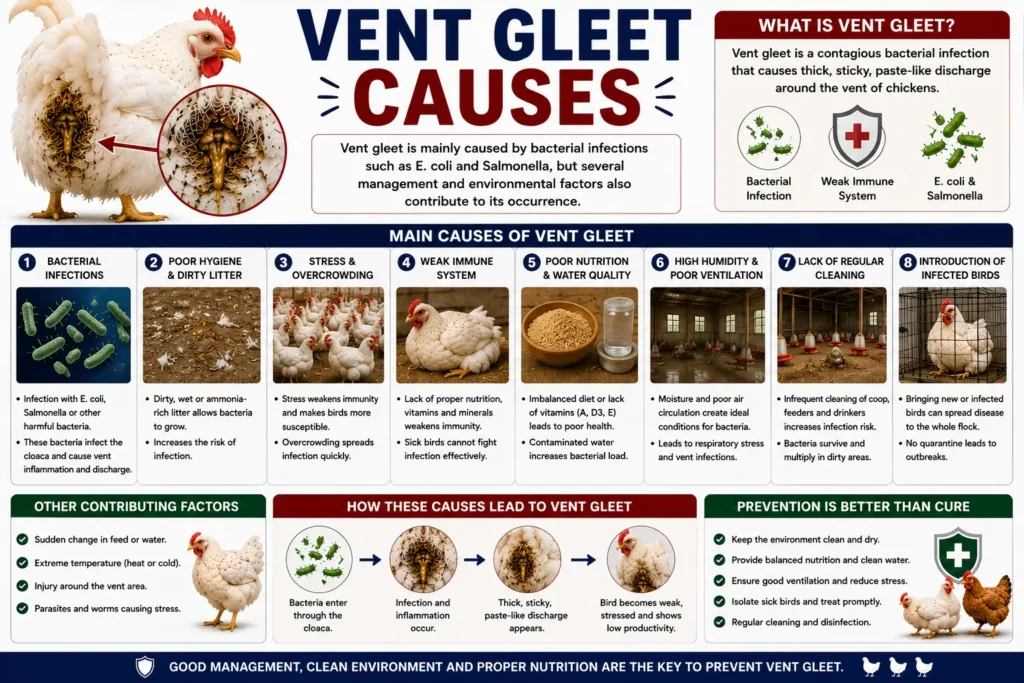
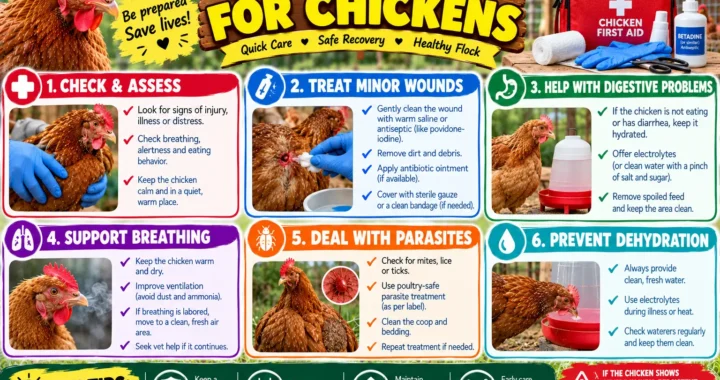
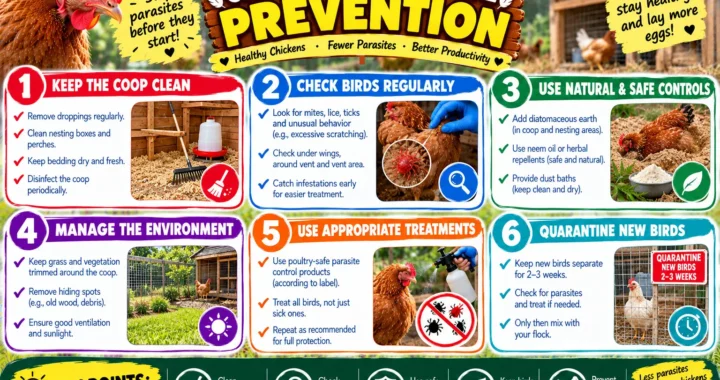
At the root of nearly every case, vent gleet causes trace back to one core event: an overgrowth of Candida albicans, a yeast that normally lives quietly in a chicken’s gut in small numbers. When something disrupts the balance between helpful and harmful microorganisms, this yeast multiplies out of control and irritates the cloaca, producing the discharge and inflammation known as vent gleet.
But that yeast overgrowth rarely happens in isolation. Stress, diet, hygiene, immune health, and even other flock conditions all combine to decide which hens actually develop symptoms. This guide breaks down every documented cause and risk factor, explains the biology behind each one, and separates what you can control from what’s simply part of keeping chickens.
Table of Contents
Quick Answer: Vent gleet causes fall into four main groups: gut microbiome disruption (from stress, antibiotic use, or sudden feed changes), nutritional deficiencies (especially calcium, phosphorus, or vitamin A), environmental and hygiene factors (dirty coops, wet litter, contaminated water, moldy feed), and immune suppression (from illness, poor nutrition, or chronic stress). Bacterial involvement, alongside the primary yeast overgrowth, is also common in more advanced cases.
The Core Mechanism Behind Vent Gleet
Vent gleet, medically known as cloacitis, is not considered a disease on its own. It’s better understood as a symptom of an underlying imbalance, most often triggered by Candida albicans overgrowth in the digestive tract. This fungus is a completely normal part of a healthy chicken’s gut community in small numbers. Problems start when the gut’s usual balance of bacteria and yeast is disturbed, allowing this opportunistic organism to multiply and colonize the moist environment of the cloaca.
Bacterial pathogens, including E. coli, Salmonella, and Pasteurella species, can also contribute to or complicate cloacitis, particularly in more advanced or recurring cases. This is why vent gleet is often described as a multifactorial condition rather than one with a single, simple cause.
Read More: https://lashegg.com/vent-gleet-treatment/
Gut Microbiome Disruption: The Most Common Vent Gleet Cause
Anything that throws off the natural balance of gut bacteria creates an opening for yeast to take over. The most frequently cited triggers include:
- Stress, from sources like egg-laying demands, extreme heat, molting, predator scares, or conflict within the flock’s pecking order
- Recent antibiotic use, since antibiotics can wipe out beneficial bacteria along with harmful ones, leaving room for yeast to expand unchecked
- Sudden feed changes, which can disrupt the digestive system’s established microbial balance
- Untreated pasty butt in young birds, since the resulting skin irritation and moisture can create a favorable environment for later yeast colonization
Expert Tip: If you’ve recently treated a hen with antibiotics for an unrelated issue, consider adding a probiotic to her diet afterward. This helps rebuild the beneficial bacteria population before yeast has a chance to take advantage of the gap.
Nutritional Vent Gleet Causes
Diet plays a bigger role in vent gleet than many keepers realize, both directly and through its effect on immune health.
| Nutritional Factor | How It Contributes |
| Calcium deficiency | Weakens immune defenses, increasing susceptibility to infection |
| Phosphorus deficiency or imbalance | Compounds calcium-related immune weakening |
| Vitamin A deficiency | Associated with poor mucous membrane health, including cloacal tissue |
| Moldy feed (corn, grains, nuts) | Introduces mycotoxins and additional fungal contamination directly into the gut |
| Contaminated or dirty water | Introduces harmful microorganisms and disrupts normal gut flora |
| Excess sugary treats | Can feed yeast overgrowth directly |
Environmental and Hygiene-Related Causes
Living conditions have a direct effect on both exposure to harmful organisms and overall stress levels, both of which factor into vent gleet risk.
- Dirty coops and runs, which create conditions that favor fungal and bacterial growth
- Wet or damp litter, since consistently moist bedding promotes the same organisms responsible for cloacitis
- Poor ventilation, which can contribute to a damp, high-ammonia environment that stresses respiratory and overall health
- Contaminated water sources, including algae-covered or slimy water containers
- Overcrowding, which raises both stress and the concentration of droppings and moisture in a shared space
Did You Know? Vent gleet itself is not contagious between chickens. However, it often appears to spread through a flock because every bird shares the same risk factors, the same water source, the same coop conditions, and often the same stress triggers.
Immune Suppression as a Vent Gleet Cause
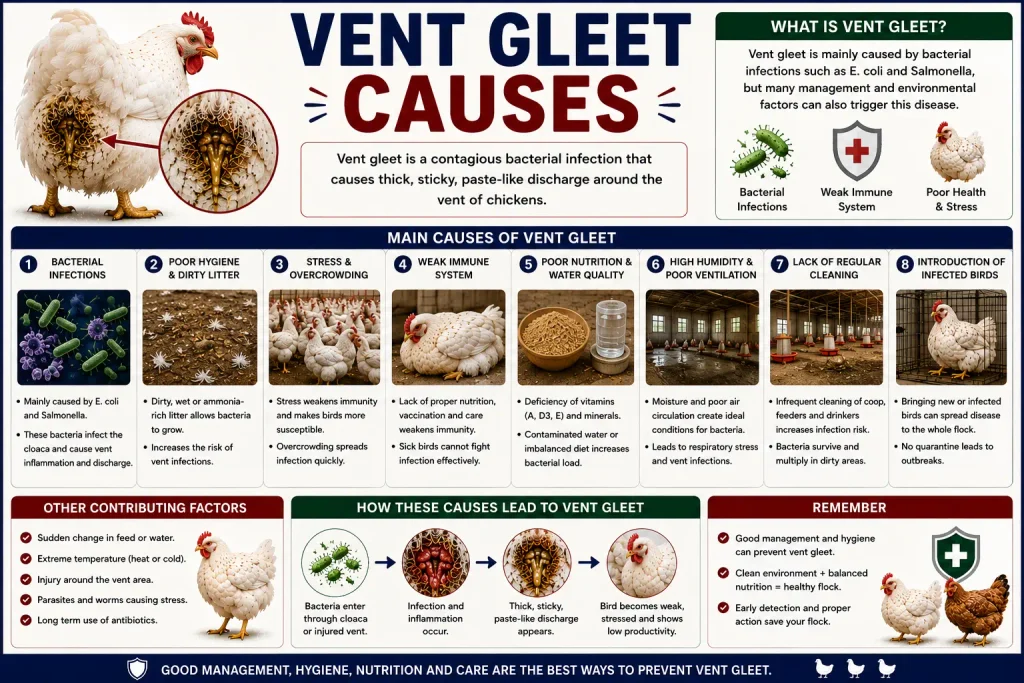
A weakened immune system makes any individual hen more vulnerable to the same yeast that healthier flockmates might resist without issue. Contributing factors include:
- Chronic or repeated stress
- Poor overall nutrition
- Concurrent illness or parasite burden
- Advanced age
- Recovery from a recent infection or injury
This is part of why vent gleet often shows up during particularly demanding periods for a hen’s body, such as heavy egg production, molting, or recovery from another health setback.
Parasites and Secondary Contributing Causes
Internal parasites place additional strain on the digestive system, which can disrupt gut balance in the same way stress or antibiotic use does. Left unmanaged, a parasite burden can make a hen more susceptible to the underlying yeast overgrowth responsible for most vent gleet cases. Routine parasite monitoring and control is one of the less obvious, but still important, prevention angles for this condition.
What Causes Vent Gleet in Roosters Versus Hens
Vent gleet is more commonly discussed in hens, partly because egg-laying itself is a recognized stress trigger that can contribute to gut imbalance. Roosters can develop vent gleet too, generally linked more to the same core risk factors, stress, poor hygiene, or diet, rather than reproductive activity specifically.
Chicken Cloacitis Causes at a Glance
| Category | Specific Cause | Why It Raises Risk |
| Gut imbalance | Stress (heat, molting, pecking order, egg-laying) | Disrupts healthy bacteria-yeast balance |
| Gut imbalance | Recent antibiotic use | Removes beneficial bacteria, allowing yeast to expand |
| Gut imbalance | Sudden feed changes | Destabilizes established gut flora |
| Nutrition | Calcium or phosphorus deficiency | Weakens immune defenses |
| Nutrition | Vitamin A deficiency | Affects mucous membrane health |
| Nutrition | Moldy feed | Introduces mycotoxins and fungal contamination |
| Environment | Dirty coop, wet litter | Favors fungal and bacterial growth |
| Environment | Contaminated water | Disrupts gut flora, introduces pathogens |
| Immune health | Chronic stress, illness, age | Reduces the body’s ability to control yeast overgrowth |
| Secondary factors | Internal parasites | Adds digestive strain, compounding gut imbalance |
Common Mistakes When Addressing Vent Gleet Causes
- Treating only the visible symptoms. Clearing up discharge without addressing diet, hygiene, or stress often leads to the same case returning within days of the hen rejoining the flock.
- Overlooking recent antibiotic use as a trigger. A course of antibiotics given for an unrelated issue can set the stage for vent gleet weeks later if gut flora isn’t supported afterward.
- Assuming it’s contagious and isolating unnecessarily long. Vent gleet itself doesn’t spread bird to bird, though shared risk factors can affect multiple hens around the same time.
- Ignoring feed and water quality. Moldy feed and contaminated water are easy to overlook but are direct, correctable causes.
- Not connecting recurring cases to an underlying pattern. Repeated vent gleet in the same hen, or across several flock members, usually points to a persistent environmental or nutritional issue worth investigating.
Warning: Left unaddressed, vent gleet can progress to more serious complications, including sour crop or, in cases where infection spreads to the reproductive tract, more significant illness. Identifying and correcting the underlying cause matters just as much as clearing the visible symptoms.
When to Call a Vet
Understanding causes helps with prevention and faster recognition, but certain situations call for professional evaluation:
- Vent gleet recurs repeatedly despite improved diet, hygiene, and stress management
- Multiple hens in the flock develop symptoms around the same time
- You suspect a specific underlying cause, such as parasites or a nutritional deficiency, that needs testing to confirm
- Symptoms progress beyond mild discharge into signs of broader illness
A vet can run diagnostic tests, such as microscopic examination or culture and sensitivity testing, to identify exactly which organism is involved and whether a nutritional or parasitic factor needs targeted treatment.
Final Thoughts
Vent gleet causes almost always come down to a disrupted gut balance, but what disrupts that balance varies widely: stress, diet, hygiene, immune health, and sometimes parasites all play a part. Because it’s a multifactorial condition, the most effective prevention comes from addressing several of these areas at once rather than focusing on just one. Keep an eye on your flock’s living conditions, diet quality, and stress levels, and don’t hesitate to involve a vet if vent gleet keeps returning despite your best efforts.
5. FAQ
Q: What is the number one cause of vent gleet in chickens? A: The most common underlying cause is an overgrowth of the yeast Candida albicans in the gut, typically triggered by a disruption in the normal balance of gut bacteria from stress, diet changes, or recent antibiotic use.
Q: Can poor diet alone cause vent gleet? A: Diet is rarely the sole cause, but deficiencies in calcium, phosphorus, or vitamin A can weaken immune defenses, and moldy feed or contaminated water can directly introduce the fungal and bacterial organisms responsible for cloacitis.
Q: Is vent gleet caused by dirty coop conditions? A: Dirty, damp coop conditions are a well-documented contributing factor, since wet litter and poor hygiene create an environment that favors fungal and bacterial growth.
Q: What causes vent gleet to keep coming back in the same hen? A: Recurrence usually points to an unresolved underlying cause, such as ongoing stress, incomplete gut flora recovery after antibiotic use, or persistent environmental contamination in the coop.
Q: Can antibiotics cause vent gleet? A: Yes, indirectly. Antibiotics can disrupt the natural balance of beneficial gut bacteria, creating an opening for yeast like Candida albicans to overgrow and lead to vent gleet.
Q: Is vent gleet contagious between chickens? A: No, vent gleet itself is not contagious. It often appears in multiple flock members around the same time because they share the same risk factors, such as water source, coop conditions, and stress triggers.
Q: Does stress really cause vent gleet in chickens? A: Yes. Stress from sources like heat, molting, pecking order conflict, or heavy egg production is one of the most commonly cited triggers for the gut imbalance that leads to vent gleet.
Q: Can parasites cause or worsen vent gleet? A: Internal parasites can add extra strain to the digestive system, compounding gut imbalance and making a hen more susceptible to the yeast overgrowth responsible for most vent gleet cases.