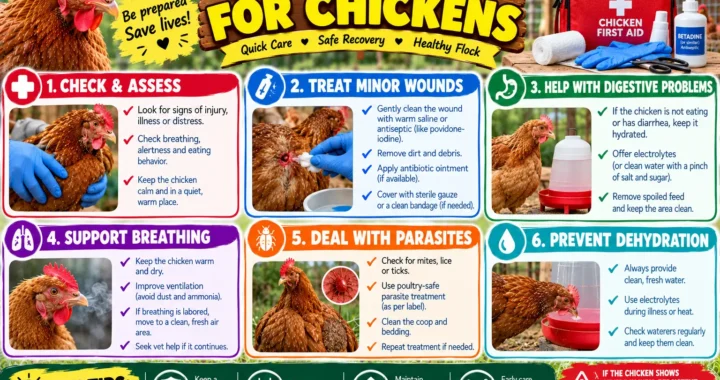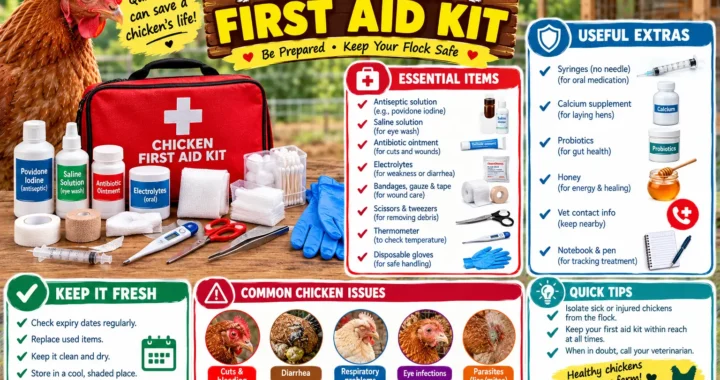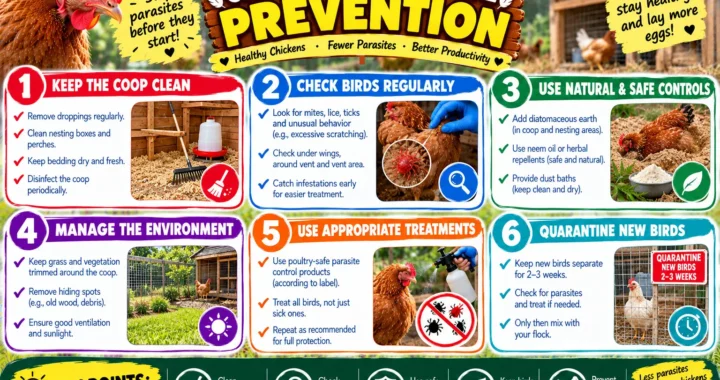
What Causes Shell-Less Eggs in Chickens?

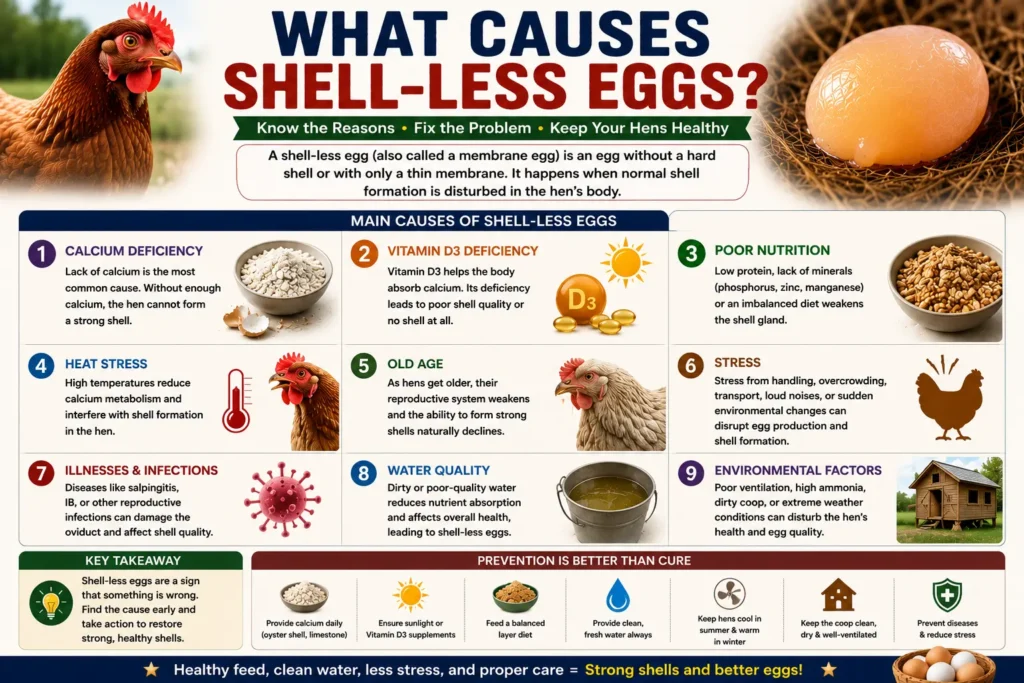
If you just found a squishy, membrane-only egg in the nest box, you are probably asking one question: what causes shell-less eggs? The short answer is a breakdown somewhere in the 24-to-26-hour process a hen’s body uses to build a shell, most often triggered by low calcium, stress, illness, or age.
That breakdown can come from something as simple as a missed calcium supplement or as serious as a respiratory virus moving through the flock. This guide breaks down every known cause of shell-less egg production, ranked from most to least common, along with how to tell them apart and what to do next.
Table of Contents
Quick Answer
Shell-less eggs are most often caused by calcium deficiency, stress, or a young or aging reproductive system. Less commonly, they result from vitamin D3 deficiency, heat stress, or infectious diseases like infectious bronchitis virus. A single case rarely needs treatment; a repeated pattern does.
How Shell Formation Works (So the Causes Make Sense)
Every cause of a shell-less egg traces back to one part of the hen’s reproductive system: the shell gland, also called the uterus. An egg spends about 19 to 20 hours there, and calcium carbonate is layered onto the membrane during that window. Anything that shortens that window, blocks calcium supply, or damages the gland itself can result in an egg without a shell.
Understanding this pipeline matters because it explains why so many different problems — diet, stress, age, disease — can all produce the exact same symptom.
Read More: https://lashegg.com/shell-less-egg-causes-treatment-guide/
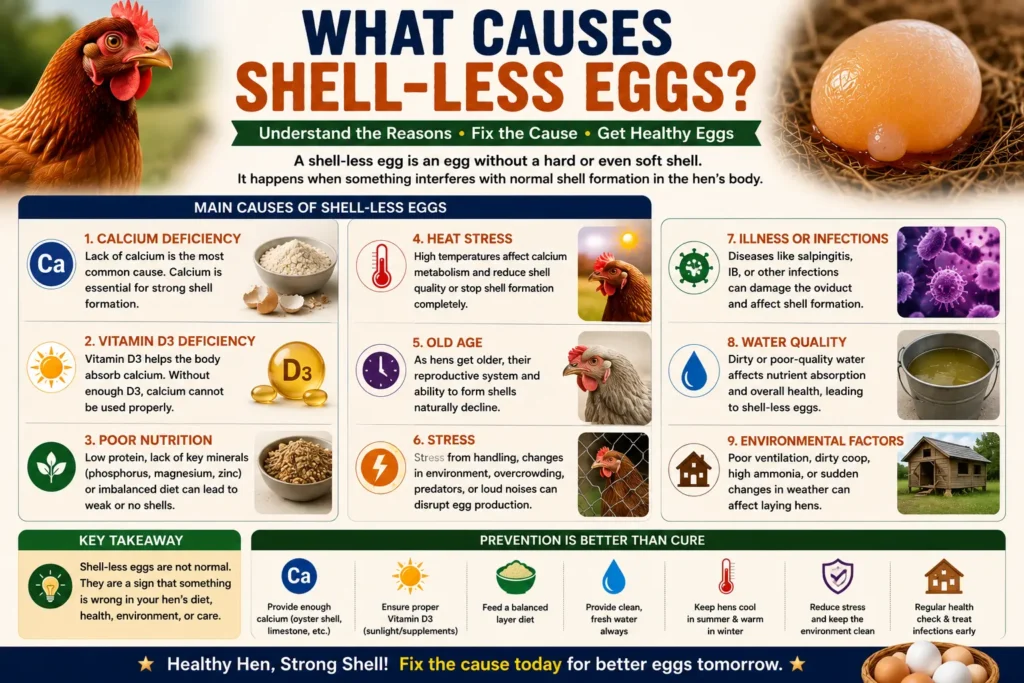
The 9 Most Common Causes of Shell-Less Eggs
1. Calcium Deficiency (The #1 Cause)
Low dietary calcium is, by a wide margin, what causes shell-less eggs most often in backyard flocks. A laying hen needs roughly 3.5 to 4.5 grams of calcium daily. Without enough, the shell gland cannot deposit sufficient calcium carbonate before the egg is laid.
This typically happens when:
- Hens eat too many scratch grains, treats, or table scraps that dilute a balanced layer ration
- A calcium source like oyster shell isn’t offered separately
- A mixed flock eats all-flock feed instead of a hen-specific layer feed
2. Vitamin D3 Deficiency
Calcium alone is not enough. A hen’s body needs vitamin D3 to absorb and use that calcium. Without adequate D3 — from sunlight exposure or fortified feed — even a calcium-rich diet may not translate into strong shells.
3. Acute Stress
Stress hormones can speed an egg through the shell gland before it collects enough calcium. Common stress triggers include:
- A predator scare near the coop
- Introducing new birds to the flock
- Loud, sudden noises
- Overcrowding or a recent move
4. Age of the Hen
Two very different age groups share this symptom for very different reasons.
| Age Group | Why It Happens | Typical Duration |
| New pullets (just starting to lay) | Reproductive system still calibrating | 1–2 weeks, self-resolving |
| Hens past 2–3 years old | Shell gland naturally loses efficiency | Gradual, ongoing |
5. Infectious Bronchitis Virus (IBV)
This is one of the most important disease-related causes to rule out. Per the Merck Veterinary Manual, infectious bronchitis virus directly damages the reproductive tract in laying hens, producing soft-shelled or shell-less eggs alongside a broader drop in flock-wide egg production. If multiple hens are affected in the same week, IBV or a similar respiratory disease should be high on the suspect list.
6. Egg Drop Syndrome (EDS)
EDS is a viral cause seen more in commercial operations but possible in backyard settings too. It specifically targets shell quality, sometimes without any other visible signs of illness in the flock.
7. Heat Stress
High temperatures push hens to pant instead of eat, lowering calcium intake. Heat also speeds up transit time through the reproductive tract, cutting the shell gland’s working window short. This is a common seasonal cause of shell-less eggs in summer.
8. Reproductive Tract Abnormalities
Some hens develop a lasting defect in the shell gland, sometimes following a prior infection, an egg-binding episode, or a prolapse. These birds may produce shell-less or soft-shelled eggs repeatedly, not just once.
9. Medication, Toxins, or Sudden Diet Changes
Certain dewormers, excess dietary salt, or an abrupt feed switch can temporarily disrupt the reproductive cycle. This cause tends to resolve on its own once the trigger is removed.
Cause Comparison Table
| Cause | How Common | Fixable at Home? | Needs a Vet? |
| Calcium deficiency | Very common | Yes | Rarely |
| Vitamin D3 deficiency | Common | Yes | Rarely |
| Acute stress | Common | Yes | Rarely |
| Young pullet | Common | Self-resolving | No |
| Aging hen | Common | Partially | Sometimes |
| Infectious bronchitis | Uncommon but serious | No | Yes |
| Egg Drop Syndrome | Rare in backyard flocks | No | Yes |
| Heat stress | Seasonal | Yes | Rarely |
| Reproductive abnormality | Uncommon | No | Yes |
Did You Know?
A hen’s calcium needs roughly quadruple once she starts laying regularly. A bird that seemed perfectly fine as a pullet can suddenly develop shell problems the moment her body switches into full egg production, simply because her calcium demand jumped far faster than most keepers expect.
How to Tell Which Cause Applies to Your Flock
Step-by-Step Diagnostic Approach
- Check the pattern first. One hen, once, points toward diet or stress. Multiple hens, same week, points toward disease.
- Review the diet. Confirm layer feed makes up the bulk of intake and that oyster shell is offered separately.
- Think back on recent stressors. New birds, predator activity, loud construction, or a coop move in the last few days.
- Check the hen’s age. A brand-new layer or a hen past her second or third year explains a lot on its own.
- Watch for other symptoms. Coughing, sneezing, nasal discharge, or lethargy shift suspicion toward infectious causes.
- Track the weather. A heat wave in the last week is a common, often overlooked trigger.
- Log it for a week. If the shell-less pattern continues past seven days despite diet correction, escalate to a vet.
Expert Tip
Separate the calcium question from the disease question early. Offer free-choice oyster shell for one week before assuming anything more serious is going on — many cases resolve with this single change, and it rules out the most common cause fastest.
Common Mistakes to Avoid
- Assuming every shell-less egg is a calcium problem without checking for flock-wide symptoms
- Mixing oyster shell into the feed instead of offering it free-choice
- Overlooking heat stress as a seasonal trigger
- Waiting too long to investigate when multiple hens are affected at once
- Confusing a shell-less egg with a tiny yolk-less “wind egg,” which has an unrelated cause
Shell-Less Eggs vs. Soft-Shell Eggs: Same Causes, Different Degree
Both share the same underlying causes list above. The difference is how far along the shell gland got before the egg was laid.
| Feature | Shell-Less Egg | Soft-Shell Egg |
| Shell coverage | None, membrane only | Thin, partial, flexible shell |
| What it suggests | Shell gland process interrupted very early or entirely skipped | Shell gland deposited some calcium, just not enough |
| Underlying causes | Same list: calcium, stress, age, disease | Same list: calcium, stress, age, disease |
When the Cause Points to Something Serious
Warning
Certain patterns point away from a simple diet fix and toward disease:
- Several hens affected within days of each other
- A clear, flock-wide drop in total egg output
- Respiratory signs: coughing, sneezing, gurgling, nasal discharge
- Lethargy, ruffled feathers, or reduced appetite alongside the shell issue
- Shell-less eggs continuing beyond one to two weeks despite corrected calcium and reduced stress
When to Call a Vet
Reach out to a poultry veterinarian if the cause does not resolve with diet and stress adjustments within a week, if it affects more than one bird, or if respiratory or behavioral symptoms appear alongside it. The Merck Veterinary Manual notes that infectious causes of poor shell quality tend to present as a flock-wide production drop, which is a reliable way to separate infectious causes from an isolated nutritional issue.
How a Vet Confirms the Cause
| Diagnostic Step | What It Rules In or Out |
| Physical exam | Body condition, signs of egg binding |
| Diet and history review | Calcium, D3, phosphorus adequacy; recent stress events |
| Flock-wide production records | Isolated case vs. flock outbreak |
| Respiratory exam | Signs pointing to IBV or similar viral disease |
| Abdominal palpation | Retained eggs, masses, reproductive tract issues |
| Blood work (select cases) | Calcium status and general health markers |
Fixing Each Cause: Treatment Overview
| Cause | Home-Care Fix | Professional Treatment |
| Calcium deficiency | Free-choice oyster shell, quality layer feed | Rarely needed |
| Vitamin D3 deficiency | Sunlight access, fortified feed | Vet-guided supplementation if severe |
| Stress | Remove trigger, stabilize routine | Not usually needed |
| Young pullet | Time, patience, consistent feed | Not needed |
| Aging hen | Extra calcium, acceptance of decline | Vet exam to rule out other causes |
| Infectious bronchitis | Supportive care, isolation, biosecurity | Vet-directed management, no direct antiviral cure |
| Egg Drop Syndrome | Biosecurity measures | Vet consultation |
| Heat stress | Shade, cool water, electrolytes | Rarely needed |
| Reproductive abnormality | Monitor, reduce laying stress | Ongoing vet management |
Preventing Shell-Less Eggs Before They Start
- Feed a complete, age-appropriate layer ration as the core of the diet
- Offer free-choice crushed oyster shell at all times, separate from feed
- Ensure sunlight exposure or D3-fortified feed
- Provide unlimited clean water
- Keep 14–16 hours of consistent daylight for hens actively laying
- Reduce flock stress with a secure, predator-proof coop and stable routine
- Manage summer heat with shade, ventilation, and cool water
- Practice solid biosecurity to limit disease introduction
- Reassess the diet every few months, especially as hens age
How Long It Takes to Fix, Depending on the Cause
Diet and stress-related cases usually resolve within one to two weeks once the trigger is corrected. Age-related decline is gradual and may only partially improve with extra calcium. Disease-related causes follow a longer, condition-specific recovery timeline and require veterinary guidance rather than home correction alone.
Knowing exactly what causes shell-less eggs in your flock is the difference between a quick fix and a missed early warning sign. Track the pattern, correct the diet first, and involve a vet the moment more than diet seems to be at play.
5. FAQ
What causes shell-less eggs in chickens? The most common causes are calcium deficiency, vitamin D3 deficiency, acute stress, and normal age-related changes in young or older hens. Less commonly, infectious diseases like infectious bronchitis virus are the cause.
What are the shell-less egg causes I should check first? Start with diet. Confirm the hen is eating a complete layer feed and has free-choice access to crushed oyster shell before considering other causes.
Can stress alone cause a shell-less egg? Yes. Stress hormones can shorten the time an egg spends in the shell gland, which can result in a shell-less or thin-shelled egg even with adequate calcium intake.
Do shell-less eggs mean my hen is sick? Not necessarily. A single occurrence is often diet or stress related. Illness becomes more likely when multiple hens are affected at once or when other symptoms appear.
Is age a real cause of shell-less eggs? Yes. Both brand-new layers and hens past two to three years of age commonly produce shell-less eggs due to a reproductive system that is still developing or naturally slowing down.
Can hot weather cause shell-less eggs? Yes. Heat stress reduces feed intake and speeds up egg transit through the reproductive tract, both of which can result in a shell-less egg during hot spells.
How do I know if the cause is serious? Watch for a pattern affecting multiple hens, a flock-wide drop in egg production, or respiratory and behavioral symptoms. These point toward disease rather than diet.
SEO Checklist
- [x] Focus keyword “what causes shell-less eggs” at the start of the SEO title
- [x] Focus keyword in the first 50 words of the introduction
- [x] Focus keyword in the first paragraph
- [x] Focus keyword in the first H2
- [x] Focus keyword in at least one H3/heading variation
- [x] Focus keyword in the URL slug
- [x] Focus keyword in the meta description
- [x] Focus keyword in the conclusion
- [x] Focus keyword in FAQ section
- [x] Focus keyword in suggested image ALT text
- [x] Keyword density approximately 0.8–1.2%
- [x] Related keyword “shell less egg causes” used naturally
- [x] No keyword stuffing
- [x] Tables, callout boxes, numbered and bulleted lists included
- [x] E-E-A-T signals: veterinary sourcing, clear home-care vs. professional-care distinction
- [x] Internal linking suggestions included below
- [x] External authoritative source referenced (Merck Veterinary Manual)
Suggested Image ALT Text: “Diagram showing what causes shell-less eggs inside a hen’s reproductive tract”