Chicken Laying Eggs With Thin Shells: The Brittle, Not Rubbery, Kind

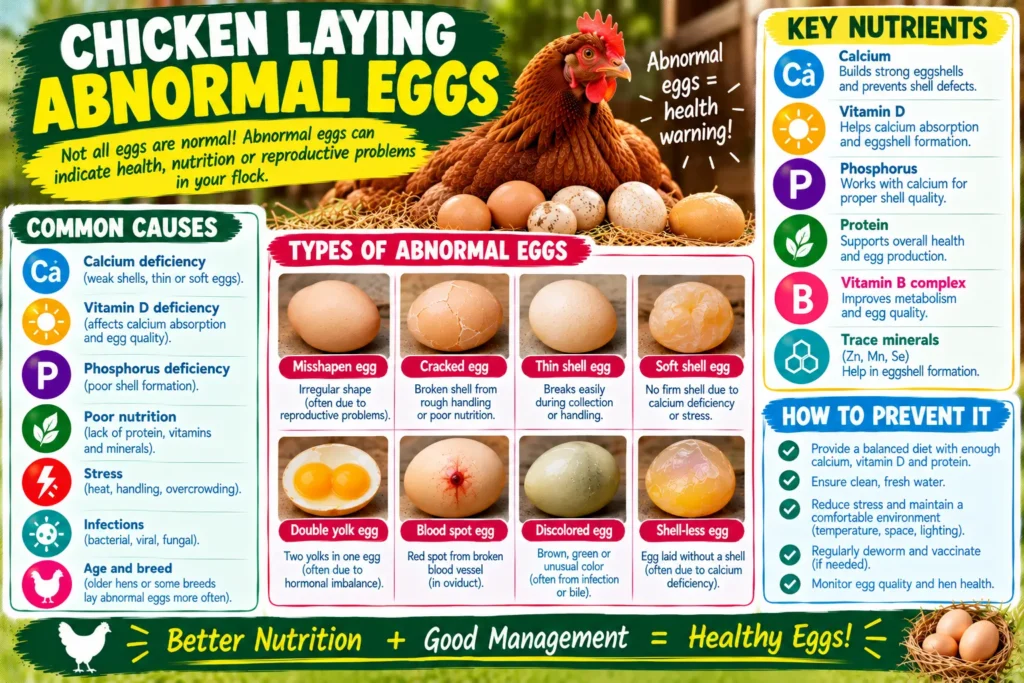
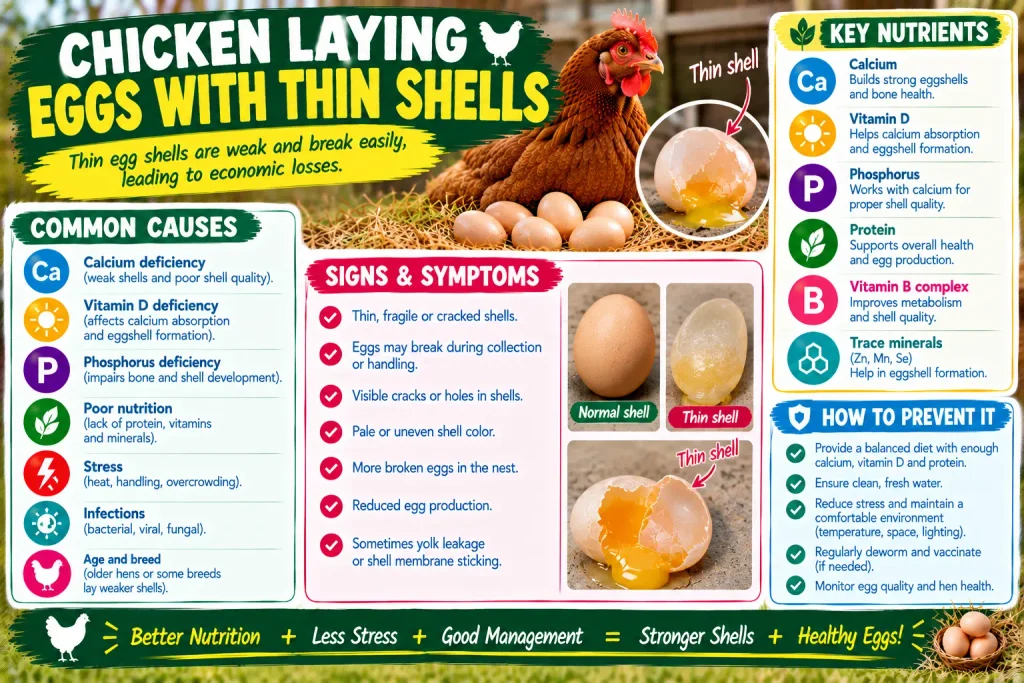
A chicken laying eggs with thin shells is dealing with something specifically different from a soft, rubbery egg. A thin shell is still hard and fully calcified; it’s simply too thin, making it brittle and prone to cracking during normal handling, collection, or even just another hen stepping on it in the nesting box.
This guide focuses on that specific distinction, weak eggshells that are hard but fragile, along with the practical side most guides skip: how to actually reduce breakage once you’re dealing with genuinely thin shells.
Quick Answer: Chicken laying eggs with thin shells is most often explained by calcium or vitamin D3 shortfalls, hen age, or heat stress, similar to broader shell quality issues. What makes thin shells specifically worth addressing on their own is breakage: brittle shells crack more easily during collection, transport, and incubation, making handling changes just as important as fixing the underlying cause.
Table of Contents
Thin vs. Soft: A Quick Distinction
Why the Difference Matters Here
A soft-shelled egg often bends or feels rubbery because calcification barely happened at all. A thin-shelled egg is fully hardened but simply doesn’t have enough shell thickness, making it brittle rather than flexible. Both usually share similar root causes, but thin shells specifically raise a different practical concern: cracking.
| Feature | Soft-Shelled Egg | Thin-Shelled Egg |
| Texture | Rubbery, bends without breaking | Hard, but breaks/cracks easily |
| Calcification | Minimal to none | Present, but insufficient thickness |
| Main risk | Handling, general fragility | Cracking under light pressure |
What Causes Thin Eggshells
Calcium and Vitamin D3
As with most shell quality issues, inadequate calcium or vitamin D3, needed for calcium absorption, is the most common thin eggshell cause. A properly balanced layer feed with free-choice oyster shell resolves the majority of cases.
Hen Age
Older hens sometimes show a gradual decline in shell gland efficiency, producing thinner shells even on an otherwise adequate diet as a natural part of reproductive aging.
Heat Stress
Reduced feed intake during hot weather lowers overall calcium consumption, making thin shells a common seasonal pattern that often resolves once temperatures moderate.
Genetics and Breed
Some breeds and individual hens naturally produce slightly thinner shells than others, without this reflecting any nutritional or health problem.
Illness
Certain respiratory illnesses, including infectious bronchitis, are documented to affect shell quality, generally alongside other, more obvious symptoms.
Read More: https://lashegg.com/chicken-laying-small-eggs/
| Cause | How to Identify It | Typical Fix |
| Calcium/D3 shortfall | Multiple eggs, multiple hens affected | Diet correction |
| Age | Gradual, older hen | Often unavoidable, manage handling |
| Heat stress | Seasonal, temperature-linked | Improves with cooling |
| Genetics | Consistent from a specific hen | Not typically fixable, not concerning |
| Illness | Other symptoms present | Veterinary evaluation |
Did You Know? Shell thickness naturally varies slightly across a single egg, generally thinnest at the wider end, which is part of why eggs so often crack at that specific point during rough handling.
Preventing Breakage From Thin Eggshells
Step-by-Step: Reducing Cracked Eggs
- Collect eggs more frequently. More time in the nesting box means more opportunity for other hens or general activity to cause cracks.
- Add extra nesting material. A deeper, softer bedding layer cushions eggs against impact from both laying and hens climbing in and out.
- Handle collected eggs individually rather than in bulk. Carrying loose eggs in a single hand or apron pocket increases collision risk compared to a proper egg basket or carton.
- Store thin-shelled eggs separately if breakage is a known issue. This prevents a single cracked egg from mixing with and contaminating others.
- Limit nesting box overcrowding. Multiple hens competing for the same box increases the chance of eggs being stepped on or jostled.
Expert Tip
If you’re dealing with chicken laying eggs with thin shells regularly, try candling a sample to assess actual shell thickness before assuming every crack is inevitable. Sometimes handling changes alone meaningfully reduce breakage even before any dietary correction takes full effect.
Diagnosing and Correcting the Underlying Cause
Step-by-Step: Addressing Thin Eggshell Causes
- Confirm layer feed calcium content. Verify it falls in the 3.5–4% range for actively laying hens.
- Check free-choice oyster shell availability. Confirm it’s accessible, fresh, and actually being consumed.
- Consider vitamin D3 status. Review feed fortification and sunlight access, especially for hens with limited outdoor time.
- Factor in age and breed. Some thin-shell tendency in older hens or certain breeds isn’t correctable and isn’t a concern.
- Monitor for two weeks after any correction. Shell thickness improvement is generally visible within this window if the cause was nutritional.
Common Mistakes to Avoid
- Assuming every cracked egg reflects a shell quality problem rather than a handling issue
- Overlooking heat stress as a seasonal, temporary cause
- Treating thin shells and soft shells as requiring identical solutions without checking which you’re actually seeing
- Ignoring age or breed as a non-fixable, low-concern explanation
- Skipping practical handling changes while waiting for a dietary fix to take effect
Warning
Thin, brittle shells that crack easily also carry a higher risk of bacterial contamination reaching the egg’s interior through the compromised shell. Handle and store any known thin or cracked eggs with extra care, and avoid using visibly cracked eggs for hatching or extended storage.
When to Call a Vet
Contact a poultry veterinarian if chicken laying eggs with thin shells continues for more than two to three weeks despite confirmed adequate calcium and vitamin D3, or if it’s paired with lethargy, respiratory symptoms, or reduced overall egg production. These signs suggest a cause beyond simple nutrition.
People Also Ask
What’s the main difference between thin eggshell causes and soft shell causes? They largely share the same root causes, like calcium and vitamin D3 levels, but thin shells are fully hardened and brittle, while soft shells are rubbery due to minimal calcification.
Can weak eggshells be fixed with diet alone? In most cases, yes, correcting calcium and vitamin D3 intake resolves diet-related thin shells within one to two weeks, though age- or breed-related thinness isn’t fixable through diet.
Why do my chicken’s thin-shelled eggs keep cracking in the nesting box? Increased nesting material, more frequent collection, and reducing nesting box crowding all help reduce breakage, independent of whatever is causing the shell thinness itself.
Is it safe to eat an egg with a thin shell? Yes, as long as the shell remains intact and the egg is otherwise fresh; extra care in handling simply reduces the risk of cracking before you get to that point.
Do older hens always develop chicken laying eggs with thin shells over time? Not always, but a gradual decline in shell gland efficiency is common enough with age that some increased thinness in older hens isn’t necessarily a cause for concern.
Final Thoughts
Chicken laying eggs with thin shells shares much of its underlying cause list with broader shell quality issues, but the brittle, crack-prone nature of true thin shells makes handling and collection practices just as relevant as diet correction. Addressing both sides gives the best overall result.
Correct calcium and vitamin D3 first, adjust your collection and storage habits to reduce breakage, and reach out to a poultry veterinarian if thin eggshell causes don’t resolve with these standard corrections or come paired with other symptoms.
5. FAQ
Q: How is chicken laying eggs with thin shells different from soft shell eggs? A: Thin shells are hard but insufficiently thick, making them brittle, while soft shells are rubbery and bendable due to minimal calcification, even though both often share similar underlying causes.
Q: Can heat waves specifically cause weak eggshells? A: Yes, reduced feed intake during extreme heat lowers calcium consumption, making thin shells a common temporary pattern during hot weather.
Q: Does nest box design affect thin eggshell breakage? A: Yes, deeper bedding, adequate box numbers, and frequent collection all reduce the physical risk of cracking, independent of the shell’s actual thickness.
Q: Are thin-shelled eggs still nutritious? A: Yes, shell thickness doesn’t affect the nutritional content of the egg itself, only its physical durability and resistance to cracking.
Q: Should I remove a hen from the flock if she consistently lays thin-shelled eggs? A: Not necessarily; if her diet is adequate and she’s simply aging or genetically prone to thinner shells, this is usually a manageable trait rather than a reason for removal.