Chicken Laying Small Eggs: Figuring Out Why

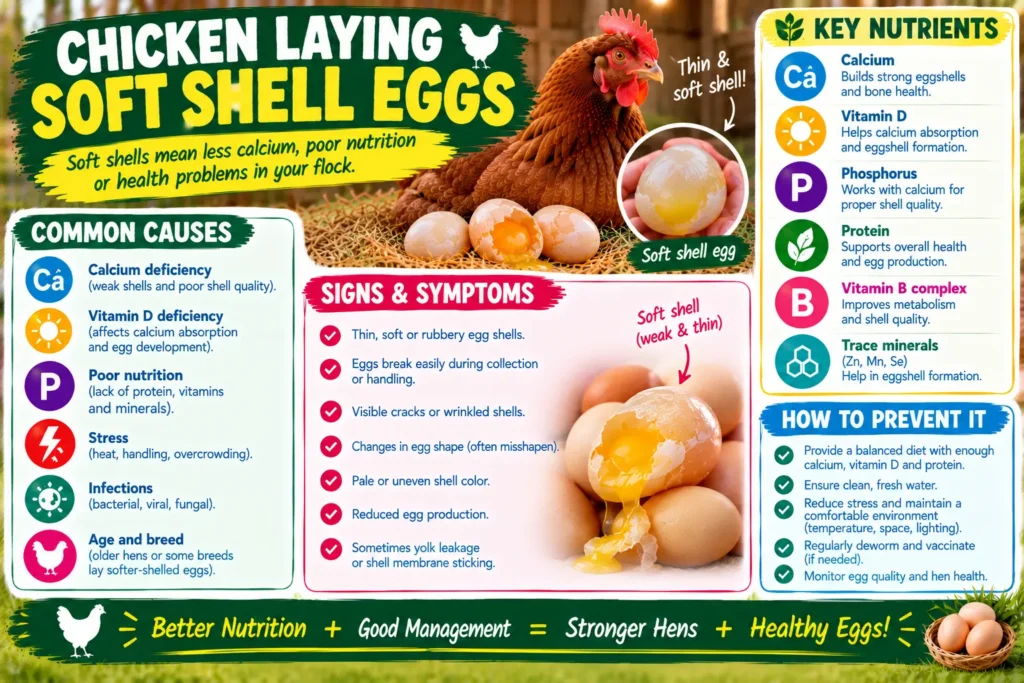
A chicken laying small eggs consistently, rather than as a one-time fluke, usually points to something specific: her age and stage of laying, her diet, her breed, or the weather. This is a different situation from a true fairy egg, a rare, typically yolk-less anomaly covered separately; this guide focuses on ongoing or gradual small egg patterns instead.
Understanding small egg causes helps you figure out whether this is a normal, temporary phase or something worth addressing through diet or management changes.
Quick Answer: Chicken laying small eggs is most commonly explained by a new layer’s calibration period, inadequate protein, heat stress, dehydration, or simply breed and individual genetics. Egg size typically increases over the first several weeks of a pullet’s laying life and can temporarily shrink during recovery from molting, illness, or extreme weather.
Table of Contents
Why Egg Size Varies in the First Place
The Calibration Period
A pullet’s very first eggs are almost always smaller than what she’ll eventually produce once fully mature. Her reproductive system needs several weeks to reach its full, consistent capacity, gradually increasing egg size along the way.
The Ongoing Factors
Beyond that initial period, egg size responds to nutrition, hydration, health, and environmental conditions on more of a week-to-week basis, meaning size isn’t necessarily locked in permanently even in an established layer.
| Life Stage | Typical Egg Size Pattern |
| First 1–4 weeks of laying | Smaller, gradually increasing |
| Weeks 5–20 of laying | Continuing to increase toward mature size |
| Established adult hen | Relatively stable, standard size for her breed |
| Post-molt recovery | Often smaller initially, normalizing over weeks |
Did You Know? A hen’s very first egg is sometimes called a “pullet egg” in the commercial egg industry, and some producers specifically market these smaller eggs as a distinct product rather than simply grading them down.
Read More: https://lashegg.com/chicken-laying-abnormal-eggs/
Common Small Egg Causes
1. New Layer Status
As covered above, this is the single most common explanation for tiny chicken eggs, resolving naturally over the pullet’s first several weeks of laying.
2. Inadequate Protein
Protein directly supports the albumen, or egg white, which makes up a significant portion of overall egg size. A diet falling short on protein can result in smaller eggs even from an otherwise mature, established hen.
3. Dehydration
Since egg white is largely water, inadequate water intake can directly reduce egg size, making consistent access to clean water just as relevant to egg size as solid nutrition.
4. Heat Stress
Hot weather reduces overall feed intake, indirectly limiting the protein and nutrients available for full-sized egg formation, making small eggs a common seasonal pattern during heat waves.
5. Breed and Genetics
Bantam breeds and certain smaller-bodied standard breeds naturally lay smaller eggs as part of their genetic makeup, regardless of diet or management quality.
6. Age (Older Hens)
While older hens sometimes lay fewer but larger eggs, some instead show a gradual size decline alongside reduced frequency as part of general reproductive aging.
7. Recovery From Molting or Illness
Egg size often drops temporarily as a hen resumes laying after a molt or recovers from illness, gradually returning to her normal size over the following weeks.
| Cause | Typical Pattern | Resolves On Its Own? |
| New layer status | Gradual increase over weeks | Yes |
| Inadequate protein | Ongoing until corrected | With diet correction |
| Dehydration | Tied to water access | With improved hydration |
| Heat stress | Seasonal | Yes, with weather change |
| Breed/genetics | Consistent, permanent | No, and not a concern |
| Age-related decline | Gradual over years | No, natural aging |
| Post-molt/illness recovery | Temporary | Yes, over several weeks |
Small Egg Causes: When It’s Genetics vs. Something Fixable
Recognizing Breed-Based Small Eggs
If a hen has consistently laid smaller eggs since her earliest laying weeks and belongs to a bantam or smaller-bodied breed, small size is very likely just her normal, genetically expected output rather than anything needing correction.
Recognizing a Fixable Cause
A sudden or gradual decrease in egg size from a hen who previously laid larger eggs points toward something changeable: diet, hydration, heat, or a recent health event, rather than genetics.
| Indicator | Suggests Genetics | Suggests Fixable Cause |
| Consistent small size since first egg | Yes | No |
| Recent decrease from previously larger eggs | No | Yes |
| Bantam or small breed | Yes | N/A |
| Tied to a recent heat wave or molt | No | Yes |
Step-by-Step: Addressing Correctable Small Egg Causes
- Confirm the hen’s history and breed. Rule out genetics as the explanation before assuming something’s wrong.
- Check protein levels in the diet. Confirm a complete layer feed with 16–18% protein is the base diet.
- Verify consistent water access. Check for empty waterers, algae buildup, or inadequate access points, especially in larger flocks.
- Consider recent weather or health events. A recent heat wave, molt, or illness often explains a temporary dip.
- Allow time for correction to show results. Egg size changes typically become visible within one to two weeks of addressing the underlying cause.
Expert Tip
Weigh a sample of eggs over a week if you want an objective measure rather than relying on visual impression alone. Egg size changes can be subtle enough that a kitchen scale reveals a clearer trend than eyeballing individual eggs day to day.
Common Mistakes to Avoid
- Assuming small eggs always indicate a problem rather than checking breed and laying history first
- Overlooking water access as a factor in egg size
- Expecting immediate size correction the moment a cause is addressed
- Confusing an occasional small egg with an established ongoing pattern
- Ignoring heat stress as a likely seasonal explanation
Warning
A sudden, dramatic drop in egg size across the whole flock, especially paired with other symptoms like lethargy or reduced overall production, may indicate a broader nutritional or health issue rather than a simple, isolated small egg cause. This combination deserves closer investigation.
When to Call a Vet
Contact a poultry veterinarian if small eggs persist despite ruling out breed genetics and correcting protein, hydration, and environmental factors, or if the pattern is accompanied by lethargy, weight loss, or other signs of illness. A vet can help identify whether an underlying health issue is limiting a hen’s egg formation capacity.
People Also Ask
Is it normal for a chicken laying small eggs to be a new layer? Yes, new layers commonly produce smaller eggs during their first several weeks as their reproductive system reaches full maturity and consistency.
Can diet really cause tiny chicken eggs in an established hen? Yes, inadequate protein or insufficient water intake can both directly reduce egg size, even in a hen who previously laid normal-sized eggs.
Do bantam chickens always lay smaller eggs? Yes, bantam breeds are genetically smaller overall and consistently produce proportionally smaller eggs as a normal, expected trait rather than a problem.
Will egg size return to normal after a molt? Usually yes, egg size often dips temporarily as laying resumes after a molt, gradually returning to normal over the following several weeks.
How is a genuinely small egg different from a fairy egg? A small egg is a fully formed, normally proportioned egg that’s simply undersized, while a fairy egg is typically much tinier, often without a yolk, and results from a different, one-time formation anomaly.
Final Thoughts
Chicken laying small eggs usually traces back to one of a handful of explainable causes: a new layer still calibrating, inadequate protein or water, heat stress, breed genetics, or recovery from molting or illness. Most of these resolve naturally or respond well to straightforward correction.
Match the pattern to your hen’s history and recent conditions before assuming a problem exists, and reach out to a poultry veterinarian if tiny chicken eggs persist despite ruling out the common, correctable small egg causes covered here.
5. FAQ
Q: How long will a chicken laying small eggs continue before sizing up? A: New layers typically reach their mature, standard egg size within about 4 to 6 weeks of starting to lay, with gradual increases throughout that period.
Q: Can stress cause small egg causes beyond just reduced production? A: Yes, stress can affect both how often a hen lays and how large her eggs are, since both processes depend on the same underlying hormonal and nutritional resources.
Q: Do all hens within the same breed lay the same size eggs? A: No, individual variation exists even within a single breed, so some size difference between hens of the same type is normal and not necessarily a cause for concern.
Q: Is a chicken laying small eggs a sign of poor health? A: Not usually on its own; small eggs are more often explained by age, breed, diet, or environmental factors than by illness, though a sudden change paired with other symptoms is worth investigating.
Q: Can I feed my chickens something specific to increase egg size? A: Ensuring adequate protein and water intake through a complete layer feed is the most reliable approach; no single additive reliably increases egg size beyond addressing these basic nutritional needs.