When to Call a Veterinarian: The Fast Answer Every Chicken Owner Needs

Backyard chickens hide illness until they can’t anymore. That’s a survival instinct left over from their wild ancestors, and it’s also why so many owners miss the window to act. Knowing when to call a veterinarian isn’t about panicking over every ruffled feather — it’s about recognizing the handful of signs that separate “watch and wait” from “get help now.”
This guide breaks down exactly which symptoms mean emergency chicken care, which ones you can manage at home, and how to talk to a vet who may not even treat poultry. It’s written for owners who want a clear decision, not a wall of maybes.
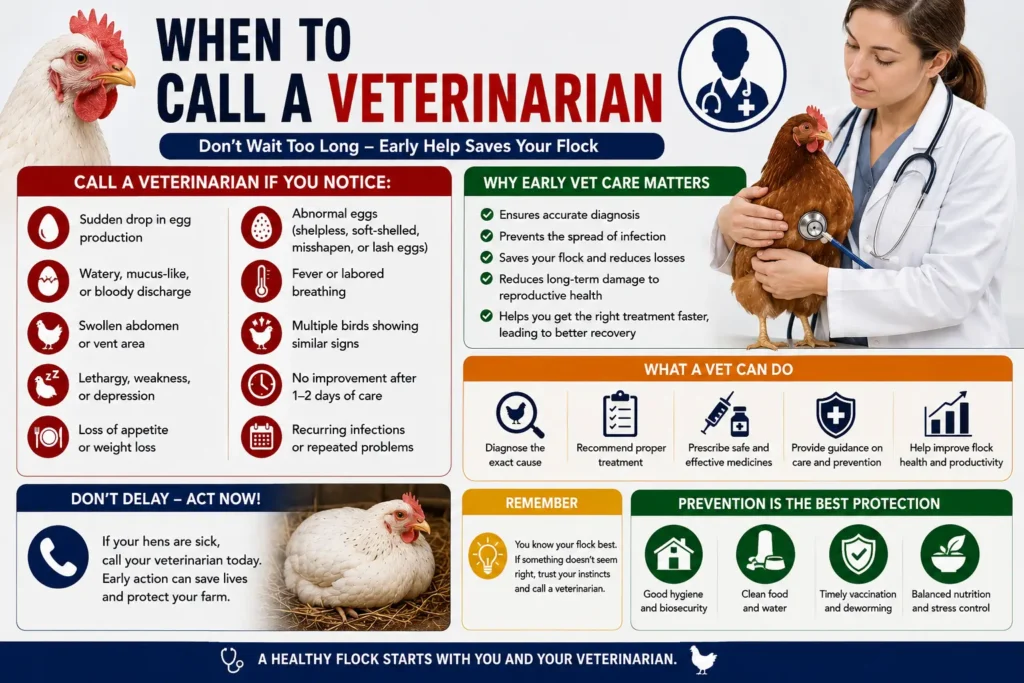
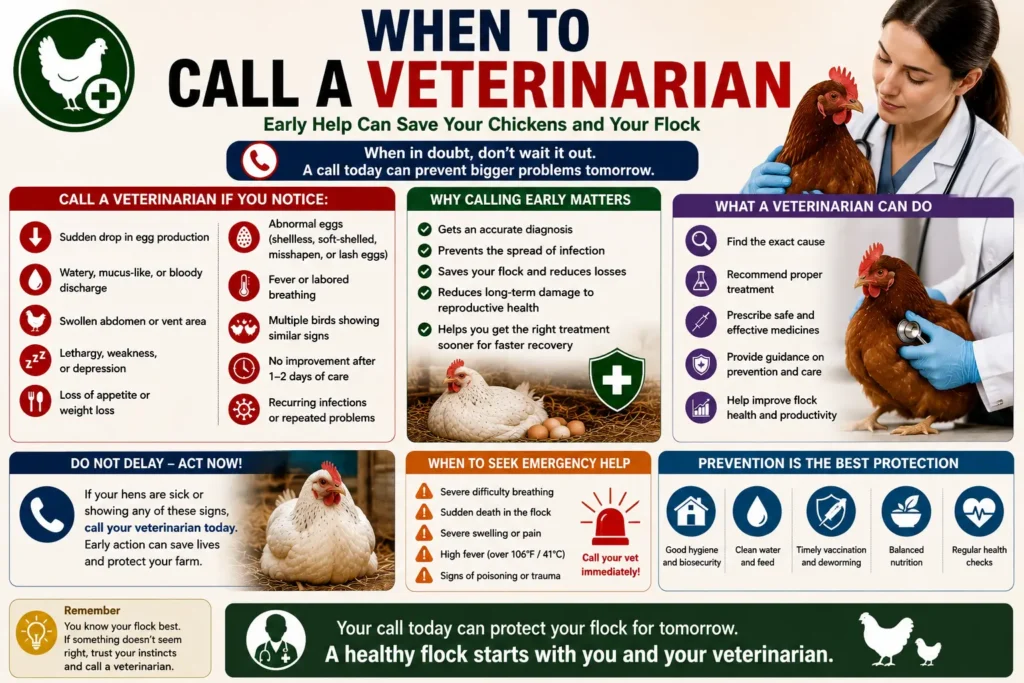
Quick Answer: Call a veterinarian immediately if your chicken shows labored breathing, a prolapse, bleeding that won’t stop, a broken bone, sudden collapse, repeated vomiting-like regurgitation, or has been unable to stand or eat for more than 12–24 hours. For milder symptoms — mild lethargy, soft stool, minor limping — give it 24 hours of home monitoring first.
Table of Contents
Why This Decision Feels So Hard
Chickens are prey animals. A hawk or fox targets the weakest bird in a flock, so evolution wired chickens to mask pain and illness until the disease has already progressed. By the time a chicken looks sick to a casual glance, it has often been unwell for days.
That built-in camouflage is the single biggest reason owners second-guess themselves. You’re not being paranoid when you notice something subtle. You’re doing exactly what a good flock keeper should do — paying attention to small changes before they become large ones.
Read More: https://lashegg.com/can-salpingitis-come-back-in-chickens/
Emergency Chicken Care: Signs That Mean Call Now, Not Later
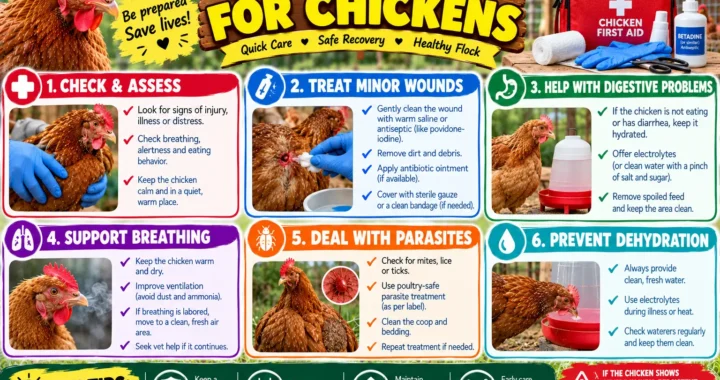
Some symptoms don’t leave room for a wait-and-see approach. If you see any of the following, treat it as emergency chicken care and contact a veterinarian or emergency animal clinic right away.
H3: When to Call a Veterinarian for Breathing Problems
Open-mouth breathing, tail-bobbing with each breath, wheezing, or a rattling sound in the chest are signs of respiratory distress. Chickens have a fixed lung volume and can’t compensate for airway blockage the way mammals can, so breathing trouble escalates fast. This is one of the clearest cases of when to call a veterinarian without delay.
Bleeding That Won’t Stop
Minor scratches from a rooster’s spurs or pecking order squabbles are common and usually manageable with a clean towel and pressure. But bleeding that continues past 10–15 minutes of direct pressure, or blood from the vent, mouth, or a wound deep enough to expose muscle, needs professional attention.
Prolapse
A prolapse happens when internal tissue — most often part of the oviduct — protrudes from the vent after laying. It looks alarming because it is: exposed tissue dries out quickly, other birds may peck at it, and infection sets in within hours. This is always a same-day veterinary matter, never a home project.
Sudden Collapse or Inability to Stand
A chicken that was fine yesterday and suddenly can’t stand, walks in circles, or has its head twisted to one side (a sign sometimes linked to Marek’s disease or vitamin deficiency) needs to be seen. Sudden neurological signs rarely resolve on their own.
Broken Bones or Suspected Fractures
A wing dragging on the ground, a leg held at an odd angle, or obvious swelling after a fall or predator attack usually means a fracture. Chickens can sometimes recover from a properly splinted break, but that splinting needs veterinary guidance to avoid permanent lameness.
Egg Bound and Straining
A hen that squats, strains, and pushes without producing an egg for more than 24–48 hours may be egg bound. Left untreated, this can be fatal within a day or two, which makes it a textbook case of when to call a veterinarian rather than waiting it out.
| Emergency Sign | Why It’s Urgent | Typical Timeframe to Act |
| Open-mouth breathing | Airway obstruction or infection | Within the hour |
| Prolapse | Tissue damage, pecking risk | Same day |
| Uncontrolled bleeding | Risk of shock | Within 30 minutes |
| Sudden collapse | Neurological or cardiac event | Immediately |
| Broken bone | Pain, risk of further injury | Same day |
| Egg bound, straining 24+ hrs | Can be fatal | Within 24 hours |
Warning: Do not attempt to manually reposition a prolapse or force an egg out without guidance from a veterinarian. Improper handling can cause permanent internal damage.
Symptoms You Can Monitor at Home First
Not every off day is an emergency. Some symptoms are worth 24 hours of careful observation before deciding whether professional care is needed.
- Mild lethargy with normal eating and drinking
- Slightly reduced egg production during molt, heat waves, or shorter daylight hours
- Soft or watery droppings on a single occasion, especially after a diet change
- Minor limping without swelling, heat, or visible wound
- Mild feather loss consistent with a seasonal molt
H3: When to Call a Veterinarian After Home Monitoring
If any of these milder signs persist past 24–48 hours, worsen, or are joined by a second symptom (like limping plus loss of appetite), that combination is when to call a veterinarian becomes the right move again. A single mild symptom that’s improving rarely needs same-day care. Two or more symptoms together, or one symptom trending worse, does.
Expert Tip: Keep a simple daily log of weight, appetite, droppings, and behavior for each bird you’re worried about. A vet — poultry-experienced or not — can act faster with three days of notes than with a vague “she’s just not right.”
Common Chicken Illnesses and Their Warning Signs
| Condition | Early Signs | Home Care Possible? | Vet Needed If |
| Respiratory infection | Sneezing, nasal discharge, mild coughing | Isolate, warm dry housing | Breathing labored, discharge thickens |
| Coccidiosis | Bloody droppings, lethargy, ruffled feathers | Only with vet-guided medication | Blood in stool, weakness |
| Bumblefoot | Swelling on foot pad, limping | Early-stage soaking and monitoring | Swelling spreads, pus, won’t bear weight |
| Egg binding | Straining, no egg, lethargy | Warm bath, calcium check for <24 hrs | No egg after 24 hrs |
| Impacted crop | Squishy or hard crop, not emptying overnight | Gentle massage, withhold food briefly | No improvement in 24 hrs |
| External parasites (mites/lice) | Feather loss, scratching, pale comb | Yes, with poultry-safe treatment | Severe anemia, pale comb, weakness |
How to Find a Veterinarian Who Treats Chickens
Most general small-animal clinics don’t see poultry regularly, which makes the search itself part of knowing when to call a veterinarian in time — not after an emergency has already started.
- Search for “avian vet” or “poultry vet” near you, not just “veterinarian.” Avian-specialty clinics are more likely to have chicken experience.
- Call your local agricultural extension office. University Extension Services often maintain referral lists for livestock and poultry vets.
- Ask local feed stores or 4-H poultry groups who they recommend — small-flock communities usually know which clinics actually see chickens.
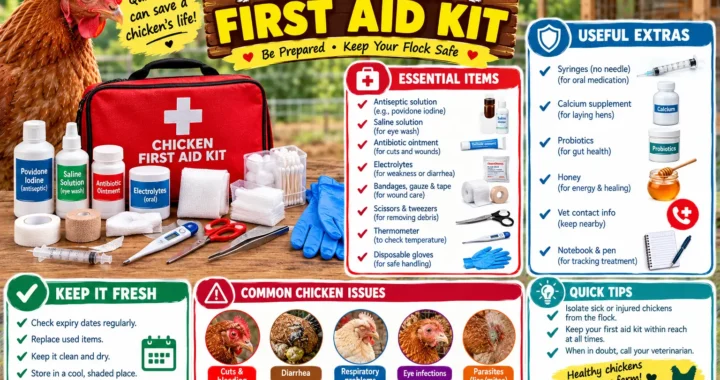
- Save the number before you need it. Emergency chicken care goes faster when you’re not searching mid-crisis.
- Ask about telehealth options. Some avian vets offer phone or video consults for triage, which can help you decide if an in-person visit is truly needed.
Did You Know? The USDA and state departments of agriculture also track reportable poultry diseases. If multiple birds in your flock show sudden illness or die within a short window, your state vet’s office — not just your private vet — may need to be notified.
What to Expect at a Poultry Vet Visit
A first-time visit for a sick chicken typically includes:
- A physical exam covering weight, hydration, crop, vent, and respiratory sounds
- Questions about diet, housing, recent additions to the flock, and vaccination history
- Possible fecal testing for parasites or coccidia
- Blood work in more complex cases, though normal poultry blood values differ from mammals
- A discussion of whether the issue affects just one bird or signals a flock-wide risk
H3: Questions to Ask When You Call a Veterinarian
- Do you see backyard poultry, or can you refer me to someone who does?
- Should I bring the bird in today, or is home monitoring appropriate?
- Do I need to isolate this bird from the rest of the flock?
- Are there symptoms in the rest of my flock I should watch for?
- What’s a realistic cost range for diagnosis and treatment?
Common Mistakes Owners Make
Common Mistakes
- Waiting because “chickens are supposed to be tough” — this delays care past the point it helps.
- Treating with random home remedies (antibiotics from a farm store, human medications) without knowing the cause.
- Assuming one sick bird means the whole flock needs the same treatment without a diagnosis.
- Skipping isolation, which lets a contagious illness spread to the rest of the flock.
- Not weighing birds regularly, so weight loss goes unnoticed until it’s severe.
Prevention: Reducing How Often You’ll Need Emergency Care
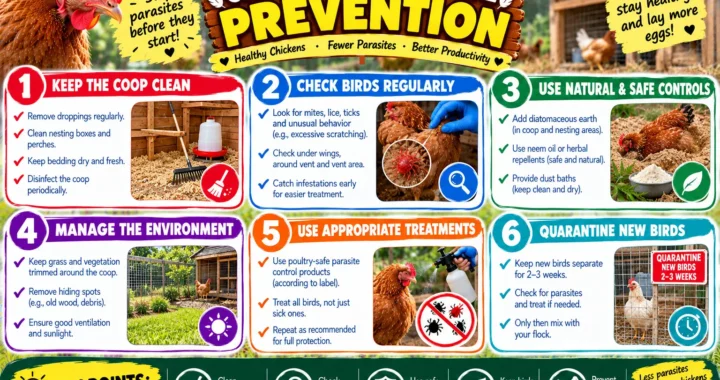
Good husbandry doesn’t eliminate the need to know when to call a veterinarian, but it lowers how often that call becomes urgent.
- Clean, dry bedding to reduce respiratory irritants and bacterial growth
- Balanced layer feed with adequate calcium to reduce egg-binding risk
- Weekly health checks — handle each bird, check weight, feel the crop, look at the vent
- Quarantine new birds for at least two weeks before introducing them to the flock
- Predator-proof housing to prevent traumatic injuries that need emergency care
- Parasite prevention routines appropriate for your climate and season
When to Call a Veterinarian: A Simple Decision Framework
| Situation | Action |
| Breathing difficulty, bleeding, collapse, prolapse, fracture | Call immediately, same day |
| Egg bound over 24 hours | Call within the day |
| One mild symptom, bird still eating and drinking | Monitor 24–48 hours |
| Mild symptom plus a second symptom appearing | Call now |
| Multiple birds sick at once | Call vet and consider notifying your state agriculture office |
| Symptom improving day over day | Continue home monitoring |
When to Call a Vet: If you find yourself checking a bird every hour out of worry, that instinct is usually correct. Trust the pattern of your own observations over the hope that “it’ll pass.”
Final Thoughts
Deciding when to call a veterinarian comes down to reading the whole picture — one mild symptom that’s improving is different from two symptoms stacking up, and both are different from the handful of true emergencies that need action within the hour. Keep watching your flock daily, trust the changes you notice, and don’t wait out symptoms that fall into the emergency category. When in doubt, a quick call to a poultry-experienced veterinarian costs far less than a bird you lose to hesitation.
FAQ
How urgent is it to call a veterinarian for a chicken? It depends on the symptom. Breathing distress, prolapse, uncontrolled bleeding, and sudden collapse mean you should call a veterinarian immediately. Milder signs like slight lethargy or one loose stool can usually be monitored for 24 hours first.
Can I treat a sick chicken myself before calling a vet? Basic home care — clean water, isolation, warmth, and close monitoring — is reasonable for mild symptoms. But medications, especially antibiotics, should come from a veterinarian who can confirm the cause; misuse can mask a worsening illness.
What if there’s no vet who treats chickens in my area? Search for “avian vet” specifically, call agricultural extension offices for referrals, or ask local poultry-keeping groups. Some avian vets also offer phone or telehealth triage, which helps you decide when to call a veterinarian in person.
Is it normal for a chicken to hide being sick? Yes. Chickens are prey animals and instinctively mask illness to avoid attracting predators. By the time symptoms are obvious, the illness has often been present for days, which is why daily observation matters.
How much does an emergency vet visit for a chicken typically cost? Costs vary widely by region and clinic, often ranging from modest exam fees to higher costs for diagnostics like fecal testing or bloodwork. Ask about pricing when you call so there are no surprises.
Should I isolate a sick chicken before or after calling the vet? Isolate the bird as soon as you notice concerning symptoms, especially if other birds could be at risk. You can isolate first and call the vet right after — the two aren’t mutually exclusive.