Vent Gleet Treatment: A Complete Step-by-Step Plan

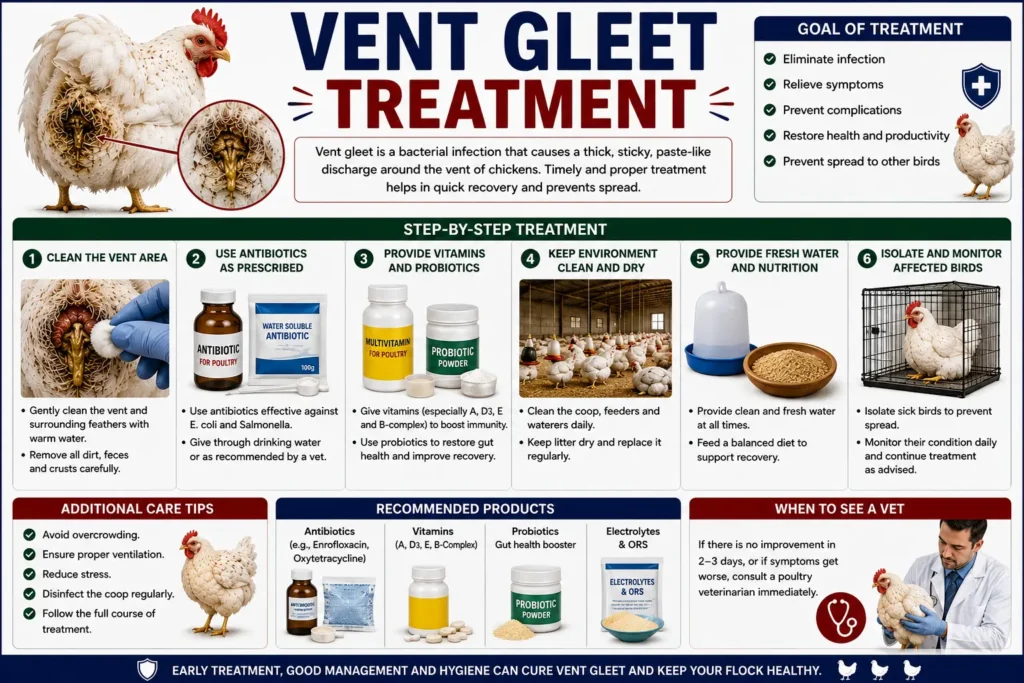
Effective vent gleet treatment combines three things working together: a warm Epsom salt soak to clean and soothe the area, a topical antifungal cream to fight the underlying yeast, and supportive gut care like probiotics and diluted apple cider vinegar. Most mild to moderate cases respond well within a week or two when all three pieces are used consistently.
This guide walks through the full treatment protocol from start to finish, explains why each step matters, and covers what to do when a case doesn’t improve or keeps coming back. You’ll also find a supply list, a recovery timeline, and answers to the questions chicken keepers ask most about treating this condition at home.
Table of Contents
Quick Answer: Vent gleet treatment involves isolating the hen, soaking her vent in a warm Epsom salt bath for 10 to 15 minutes, gently cleaning away discharge and trimming soiled feathers, applying a topical antifungal cream such as miconazole or clotrimazole, and supporting gut health with diluted apple cider vinegar and probiotics. Repeat the bath and cream every 24 to 48 hours until symptoms clear, and see a vet if there’s no improvement within about a week.
Before You Start: Confirm It’s Vent Gleet
Vent gleet, also called cloacitis, typically shows up as a whitish or yellowish discharge with a sour, yeasty smell, along with matted or missing feathers around the vent and some redness or swelling. If you’re instead seeing red tissue protruding from the vent opening itself, that’s more likely a prolapse, which needs a different response. Treating the wrong condition wastes time your hen doesn’t have, so take a moment to confirm what you’re dealing with before starting treatment.
Read More; https://lashegg.com/vent-gleet-symptoms/
Supplies for Vent Gleet Treatment
Gathering everything ahead of time makes the process faster and less stressful for your hen.
- Epsom salts
- A basin or tub large enough for your hen to sit in comfortably
- Clean towels
- Blunt-tipped scissors, for trimming soiled feathers
- A topical antifungal cream, such as miconazole or clotrimazole (the same active ingredients found in human antifungal yeast infection creams)
- Apple cider vinegar with the “mother” (unfiltered)
- Plain, unsweetened yogurt or a poultry-specific probiotic
- Disposable gloves
- A separate isolation space away from the rest of the flock
Warning: Only use plain, unsweetened yogurt or a dedicated poultry probiotic. Sugary or flavored yogurt can feed the same yeast overgrowth you’re trying to treat, working against your efforts.
Step-by-Step Vent Gleet Treatment Protocol
Follow these steps in order, and repeat the full cycle every 24 to 48 hours until symptoms clear.
- Isolate the hen. Move her to a clean, separate space away from the flock. This protects her from stress and pecking while she recovers and makes it easier to track her progress.
- Prepare a warm Epsom salt bath. Fill a basin with comfortably warm water and add roughly one to two tablespoons of Epsom salt per gallon. Water that’s too hot will stress her further, so test it against your wrist first.
- Soak the vent area. Gently sit her in the water so it covers her lower abdomen and vent, and let her soak for 10 to 15 minutes. Many hens tolerate this well and may even relax during the soak.
- Clean and trim. After the soak, gently remove any loosened discharge, dried matter, or crusting. Use blunt scissors to trim away heavily soiled feathers around the vent, since matted feathers hold moisture and bacteria against the skin egg ,
- Dry the area completely. Pat the vent area dry with a clean towel. A damp environment encourages the same yeast growth you’re trying to eliminate.
- Apply antifungal cream. Using a gloved finger, apply a thin layer of antifungal cream around the vent opening and just inside its edge. Miconazole and clotrimazole-based creams are commonly used for this purpose.
- Support gut health. Offer water with diluted apple cider vinegar, roughly one tablespoon per gallon, along with a small amount of plain yogurt or a poultry probiotic daily.
- Repeat every 24 to 48 hours. Continue the full bath-and-cream cycle until discharge, odor, and swelling have fully resolved, typically for at least a week.
- Reassess before returning her to the flock. Wait until the vent area looks clean, dry, and free of discharge for several consistent days before reintroducing her, to reduce the chance of reinfection or stress-related relapse.
Expert Tip: Keep a simple daily log of what you see; discharge amount, odor, feather condition, appetite. It’s easy to lose track of whether treatment is actually working day to day, and a quick log makes it obvious.
Vent Gleet Treatment Options Compared
| Treatment Element | Purpose | Typical Frequency |
| Epsom salt bath | Cleans the area, softens crusting, soothes irritation | Every 24–48 hours |
| Topical antifungal cream | Directly targets yeast overgrowth at the source | Once or twice daily |
| Apple cider vinegar in water | Helps shift cloacal pH away from conditions yeast prefers | Daily, for the treatment period |
| Probiotics or plain yogurt | Restores healthy gut bacteria balance | Daily, for the treatment period |
| Feather trimming | Reduces moisture retention and future irritation | As needed |
| Veterinary antifungal or antibiotic medication | Addresses infections that don’t respond to home care | As prescribed |
How Long Vent Gleet Treatment Usually Takes
Mild cases caught early often show visible improvement within three to five days of consistent treatment, with full resolution around one to two weeks. More established or severe cases can take longer and are more likely to need veterinary-strength antifungal medication rather than home remedies alone. If you’re not seeing any improvement after about a week of consistent home treatment, that’s a signal to loop in a vet rather than continuing the same approach indefinitely.
When Vent Gleet Treatment Isn’t Working
Sometimes a case that initially improves comes right back once the hen returns to the flock, or doesn’t respond to home care at all. A few common reasons:
- Underlying environmental contamination. If the coop itself harbors the same yeast or bacteria, treating the hen alone without cleaning bedding and nest boxes can lead to reinfection.
- Incomplete treatment duration. Stopping the cream or bath routine as soon as visible symptoms improve, rather than continuing for the full course, often allows the infection to rebound.
- A different or additional underlying cause. Persistent cases unresponsive to standard antifungal treatment sometimes involve bacterial infection or another reproductive issue that needs a vet-prescribed medication instead.
- Ongoing stress or flock dynamics. If the same stress that contributed to the original case, such as overcrowding or pecking order conflict, isn’t addressed, symptoms can resurface even after successful treatment.
Did You Know? Vent gleet and pasty butt are often confused, but they’re different conditions. Pasty butt mainly affects young chicks and involves dried droppings physically blocking the vent, while vent gleet is a yeast or bacterial infection more common in older hens and involves discharge, odor, and inflammation rather than a blockage.
Supporting Nutrition and Prevention During Recovery
Treatment works best alongside supportive nutrition changes that make the cloacal environment less hospitable to yeast overgrowth.
- Reduce sugary treats and highly processed feed during recovery, since excess sugar can feed yeast growth
- Ensure consistent access to fresh, clean water
- Keep bedding and nest boxes clean and dry to reduce environmental reinfection risk
- Maintain a balanced layer diet with adequate calcium and phosphorus to support overall immune function
- Reduce overcrowding and flock stress where possible, since chronic stress is a recognized contributor to cloacitis
Common Mistakes During Vent Gleet Treatment
- Stopping treatment too early. Symptoms often look better before the underlying yeast overgrowth is fully resolved, so cutting the routine short invites a relapse.
- Using sugary yogurt or treats. These can actively feed the yeast you’re trying to eliminate.
- Skipping the drying step. Applying cream to a damp vent area reduces its effectiveness and can trap moisture against the skin.
- Returning the hen to the flock too soon. Stress from re-integration before full healing can trigger a quick relapse.
- Not addressing coop hygiene. Treating the hen without also improving bedding cleanliness can lead to reinfection from the same environment.
- Assuming every case will respond to the same home protocol. Persistent or severe cases often need a vet-prescribed antifungal or antibiotic rather than repeating home remedies indefinitely.
When to Call a Vet
Home-based vent gleet treatment resolves many mild to moderate cases, but professional care is the right call when:
- There’s no improvement after about a week of consistent home treatment
- Symptoms return repeatedly despite proper care and coop hygiene
- The hen shows signs of more serious illness, such as lethargy, significant appetite loss, or blood in the droppings
- Swelling or tissue damage extends well beyond typical mild irritation
- You’re unsure whether you’re treating vent gleet or a different underlying condition
A vet can prescribe stronger antifungal or antibiotic medication, run diagnostic tests to identify the exact organism involved, and rule out other reproductive or digestive issues that home treatment alone can’t fully address.
Final Thoughts
Vent gleet treatment works best as a consistent routine, not a single fix: a warm soak to clean and soothe, antifungal cream to target the infection directly, and gut-supportive care like probiotics and diluted apple cider vinegar to help restore balance. Most mild cases clear up within one to two weeks when you stay consistent with the full protocol. Keep monitoring your hen’s vent area, discharge, and overall energy as she recovers, and don’t hesitate to bring in a vet if home treatment isn’t making progress or the problem keeps coming back.
5. FAQ
Q: What is the most effective vent gleet treatment for home use? A: A combination approach works best: a warm Epsom salt bath every 24 to 48 hours, topical antifungal cream applied to the vent, and supportive gut care through diluted apple cider vinegar and probiotics.
Q: How long does vent gleet treatment take to work? A: Mild, early cases often show improvement within three to five days and clear up fully within one to two weeks of consistent home treatment. More established cases can take longer and may need veterinary-strength medication.
Q: Can I use human antifungal cream for vent gleet home treatment? A: Over-the-counter creams containing miconazole or clotrimazole, the same ingredients used in human antifungal products, are commonly applied topically around a hen’s vent. If you’re unsure about a specific product, check with a vet before using it.
Q: Does apple cider vinegar actually help treat vent gleet? A: Many keepers add diluted apple cider vinegar to drinking water as part of vent gleet treatment, since it may help shift the cloacal environment away from conditions that favor yeast overgrowth, though it works best alongside topical treatment rather than alone.
Q: Why does vent gleet keep coming back after treatment? A: Recurrence often happens because of incomplete treatment duration, ongoing coop contamination, ongoing flock stress, or an underlying cause that wasn’t fully addressed. Persistent recurrence is a good reason to involve a vet.
Q: Is vent gleet home treatment safe, or should I always see a vet first? A: Mild, early cases are commonly managed at home with soaking, topical antifungal cream, and probiotics. However, cases with severe symptoms, no improvement after about a week, or signs of broader illness need veterinary evaluation.
Q: Can I eat eggs from a hen undergoing vent gleet treatment? A: This is a personal and food-safety decision worth discussing with a vet, since some keepers choose to discard eggs during active infection and topical or medicated treatment out of caution.
Q: What’s the difference between treating vent gleet and treating a prolapse? A: Vent gleet treatment focuses on cleaning, antifungal care, and gut support for an infection, while prolapse treatment focuses on repositioning protruding tissue. Confirming which condition you’re dealing with before starting treatment prevents wasted time on the wrong approach.