Chicken Discharge From Vent: What It Signals

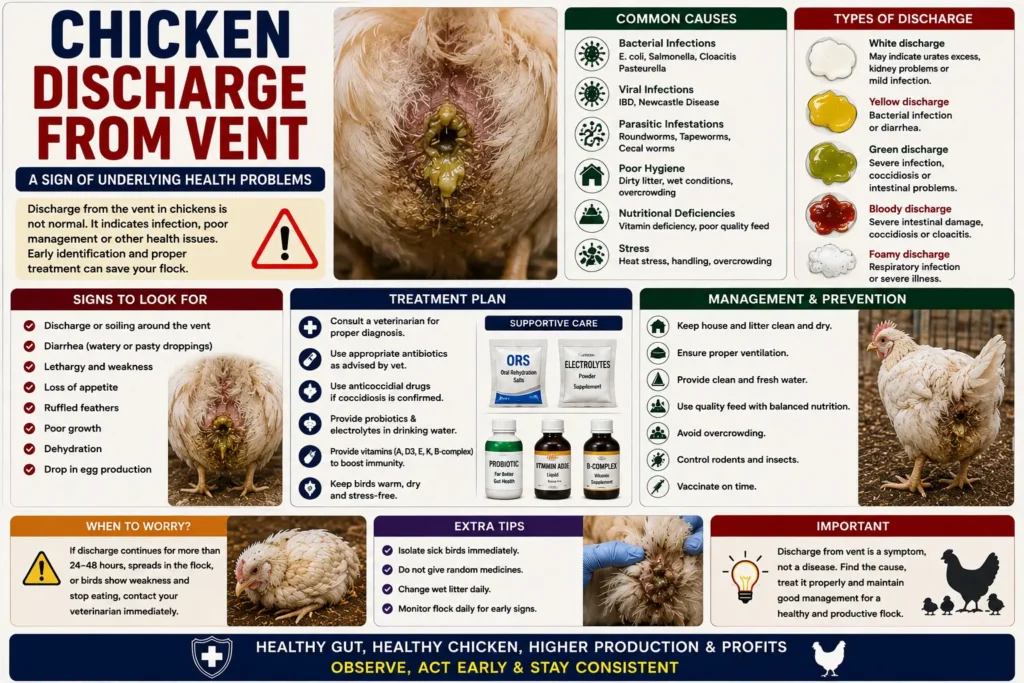
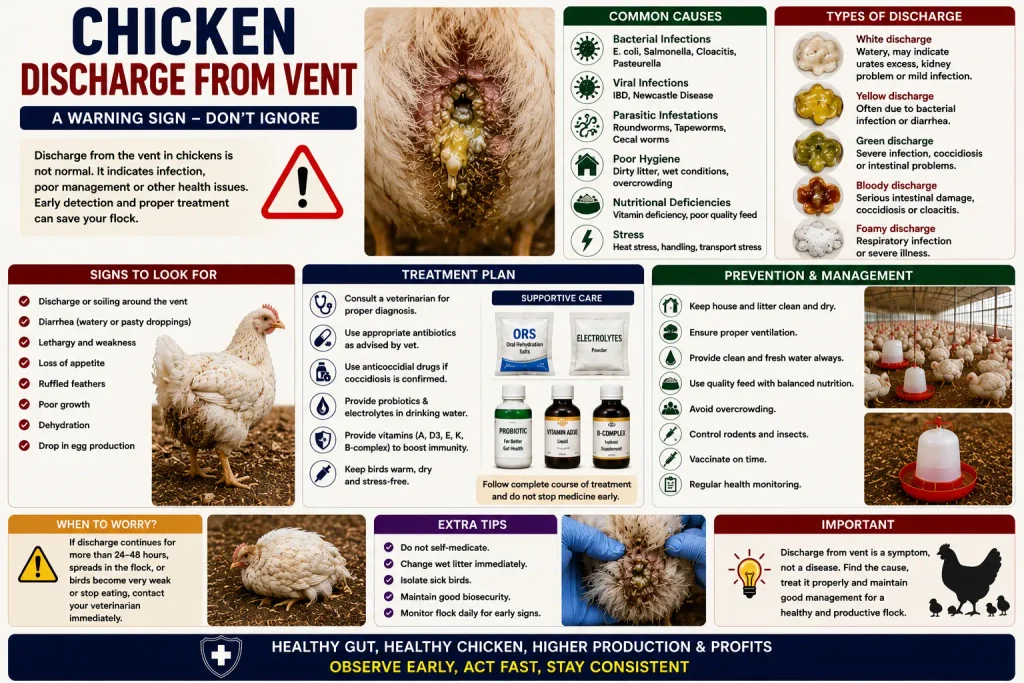
Chicken discharge from vent is one of those symptoms that tends to alarm keepers the moment they spot it, and rightly so. The vent is the single opening chickens use for droppings, urine, and egg-laying, so anything unusual coming from that area often points to a problem somewhere in the reproductive or digestive system.
Not every discharge means an emergency, but some do. This guide covers what normal vent appearance looks like, the full range of causes behind abnormal discharge, how to examine a bird safely, and when the situation moves from “watch and wait” to “call a vet today.”
Quick Answer: Chicken vent discharge usually comes from a reproductive issue like egg yolk peritonitis, salpingitis, or a stuck egg, though it can also stem from vent gleet, internal parasites, or a bacterial infection. White discharge from chicken vent, in particular, often points to a reproductive tract infection. Isolate the bird, check for straining or a swollen abdomen, and contact a vet if the discharge is thick, foul-smelling, or paired with lethargy.
Table of Contents
What a Healthy Vent Looks Like
Normal Vent Appearance
A healthy chicken’s vent is clean, pink to reddish in color, and free of swelling, crust, or persistent moisture. Some staining from normal droppings is expected, especially in hens with lighter feathering, but this should wipe away easily and not smell foul.
Recognizing Abnormal Chicken Vent Discharge
Chicken vent discharge becomes a concern when it’s persistent, has an unusual color or texture, or comes with a strong odor. The table below breaks down what different appearances commonly indicate.
| Discharge Appearance | Likely Cause | Concern Level |
| Clear, watery, occasional | Normal, may follow drinking heavily | Low |
| White, pasty, foul-smelling | Vent gleet (yeast infection) | Moderate |
| Thick white or yellow discharge | Salpingitis or reproductive infection | High |
| Cloudy discharge with straining | Egg binding or egg yolk peritonitis | High |
| Blood-tinged discharge | Injury, prolapse, or internal damage | Urgent |
| Watery discharge with diarrhea | Parasites or bacterial infection | Moderate to High |
Common Causes of Chicken Vent Discharge
1. Vent Gleet (Cloacitis)
Vent gleet is a yeast or bacterial overgrowth around the vent that produces a white, pasty, foul-smelling discharge, often with crusted feathers nearby. This condition is uncomfortable but usually treatable, and it commonly develops after stress, poor diet, or antibiotic use disrupts the bird’s normal microbial balance.
2. Salpingitis (Oviduct Infection)
Salpingitis is inflammation or infection of the oviduct, frequently producing thick white discharge from chicken vent openings, sometimes resembling cheese-like material internally. According to the Merck Veterinary Manual, salpingitis is a leading cause of reproductive disease in laying hens and can develop after bacterial infection ascends from the vent or spreads from another part of the body.
3. Egg Yolk Peritonitis
When a yolk releases into the body cavity instead of traveling down the oviduct normally, it can trigger inflammation and infection, sometimes producing discharge along with a swollen abdomen and reduced egg laying. This condition ranges from mild to life-threatening depending on how the body responds.
4. Egg Binding
A hen straining to pass a stuck egg may produce mucus-like discharge alongside a hunched posture, a “penguin walk,” and visible straining. Egg binding is considered an emergency if the hen hasn’t passed the egg within 24 hours.
5. Cloacal or Vent Prolapse
A prolapse occurs when internal tissue pushes out through the vent, sometimes accompanied by blood-tinged discharge and visible tissue. This condition needs prompt attention, since exposed tissue is vulnerable to injury and infection from flock mates.
6. Internal Parasites and Bacterial Infection
Heavy worm loads or bacterial infections such as E. coli can cause watery discharge paired with diarrhea, lethargy, and weight loss. These cases often affect more than one bird in the flock at the same time.
7. Reproductive Tract Cancer or Chronic Disease
In older hens, chronic or recurring discharge sometimes points to reproductive tumors or long-term oviduct disease. This is less common but worth ruling out in hens with repeated, unexplained symptoms.
Did You Know? Hens lay eggs and pass droppings through the same opening, the cloaca, which is divided internally into separate chambers. This shared anatomy is exactly why reproductive problems so often show up as vent discharge rather than staying hidden inside the body.
White Discharge From Chicken Vent: A Closer Look
White discharge from chicken vent openings deserves its own attention, since it’s one of the most frequently searched and most often misunderstood symptoms. Thick, cottage-cheese-like white material usually points toward salpingitis or a related oviduct infection, while a thinner, pasty white coating around the vent feathers more often suggests vent gleet.
Both conditions can look similar at a glance, which is why a hands-on check and, in persistent cases, a veterinary exam matter. Vent gleet tends to stay external and irritating, while salpingitis reflects an internal infection that can affect egg production and overall health.
Causes Compared: Chicken Vent Discharge
| Cause | Discharge Type | Other Signs | Urgency |
| Vent gleet | White, pasty, foul odor | Crusted feathers, mild irritation | Moderate |
| Salpingitis | Thick white/yellow | Reduced laying, lethargy | High |
| Egg yolk peritonitis | Cloudy, occasional | Swollen abdomen, poor appetite | High |
| Egg binding | Mucus-like | Straining, penguin walk | Urgent |
| Prolapse | Blood-tinged | Visible tissue at vent | Urgent |
| Parasites/bacteria | Watery | Diarrhea, weight loss | Moderate to High |
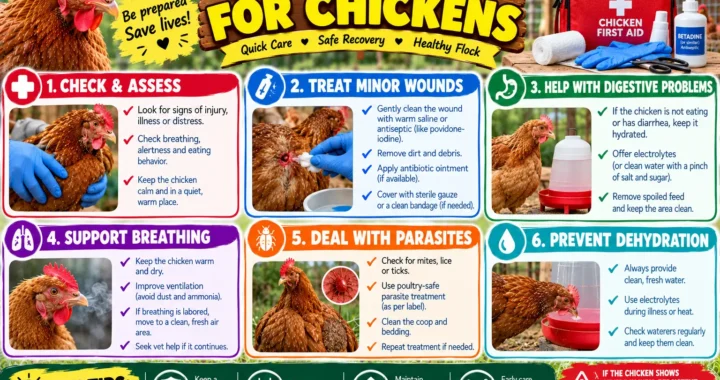
What to Do When You Notice Vent Discharge
Step-by-Step Home Assessment
- Isolate the bird. Move her to a clean, quiet space so you can observe closely and prevent flock mates from pecking at the area.
- Examine gently. Check for swelling, visible tissue, blood, or crusted discharge around the vent, using gloves if possible.
- Feel the abdomen. A swollen, fluid-filled abdomen can point toward egg yolk peritonitis or an internal infection.
- Check laying history. Note whether the hen has stopped laying, is laying soft-shelled eggs, or seems to be straining.
- Clean the area carefully. Warm water can gently remove crusted discharge without irritating the skin further.
- Offer supportive care. Electrolyte water and a calm, warm environment support a bird while you monitor or arrange a vet visit.
- Seek veterinary care for anything beyond mild, external discharge. Reproductive infections typically need prescription treatment to resolve fully.
Read More: https://lashegg.com/chicken-diarrhea/
Expert Tip
Keep a simple laying log for your hens. A sudden drop in egg production alongside vent discharge is one of the strongest clues that the cause is reproductive rather than just skin-level irritation.
Common Mistakes to Avoid
- Assuming all vent discharge is “just gleet” without checking for straining or a swollen abdomen
- Attempting to manually reposition a prolapse without guidance, which can cause further injury
- Delaying care for a hen that hasn’t passed an egg within 24 hours
- Treating with random topical products before identifying the actual cause
- Ignoring a sudden drop in egg-laying that coincides with discharge
Warning
Never attempt to treat suspected salpingitis, egg yolk peritonitis, or prolapse with home remedies alone. These conditions often require prescription antibiotics, anti-inflammatory care, or in some cases, surgical intervention, and delays can quickly become life-threatening.
Diagnosing the Cause of Chicken Vent Discharge
What a Vet May Check
- Abdominal palpation to check for fluid, swelling, or an egg
- Vent and cloacal examination for prolapse or visible infection
- Fecal testing to rule out parasites
- Blood work to assess infection or inflammation levels
- Imaging, such as X-ray or ultrasound, in persistent or unclear cases
Why Lab Work Matters
Because several causes of chicken vent discharge look alike from the outside, diagnostic testing removes the guesswork. University extension poultry programs and veterinary references consistently note that self-diagnosis based on appearance alone can lead to ineffective or even harmful treatment choices.
When to Call a Vet
Contact a poultry veterinarian if the discharge is thick, foul-smelling, or persistent; if the hen strains without producing an egg within a day; if you see blood or visible tissue; or if discharge is paired with lethargy, a swollen abdomen, or a sudden stop in egg-laying.
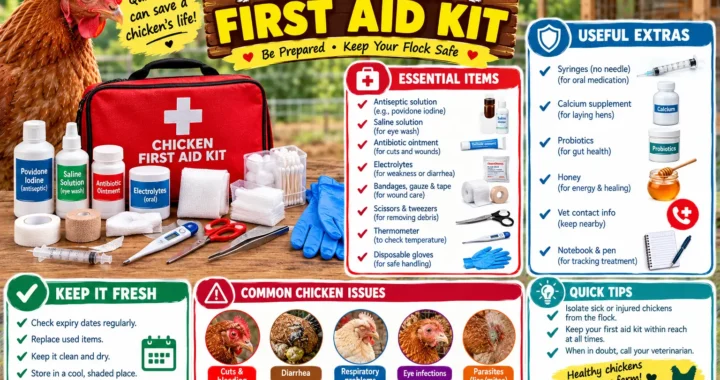
Treatment Options Based on Cause
| Diagnosis | Typical Treatment | Recovery Outlook |
| Vent gleet | Cleaning, antifungal treatment, diet review | Good, days to weeks |
| Salpingitis | Vet-prescribed antibiotics, supportive care | Variable, needs monitoring |
| Egg yolk peritonitis | Antibiotics, anti-inflammatories, sometimes surgery | Guarded to good |
| Egg binding | Warm bath, lubrication, vet assistance if needed | Good if treated within 24 hrs |
| Prolapse | Vet-guided repositioning, wound care | Variable, depends on severity |
| Parasites/infection | Dewormer or antibiotics as appropriate | Good with early treatment |
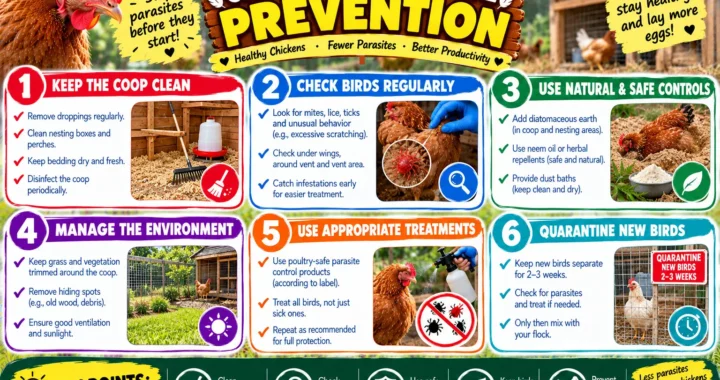
Preventing Chicken Vent Discharge
Diet and Nutrition
- Provide a complete, balanced layer feed with adequate calcium for shell strength
- Avoid excess protein or calcium, which can contribute to reproductive strain over time
- Ensure clean, constant water access to support overall organ function
Flock and Coop Management
- Keep nesting boxes clean to reduce bacterial exposure around the vent
- Manage body weight, since overweight hens face higher rates of reproductive issues
- Reduce stress from overcrowding, aggressive flock mates, or sudden environmental changes
Routine Monitoring
Handling your hens regularly and checking the vent area during routine health checks helps catch chicken discharge from vent issues before they progress. Tracking laying patterns over time also makes it easier to notice reproductive problems early.
People Also Ask
What does white discharge from chicken vent usually mean? White discharge from chicken vent openings often points to vent gleet or a reproductive infection like salpingitis, and the exact texture and smell help tell the two apart.
Is chicken vent discharge always related to egg-laying? Not always. While many cases trace back to the reproductive tract, parasites, bacterial infections, and yeast overgrowth can all cause discharge unrelated to egg production.
Can vent gleet go away on its own? Mild cases sometimes improve with cleaning and dietary correction, but persistent or worsening vent gleet usually needs targeted antifungal or antibacterial treatment to fully resolve.
Is chicken vent discharge contagious to other birds? Vent gleet and some bacterial infections can spread within a flock through shared nesting areas and close contact, so isolating an affected bird is a reasonable precaution.
Should I stop a hen from laying if she has vent discharge? You can’t directly stop laying, but reducing stress and ensuring proper nutrition supports recovery, and a vet can advise on managing egg production during treatment for reproductive infections.
Final Thoughts
Chicken discharge from vent openings covers a wide range of causes, from a manageable yeast overgrowth to a serious reproductive infection that needs prompt veterinary treatment. Paying attention to color, texture, smell, and any accompanying signs like straining or a drop in egg-laying makes a real difference in catching problems early.
Keep monitoring the vent area during routine flock checks, and don’t wait to involve a poultry veterinarian when chicken vent discharge is thick, foul-smelling, blood-tinged, or paired with other signs of illness.
5. FAQ
Q: What causes chicken discharge from vent that smells bad? A: A strong odor usually points to vent gleet or a bacterial infection rather than a simple, normal discharge, and it typically needs targeted treatment to clear up.
Q: How can I tell if vent discharge is an emergency? A: Thick discharge with straining, blood, visible tissue, or a swollen abdomen all signal an emergency that needs same-day veterinary attention.
Q: Does chicken vent discharge affect egg production? A: Yes, reproductive causes like salpingitis or egg yolk peritonitis commonly reduce or stop egg-laying while the underlying infection or inflammation is active.
Q: Can diet cause chicken vent discharge? A: Diet doesn’t directly cause discharge, but poor nutrition and excess calcium or protein can weaken the reproductive system and make infections more likely over time.
Q: Is white discharge from chicken vent dangerous in roosters? A: Roosters don’t have the same reproductive anatomy as hens, so vent discharge in a rooster more often points to infection, parasites, or injury rather than egg-related causes, and it still warrants a closer look.