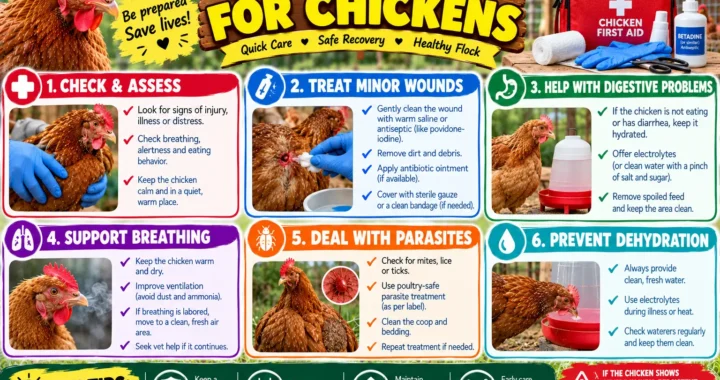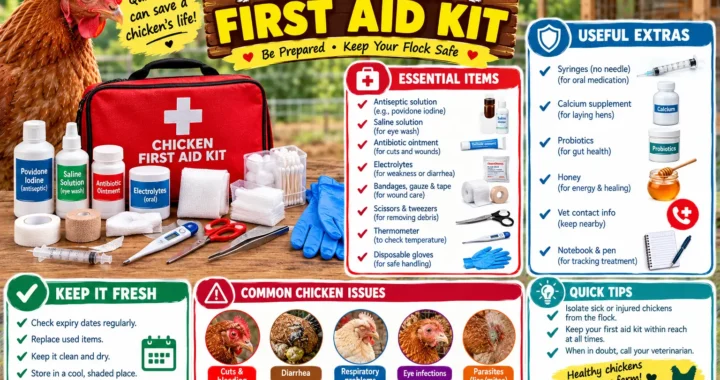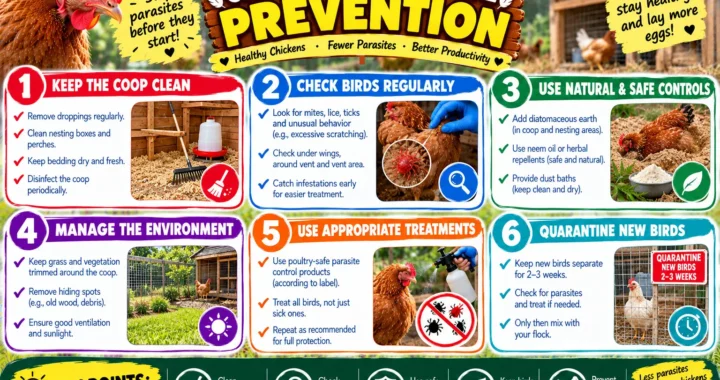
Chicken Diarrhea: What It Means and Why It Happens

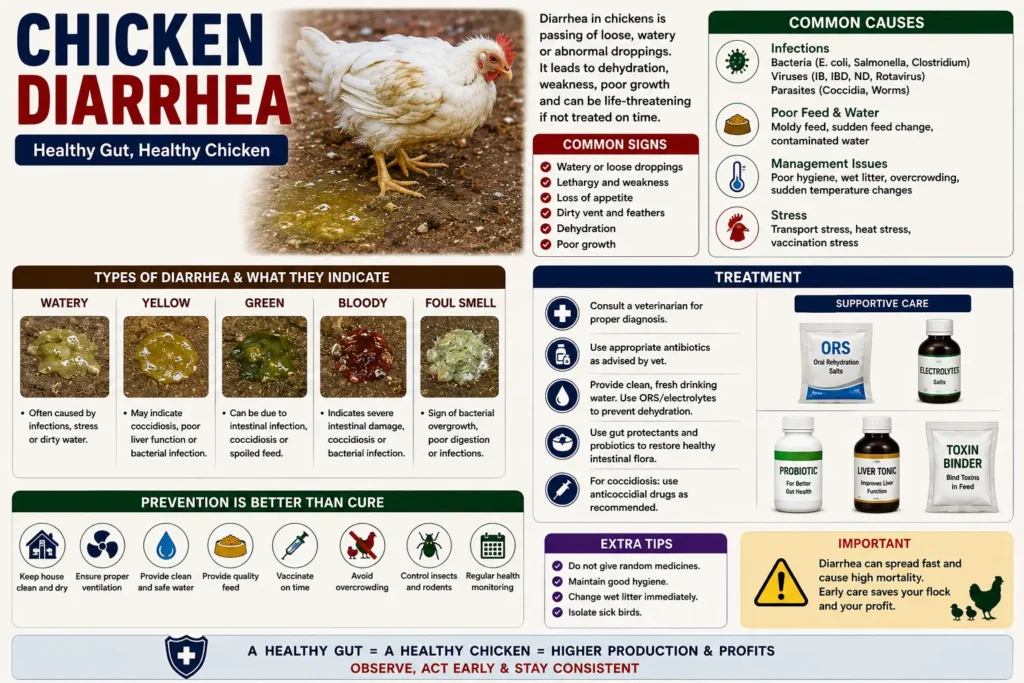
Chicken diarrhea is one of the most common reasons backyard keepers reach for their phone to search for answers, and for good reason. Loose or watery droppings can mean anything from a hot afternoon and too much watermelon to a serious parasite or bacterial infection working through your flock.
Normal chicken droppings are firm, brown or greenish, and topped with a small cap of white urate. Anything consistently runny, discolored, or foul-smelling is worth paying attention to. This guide breaks down every major cause, how to tell them apart, and exactly what to do next.
Quick Answer: Chicken diarrhea usually comes from diet changes, heat stress, internal parasites like coccidia or worms, or a bacterial infection. Watch for how long it lasts, whether blood or mucus is present, and whether the bird still eats and acts normal. Isolate any bird with ongoing diarrhea, offer clean water with electrolytes, and call a vet if symptoms last more than two days or the bird looks weak.
Table of Contents
Normal vs. Abnormal Chicken Droppings
What Healthy Droppings Look Like
Chickens produce two main types of droppings. Regular droppings are firm and log-shaped with a white cap of urates on top. Cecal droppings, passed once or twice a day, are thinner, darker, and pastier, and this is completely normal, not diarrhea.
Recognizing Watery Chicken Poop
Watery chicken poop that lacks any solid form, happens repeatedly, or comes in unusual colors is the clearest sign of true diarrhea. Compare what you’re seeing against the table below before assuming the worst.
| Dropping Type | Appearance | Normal? |
| Regular dropping | Firm, brown/green, white urate cap | Yes |
| Cecal dropping | Thin, dark, pasty, 1–2 times daily | Yes |
| Yellow, foamy diarrhea | Runny, yellow or foamy | No |
| Bloody diarrhea | Red streaks or clots in loose stool | No, urgent |
| Green watery diarrhea | Bright green, no form | No |
| White, chalky diarrhea | Pasty white, runny | No |
Common Chicken Diarrhea Causes
1. Diet-Related Diarrhea
A sudden change in feed, too many watery treats like melon or cucumber, or spoiled feed can all trigger short-term diarrhea. This is usually the mildest and most temporary of all chicken diarrhea causes, and it typically clears up once the diet is corrected.
2. Heat Stress
Hot weather makes chickens drink far more water than usual, which naturally loosens their droppings. This kind of diarrhea isn’t a disease on its own, but it can signal that a bird is struggling to stay cool.
3. Internal Parasites (Coccidiosis and Worms)
Coccidiosis remains one of the leading chicken diarrhea causes worldwide, particularly in young or newly introduced birds. The Merck Veterinary Manual identifies coccidiosis as a major cause of intestinal disease in poultry, often producing bloody or mucus-streaked droppings along with lethargy and pale combs. Roundworms and other internal parasites can cause similar loose, foul-smelling stool over time.
4. Bacterial Infections
Salmonella, E. coli, and other bacteria can cause sudden, severe diarrhea, sometimes green or yellow, along with lethargy and reduced appetite. These infections can spread quickly through a flock and, in some cases, pose a risk to human handlers as well, which is why hand-washing after coop chores matters.
5. Viral Infections
Viruses such as infectious bursal disease or avian influenza can include diarrhea among a broader set of symptoms like respiratory distress or sudden death. Diarrhea alone rarely confirms a viral cause, but combined with other systemic signs, it raises the level of concern significantly.
6. Stress-Related Diarrhea
Transport, a new flock introduction, predator scares, or extreme temperature swings can all cause short bursts of stress-related diarrhea, usually resolving within a day once the stressor passes.
7. Toxins and Spoiled Feed
Moldy feed containing mycotoxins is a well-documented cause of digestive upset in poultry. According to the USDA, proper feed storage in dry, rodent-proof containers is one of the simplest ways to prevent this entirely.
Did You Know? A chicken’s digestive tract moves food through in as little as a few hours, which is much faster than in mammals. This rapid transit time is why diet changes show up in the droppings so quickly.
Read More: https://lashegg.com/chicken-lethargic-and-weak/
Chicken Diarrhea Causes at a Glance
| Cause | Duration | Other Signs | Flock Risk |
| Diet change | 1–2 days | None, bird acts normal | Low |
| Heat stress | While hot | Panting, wings held out | Low |
| Coccidiosis | Days, worsens if untreated | Blood in stool, pale comb, weakness | High |
| Worms | Weeks if untreated | Weight loss, pale comb | Moderate |
| Bacterial infection | Sudden onset | Lethargy, poor appetite | High |
| Viral infection | Variable | Respiratory signs, sudden death | High |
| Stress | 1 day, self-resolving | Hiding, reduced eating | Low |
| Moldy feed/toxins | Sudden onset | Neurological signs possible | Low, but urgent |
What to Do About Chicken Diarrhea at Home
Step-by-Step Home Care
- Observe before reacting. A single loose dropping after a hot day or a treat-heavy afternoon rarely needs treatment. Watch for 12–24 hours first.
- Isolate if it continues. If chicken diarrhea persists past a day, or if you see blood, move the bird to a separate space to protect the rest of the flock.
- Check hydration. Offer clean water with a poultry electrolyte solution to replace fluids and minerals lost through loose droppings.
- Review the diet. Cut back on treats and stick to a complete, age-appropriate feed until droppings return to normal.
- Inspect the coop. Damp, dirty litter encourages coccidia and bacteria to multiply, so clean and dry the bedding promptly.
- Watch for other symptoms. Track appetite, energy, comb color, and breathing alongside the droppings themselves.
- Contact a vet when needed. Persistent, bloody, or flock-wide diarrhea calls for professional diagnosis rather than guesswork.
Expert Tip
Take a photo of the droppings each day you’re monitoring a bird. Comparing images side by side makes it much easier to notice whether the color, consistency, or frequency is actually improving or getting worse.
Common Mistakes to Avoid
- Assuming all loose droppings are diarrhea, when cecal droppings are normal
- Treating the whole flock with medication before confirming a cause
- Ignoring blood in the droppings because the bird “still seems fine”
- Overcorrecting the diet by removing all treats and greens permanently
- Delaying isolation of a sick bird, which allows disease to spread
Warning
Never administer human antidiarrheal medication or unproven herbal remedies to a chicken. Dosing poultry incorrectly, especially with medications designed for mammals, can cause serious harm or death.
Diagnosing the Cause of Watery Chicken Poop
What to Check Yourself
- Color of the droppings (yellow, green, white, or red-tinged)
- Presence of blood, mucus, or undigested feed
- Whether one bird or several birds are affected
- Recent changes in diet, weather, or new flock additions
- Comb color, energy level, and appetite
When Lab Testing Is Needed
A fecal float test can confirm coccidia or worm eggs, while a bacterial culture identifies infections like Salmonella or E. coli. According to university extension poultry programs, lab confirmation is the only reliable way to distinguish between causes that look similar on the surface but require very different treatments.
When to Call a Vet
Contact a poultry veterinarian if chicken diarrhea lasts more than 48 hours, contains blood or mucus, affects multiple birds at once, or is paired with lethargy, weight loss, or reduced egg production. Diarrhea in young chicks always deserves faster attention, since dehydration sets in quickly at that size.
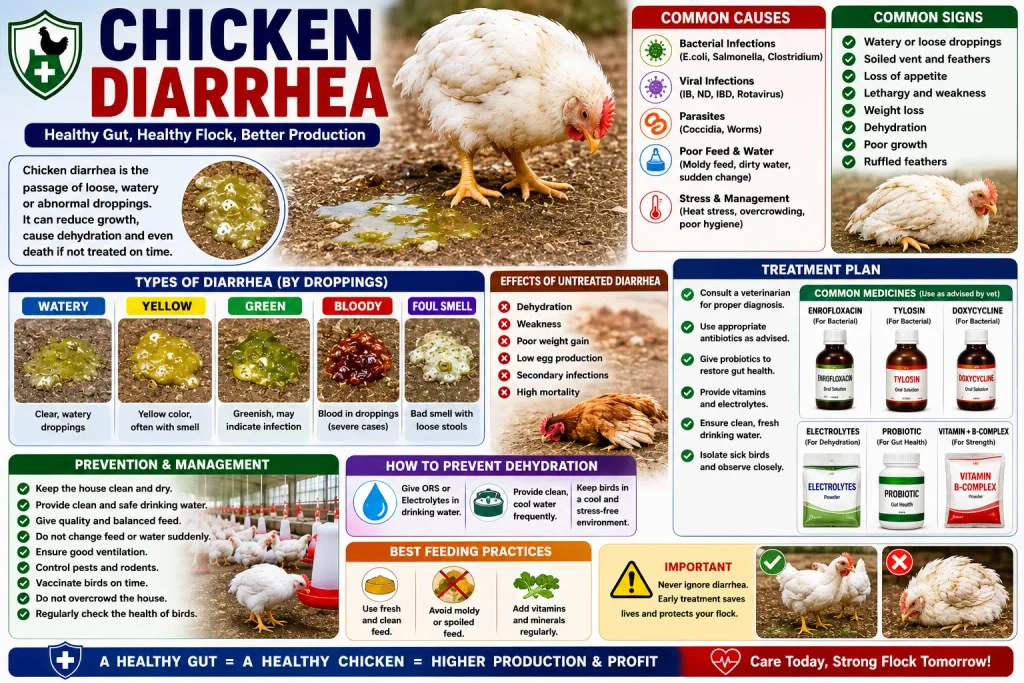
Treatment Options by Cause
| Diagnosis | Typical Treatment | Recovery Time |
| Diet-related | Return to standard feed, limit treats | 1–2 days |
| Heat stress | Shade, cool water, electrolytes | Hours to 1 day |
| Coccidiosis | Amprolium treatment, dry clean litter | 1–2 weeks |
| Worms | Vet-approved dewormer | 1–2 weeks |
| Bacterial infection | Vet-prescribed antibiotics | Variable |
| Viral infection | Supportive care, vet guidance | Variable, case-dependent |
| Toxin exposure | Remove source, supportive care | Depends on severity |
Preventing Chicken Diarrhea
Feed and Water Management
- Store feed in sealed, dry containers away from rodents
- Introduce new treats gradually and in moderation
- Provide clean, fresh water daily, more often in hot weather
- Use a feed appropriate for the bird’s age and purpose
Coop Hygiene
Damp litter is one of the biggest drivers of coccidiosis outbreaks. Keeping bedding dry, removing droppings regularly, and improving ventilation all reduce the parasite load a flock is exposed to.
Flock Management
- Quarantine new birds for at least two weeks before mixing flocks
- Avoid overcrowding, which raises stress and disease transmission
- Schedule routine fecal checks, especially in larger or mixed-age flocks
People Also Ask
What color is chicken diarrhea when it’s serious? Bright red or dark, tarry droppings usually mean blood is present, which points to coccidiosis or another serious internal issue and needs prompt veterinary attention.
Can chicken diarrhea spread to humans? Yes, certain causes like Salmonella can transfer to humans through direct contact with droppings, which is why washing hands thoroughly after handling sick birds or cleaning coops matters.
Is watery chicken poop always a sign of illness? Not always. Hot weather, overripe treats, or a stressful event can all cause temporary watery chicken poop that resolves on its own within a day.
How long does chicken diarrhea usually last? Mild, diet-related diarrhea often clears in a day or two, while diarrhea from parasites or infection can persist or worsen without targeted treatment.
Should I withhold food from a chicken with diarrhea? No, chickens should continue eating a normal, balanced diet during diarrhea unless a vet advises otherwise, since withholding food can worsen weakness and slow recovery.
Final Thoughts
Chicken diarrhea covers a wide range of possibilities, from a simple reaction to hot weather or too many treats to a sign of coccidiosis, worms, or bacterial infection. Reading the droppings, watching the bird’s overall behavior, and tracking how long symptoms last will tell you far more than the diarrhea alone.
Keep monitoring appetite, energy, and comb color any time you notice ongoing chicken diarrhea, and don’t hesitate to involve a poultry veterinarian when symptoms last more than a day or two, involve blood, or spread across the flock.
5. FAQ
Q: What does it mean when a chicken has diarrhea but is still eating? A: It often points to a mild cause like diet or heat, though it’s still worth watching closely for 24–48 hours in case symptoms progress or other signs appear.
Q: Can stress cause chicken diarrhea? A: Yes, transport, new flock introductions, and predator scares can trigger short-term stress-related diarrhea that usually resolves once the bird settles down.
Q: What is the fastest home remedy for chicken diarrhea? A: There is no single fast fix, but offering clean water with poultry electrolytes, returning to a standard feed, and keeping the coop dry supports recovery from mild cases.
Q: How do I know if my chicken’s diarrhea is coccidiosis? A: Blood-tinged or mucus-filled droppings, paired with lethargy and a pale comb, strongly suggest coccidiosis, though a fecal test from a vet confirms the diagnosis.
Q: Is chicken diarrhea common in young chicks? A: Yes, chicks are especially vulnerable to coccidiosis and bacterial infections, and any diarrhea in chicks should be treated as more urgent than in adult birds due to faster dehydration.