What Is the Best Diet to Prevent Lash Eggs? A Straight Answer First

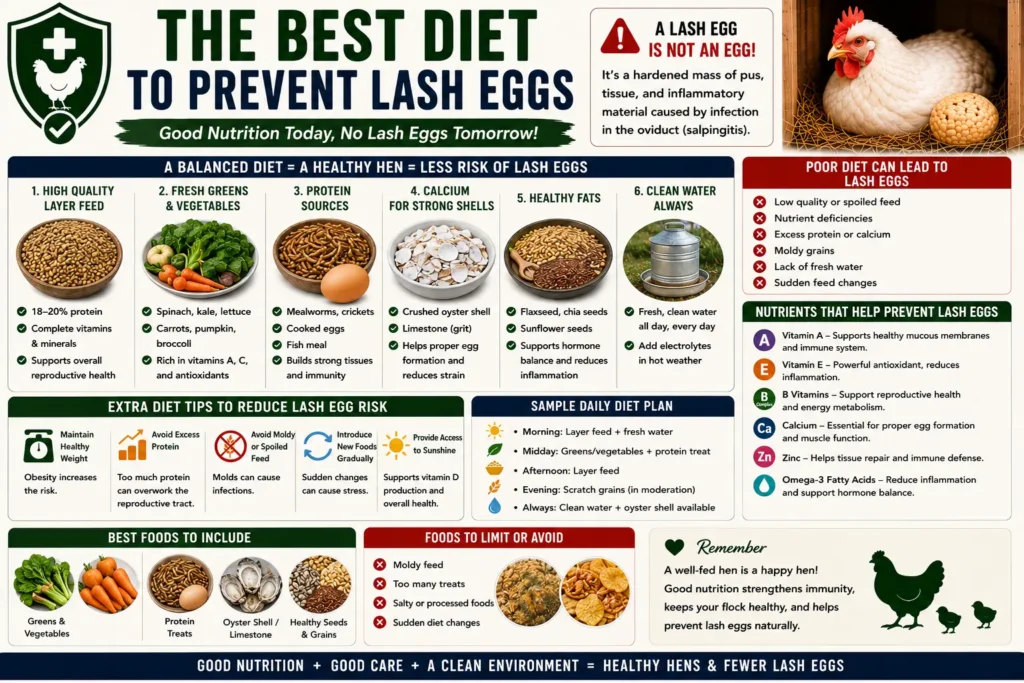
If you found a strange, rubbery, layered mass in your nesting box instead of a normal egg, you are probably searching for the best diet to prevent lash eggs before this happens again. The short answer: a balanced layer feed with the correct calcium level, steady protein, clean water, and low stress load is your strongest nutritional defense. Diet alone cannot cure an active infection, but it can lower the odds of one starting.
Lash eggs are not eggs at all. They are a buildup of pus, tissue, and inflammatory material shaped like an egg because it travels through the oviduct. They form when a hen has salpingitis, an infection or inflammation of the oviduct, often linked to E. coli, other bacteria, or internal laying. Nutrition will not fix an infection that has already taken hold, but the right feeding program reduces the conditions that let one start.
Quick Answer: The best diet to prevent lash eggs is a complete, age-appropriate layer feed (16–18% protein) with 3.5–4.5% calcium, offered alongside free-choice oyster shell, clean water, and consistent feeding times. Skipping layer feed, feeding too many treats, or letting calcium run low are the most common dietary mistakes linked to reproductive stress in hens.
Nutrition is one piece of prevention. The rest of this guide covers what causes lash eggs, how calcium and layer feed fit into oviduct health, what a full prevention plan looks like, and when a lash egg means it’s time to call a vet rather than adjust the feed bin.
Table of Contents
What Causes Lash Eggs in Chickens
Lash eggs form when the oviduct becomes inflamed or infected. Several things can trigger that inflammation, and diet plays a supporting role in most of them.
- Bacterial infection (most common): E. coli, Salmonella, and other bacteria can travel up the vent and infect the reproductive tract.
- Internal laying: When a yolk releases from the ovary but doesn’t enter the oviduct properly, the body treats it as a foreign object and walls it off with inflammatory tissue.
- Respiratory disease history: Infections like infectious bronchitis or mycoplasma can damage the oviduct lining, making it easier for bacteria to take hold later.
- Genetics and breed tendencies: Hybrid heavy layers bred for high egg output are more prone to reproductive tract stress than slower-laying heritage breeds.
- Poor nutrition over time: Low calcium, inconsistent protein, or unbalanced diets weaken shell quality and put extra strain on the reproductive system.
- Obesity or poor body condition: Overweight hens and severely underweight hens both carry higher reproductive risk.
Read More: https://lashegg.com/can-lash-eggs-be-prevented/
Is the Best Diet to Prevent Lash Eggs Enough on Its Own?
No single feeding change guarantees a hen never develops a lash egg. Diet lowers risk; it doesn’t remove it. Genetics, past illness, and age also matter. A hen fed perfectly can still develop salpingitis, especially if she’s an older high-production breed. Think of diet as risk reduction, not immunity.
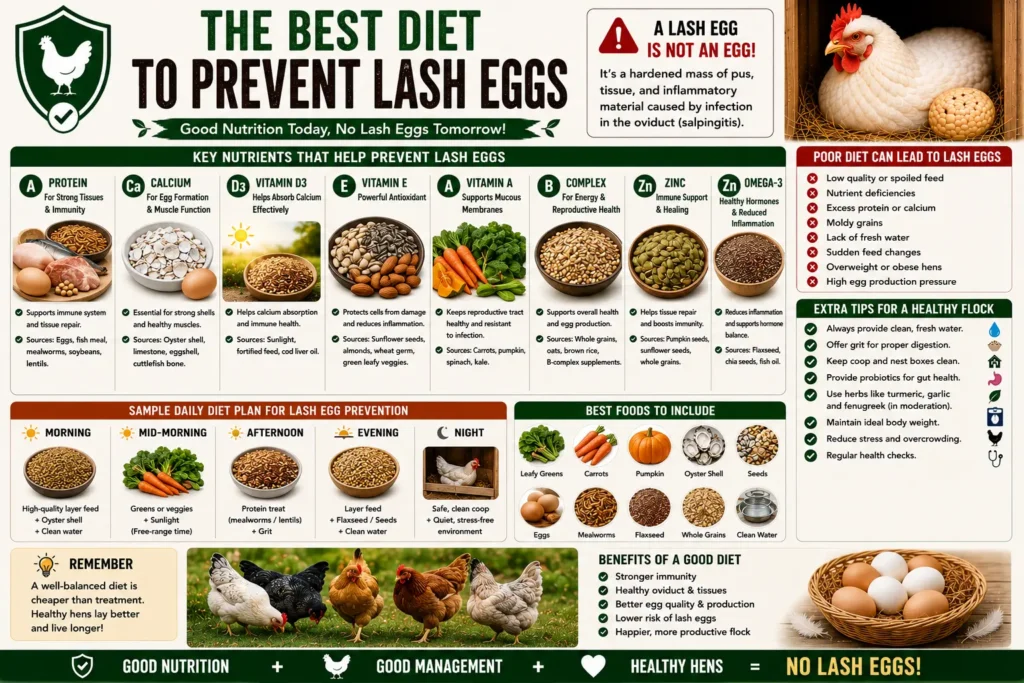
Why Calcium Matters for Reproductive Health
Calcium is the mineral most people associate with eggshells, but its role goes further than that. Laying hens move enormous amounts of calcium daily. A hen laying an egg nearly every day pulls calcium from her diet and, when diet falls short, from her own bones.
How Calcium Deficiency Connects to Reproductive Stress
When calcium intake doesn’t match demand, the body pulls reserves from the medullary bone. Over time this can lead to weak, thin-shelled, or shell-less eggs. Shell gland stress and abnormal egg formation are linked, in various studies, to broader reproductive tract irritation, which can make the oviduct more vulnerable to infection.
Chickens don’t need calcium supplementation constantly at the same rate — pullets not yet laying need far less than active layers. Feeding high-calcium layer feed to chicks or juveniles can actually damage developing kidneys, so calcium timing matters as much as the amount.
| Life Stage | Approximate Calcium Need | Feed Type |
| Chicks (0–8 weeks) | 0.9–1.2% | Starter feed |
| Pullets (8–18 weeks) | 1–1.25% | Grower feed |
| Active layers (18+ weeks) | 3.5–4.5% | Layer feed + free-choice oyster shell |
| Molting/non-laying hens | Reduce slightly | Maintenance or flock raiser feed |
Best Calcium Sources for Layer Hens
- Crushed oyster shell — the gold standard, offered free-choice in a separate dish.
- Layer feed with limestone — already formulated into most commercial layer diets.
- Crushed, baked eggshells — a free backyard option; bake and crush finely so hens don’t recognize them as eggs.
- Avoid giving oyster shell mixed directly into feed for a mixed-age flock; free-choice dishes let each hen self-regulate.
Expert Tip: Offer oyster shell in a separate container, never mixed into the daily feed for a mixed-age flock. Hens that need it will eat it; those that don’t will leave it alone.
Layer Feed: The Foundation of Lash Egg Prevention
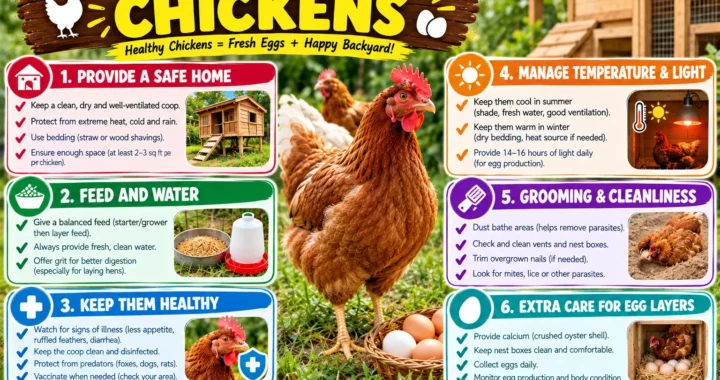
A quality layer feed is formulated specifically for hens in active egg production. It balances protein, calcium, phosphorus, vitamins, and energy in ratios that support consistent laying without overtaxing the reproductive system.
What to Look For in a Layer Feed
- Protein between 16–18%. Too little protein weakens egg white and yolk formation; too much, long-term, can stress the kidneys and liver.
- Calcium around 3.5–4.5%. Confirm this on the feed tag; brands vary.
- Balanced phosphorus. Calcium and phosphorus work as a pair; an imbalance between them undermines both.
- Vitamin D3. Needed for the body to actually absorb and use dietary calcium.
- No excess filler or treat dilution. Scratch grains, table scraps, and too many treats can dilute the nutrient balance of a complete feed.
Layer Feed vs. All-Flock Feed vs. Scratch
| Feed Type | Protein | Calcium | Best For |
| Layer feed | 16–18% | 3.5–4.5% | Flocks of laying hens only |
| All-flock/flock raiser | 18–20% | ~1% | Mixed flocks (roosters, chicks, layers together) |
| Scratch grains | Varies, low | Minimal | Treat only, not a complete diet |
If you run a mixed flock with roosters or chicks, an all-flock feed plus separate free-choice oyster shell is usually the safer combination, since roosters and young birds shouldn’t get full layer-level calcium.
Common Mistakes with Layer Feed
Common Mistakes:
- Switching brands or formulas too often, which disrupts consistent nutrient intake.
- Letting treats and scratch make up more than 10% of daily intake.
- Storing feed too long, letting vitamins degrade before it’s eaten.
- Assuming “premium” or “organic” labels always mean higher calcium — always check the guaranteed analysis.
Building a Full Prevention Plan: Beyond Just Feed
Diet is the foundation, but lash egg prevention works best as a full-flock health strategy.
Hydration and Water Quality
Dehydration concentrates urine and reduces kidney efficiency, which indirectly affects how well a hen processes calcium and clears bacteria. Clean, algae-free water changed daily is a simple but often overlooked step.
Biosecurity to Reduce Bacterial Load
Since E. coli and other bacteria are the leading trigger for salpingitis, reducing bacterial exposure matters as much as diet.
- Keep nesting boxes clean and dry.
- Remove wet, soiled bedding promptly.
- Avoid overcrowding, which raises stress hormones and lowers immune resilience.
- Quarantine new birds for at least two weeks before flock integration.
Weight Management
Both overweight and underweight hens show higher reproductive tract issues. Free-range access, appropriate feed amounts, and avoiding excess high-fat treats (like too much corn or bread) help hens stay in a healthy weight range.
Reducing Stress
Heat stress, predator scares, sudden diet changes, and overcrowding all raise cortisol, which can suppress immune function and make infection more likely. Consistent routines matter more than people often expect.
Did You Know?
Did You Know? Hens that free-range and forage often show better reproductive tract health on average than hens fed a single monotonous diet, likely due to broader micronutrient intake — though a complete layer feed should still be their nutritional base, not a replacement.
Sample Daily Feeding Guide for Active Layers
- Morning: Fresh layer feed available at all times (free-choice, not rationed for most backyard setups).
- Midday: Check water is clean and full; offer leafy greens or foraged forage in moderation.
- Ongoing: Free-choice oyster shell in a separate dish, always available.
- Occasional treats: Limit scratch grains, mealworms, or kitchen scraps to under 10% of total daily intake.
- Weekly: Check feed for mold, dampness, or pest contamination; discard if compromised.
Symptoms That Suggest More Than a Diet Problem
Diet adjustments help with prevention, but some symptoms point toward an active infection that needs veterinary attention rather than a feed change.
| Symptom | Likely Meaning | Action |
| One-time lash egg, hen acting normal | Possible mild or resolved inflammation | Monitor closely, review diet |
| Repeated lash eggs | Ongoing salpingitis | Veterinary evaluation recommended |
| Lethargy, appetite loss | Systemic infection possible | Vet visit needed |
| Swollen abdomen (“penguin stance”) | Fluid buildup, possible egg yolk peritonitis | Urgent vet care |
| Foul-smelling discharge | Bacterial infection | Vet visit needed |
| Pale comb, weight loss over time | Chronic illness | Vet evaluation |
When to Call a Vet: Contact a poultry-experienced veterinarian if a hen produces more than one lash egg, shows abdominal swelling, stops eating, becomes lethargic, or has vent discharge. Lash eggs are a sign of an internal problem that diet changes cannot reverse once infection is established.
Warning: Do not attempt to treat a suspected internal infection with antibiotics purchased without veterinary guidance. Incorrect dosing can worsen resistance issues and won’t address underlying anatomical problems like adhesions from prior infection.
People Also Ask
Can a hen lay again after a lash egg? Yes, many hens continue laying normal eggs after a single lash egg, especially if the underlying inflammation resolves. Repeated lash eggs suggest a more chronic problem that warrants veterinary evaluation.
Is a lash egg contagious to other hens? The lash egg itself isn’t contagious, but the underlying bacteria, such as E. coli, can spread through a flock via shared water, nesting boxes, or droppings. Good sanitation reduces spread risk.
Does age make lash eggs more likely? Yes. Older hens and hybrid breeds selected for high egg output tend to show more reproductive tract issues over time, partly due to cumulative wear on the oviduct from years of laying.
What does a lash egg actually look like? It typically looks firm, rubbery, and layered, ranging from white or yellow to brown, sometimes shaped somewhat like an egg but without a true shell.
Can too much calcium cause problems too? Yes, particularly in non-laying hens, pullets, or roosters. Excess calcium in birds that aren’t actively laying can strain kidneys over time, which is why calcium should be offered free-choice rather than mixed into feed for mixed-age or mixed-sex flocks.
Conclusion
There isn’t a single magic food that guarantees your flock never sees a lash egg, but the best diet to prevent lash eggs comes down to fundamentals done consistently: a complete, age-appropriate layer feed, free-choice calcium through oyster shell, clean water, controlled treats, and low-stress living conditions. These habits support a healthy oviduct and reduce the bacterial and physical stress that leads to reproductive tract inflammation.
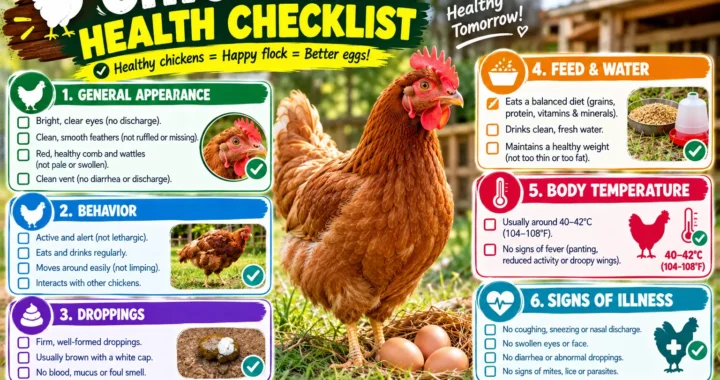
Diet is prevention, not treatment. If a hen produces a lash egg, especially more than once, or shows any signs of illness alongside it, a poultry-experienced veterinarian should examine her. Keep watching your flock’s egg quality, behavior, and appetite closely — those daily observations catch problems long before a feed bag ever could.
5. FAQ
What is the best diet to prevent lash eggs in backyard chickens? A complete layer feed with 16–18% protein and 3.5–4.5% calcium, paired with free-choice oyster shell, clean water, and limited treats, gives hens the strongest nutritional foundation against reproductive tract stress.
How much calcium do laying hens need daily to help prevent lash eggs? Active layers generally need feed containing 3.5–4.5% calcium, supplemented with free-choice oyster shell so each hen can regulate her own intake based on her laying rate.
Can changing to a better layer feed cure an existing lash egg problem? No. Layer feed and calcium support prevention, but an active infection causing lash eggs requires veterinary diagnosis and treatment, not just a feed change.
Do free-range hens get lash eggs less often than confined hens? Free-ranging can support broader nutrient intake and lower stress, both of which help, but it does not eliminate risk, since bacterial exposure and genetics still play major roles.
Is oyster shell better than crushed eggshell for preventing lash eggs? Both provide calcium, but oyster shell is denser and more consistent in calcium content. Crushed, baked eggshell is a reasonable free supplement but should be baked and crushed fine to prevent egg-eating habits.