Chicken Dust Bath: A Normal, Important Behavior

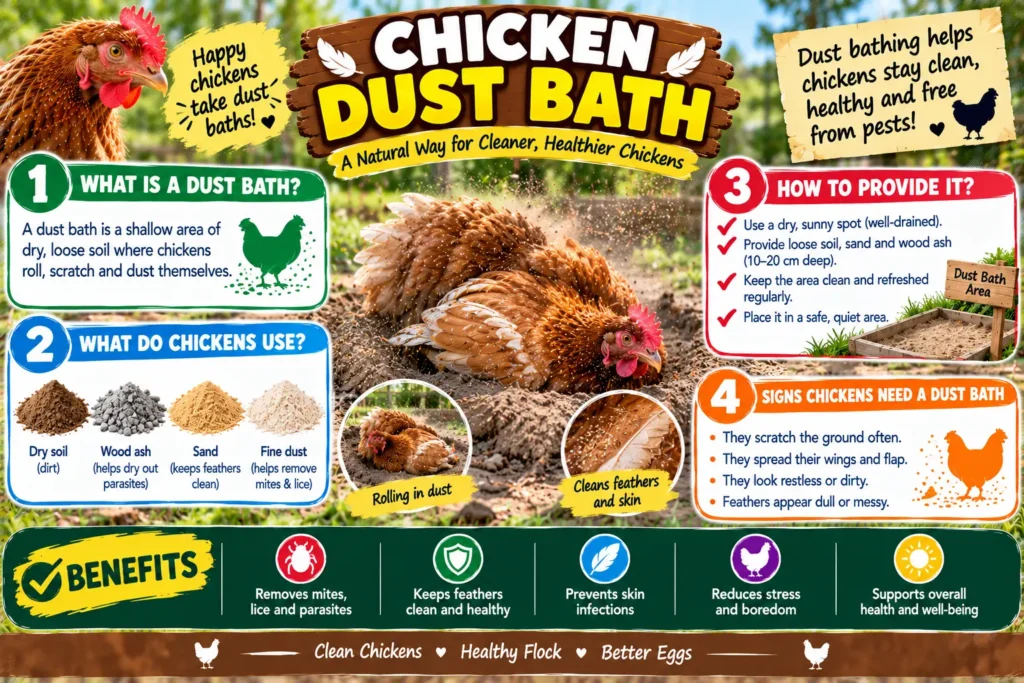
A chicken dust bath looks a little alarming the first time you see it, a hen flopped on her side in a shallow dirt hole, flinging dust over her body, wings splayed, sometimes lying still enough to worry a new keeper. This is completely normal, instinctive behavior, not a sign of illness or distress.
This guide covers exactly why dust bathing chickens do this, the real benefits behind it, and how to build and maintain a dust bath area that supports this natural behavior well.
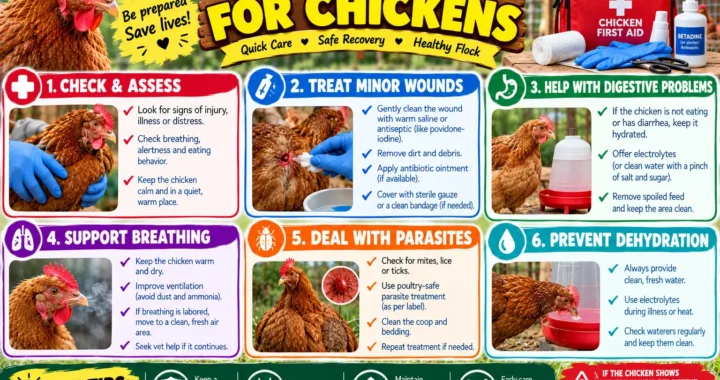
Quick Answer: A chicken dust bath serves several real purposes: it helps control external parasites like mites and lice, removes excess oil from feathers, and supports social bonding and general comfort. Providing a dedicated dust bath area with fine, dry dirt or sand, ideally with added wood ash or diatomaceous earth, supports this behavior even in coops without natural bare dirt access.
Table of Contents
Why Chickens Dust Bathe
Parasite Control
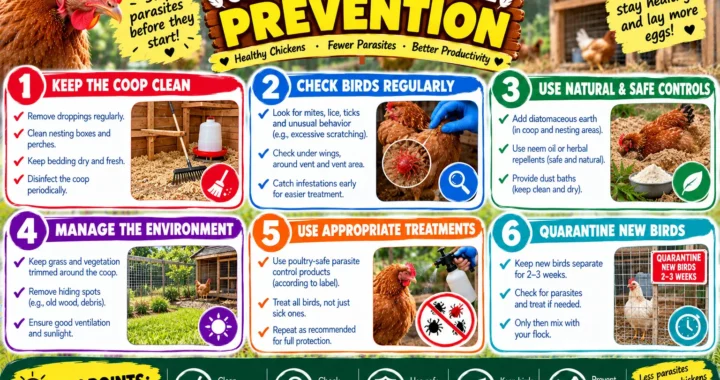
The primary, well-documented function of dust bathing is helping control external parasites. Fine dust works into the feathers and skin, disrupting the environment mites and lice need to survive, and dust bathing chickens use this behavior actively as a form of natural pest management.
Feather and Skin Maintenance
Dust bathing helps absorb and remove excess oil from feathers and skin, supporting overall feather condition, similar in some ways to how absorbent powders work for oily hair in other contexts.
Social and Comfort Behavior
Chickens often dust bathe together in group sessions, suggesting a social component alongside the practical benefits, and many keepers observe dust bathing occurring during clearly relaxed, contented moments in a flock’s day.
| Benefit | Mechanism |
| Parasite control | Dust disrupts environment mites/lice need |
| Feather maintenance | Absorbs excess oil |
| Social bonding | Group dust bathing sessions |
| General comfort | Associated with relaxed flock behavior |
Did You Know? Dust bathing is such a strong instinctive behavior that chickens raised entirely indoors without any dirt access will still perform the motions on bare flooring, demonstrating just how deeply ingrained this behavior is regardless of environment.
What Normal Dust Bathing Looks Like
The Typical Sequence
- Scratching a shallow depression in loose dirt or dust.
- Lying down and rolling onto one side.
- Flinging dust over the body and through feathers using wings and feet.
- Fluffing feathers to work dust deeper into the plumage.
- Resting briefly in the dust, sometimes appearing motionless.
- Standing and vigorously shaking off excess dust.
Why the “Motionless” Stage Worries New Keepers
A hen lying still, eyes sometimes closed, mid-dust bath can look concerning if you don’t know what to expect, but this relaxed, brief stillness is a normal part of the process rather than a sign of illness or distress.
| Stage | What It Looks Like | Normal? |
| Digging | Scratching a shallow hole | Yes |
| Rolling | Lying on side, dust flinging | Yes |
| Resting | Brief stillness in the dust | Yes, normal |
| Shaking off | Vigorous shake after standing | Yes |
Building a Dust Bath Area
Location Considerations
A dry, sheltered spot, ideally protected from rain to keep the material usable, works best. Many keepers place dust bath areas within a covered run or under a coop overhang.
Best Materials
| Material | Purpose |
| Fine, dry dirt or sand | Base material |
| Wood ash (cooled, from untreated wood) | Traditional addition, some parasite-deterrent property |
| Diatomaceous earth (food-grade) | Optional parasite control additive |
Step-by-Step: Setting Up a Dust Bath
- Choose a dry, sheltered location. Protection from rain keeps the material dust-like rather than turning to mud.
- Dig or build a shallow container. A kiddie pool, large tub, or simply a dug-out area in dry ground all work well.
- Fill with fine, dry dirt or sand. Sifted garden soil or purchased play sand both work adequately.
- Add wood ash or diatomaceous earth if desired. These aren’t strictly necessary but are commonly used additions.
- Maintain dryness over time. Cover during rain if the area isn’t already sheltered, and refresh material as it becomes compacted or soiled.
Expert Tip
If your flock doesn’t have natural bare dirt access, don’t assume they’ll simply do without dust bathing. Providing even a simple dedicated area meaningfully supports this important natural behavior, and most flocks adopt a provided dust bath area readily.
Diatomaceous Earth: A Common Question
What It Actually Does
Food-grade diatomaceous earth is sometimes added to dust baths for its abrasive, drying effect on external parasites. Evidence for its effectiveness varies, and it works mechanically rather than through any chemical toxicity to parasites.
Read More: https://lashegg.com/calcium-for-chickens/
Safety Considerations
Only food-grade diatomaceous earth should ever be used around poultry, and even then, avoiding excessive airborne dust during application protects both chicken and human respiratory health. egg
| Consideration | Guidance |
| Type to use | Food-grade only |
| Application method | Avoid creating excessive airborne dust |
| Effectiveness | Mechanical parasite deterrent, evidence varies |
Common Mistakes to Avoid
- Assuming a chicken dust bath is a sign of illness rather than normal behavior
- Using non-food-grade diatomaceous earth or other unsafe additives
- Neglecting to protect the dust bath area from rain, leading to unusable mud
- Providing no dust bath area at all in a coop without natural dirt access
- Overreacting to the brief motionless resting stage during a normal dust bath
Warning
While dust bathing itself is entirely normal, a sudden increase in frequency or intensity, especially combined with visible feather damage or skin irritation, can indicate an actual parasite infestation serious enough to need direct treatment beyond dust bathing alone.
When to Call a Vet
Contact a poultry veterinarian if increased or unusually intense dust bathing coincides with visible feather loss, skin irritation, or other signs of a significant parasite infestation, since dust bathing alone may not be sufficient to resolve an established mite or lice problem.
People Also Ask
Is chicken dust bath behavior a sign of a health problem? No, dust bathing is normal, healthy behavior; it becomes a concern only if paired with other symptoms like feather loss or skin irritation suggesting an actual parasite issue.
How often do dust bathing chickens typically bathe? Frequency varies by individual and flock, but many chickens dust bathe multiple times a week when given consistent access to a suitable area.
What are the real chicken dust bath benefits beyond parasite control? Beyond pest management, dust bathing supports feather oil balance, general comfort, and appears to have a social bonding component when done in groups.
Can I use regular sand instead of dirt for a dust bath? Yes, fine, dry sand works well as a dust bath base material, either alone or mixed with dry soil.
Do chickens need a dust bath if they already free-range on dirt? Free-ranging birds with natural dirt access often create their own dust bath spots, though providing a dedicated, sheltered area still helps during wet weather when natural ground becomes too damp.
Final Thoughts
A chicken dust bath is a normal, beneficial behavior supporting parasite control, feather maintenance, and general flock comfort, not a cause for concern despite its sometimes alarming appearance mid-session. Providing a dry, well-maintained dust bath area supports this instinctive behavior even in coops without natural bare dirt.
Watch for genuine warning signs like feather damage or skin irritation rather than the normal behavior itself, and reach out to a poultry veterinarian if increased dust bathing coincides with signs of an actual parasite problem.
5. FAQ
Q: What does a normal chicken dust bath look like versus a concerning one? A: A normal dust bath involves digging, rolling, dust flinging, brief resting, and a final shake-off; concerning signs would be feather loss, skin irritation, or visible parasites alongside the behavior.
Q: What’s the best material for dust bathing chickens? A: Fine, dry dirt or sand forms a good base, with wood ash or food-grade diatomaceous earth as optional additions some keepers use for extra parasite-deterrent benefit.
Q: Can chicken dust bath benefits replace actual parasite treatment? A: No, dust bathing supports general parasite prevention, but an established mite or lice infestation typically needs direct treatment beyond dust bathing alone.
Q: Why does my chicken lie so still during a dust bath? A: This brief stillness is a normal, relaxed part of the process, not a sign of illness, though it can look concerning to someone unfamiliar with the full behavior sequence.
Q: Should every chicken in my flock have access to a dust bath? A: Yes, providing adequate space and access for the whole flock, rather than a single small area that creates competition, supports this behavior for every bird.