Lethargic Chicken Symptoms: What They Mean and What to Do Next

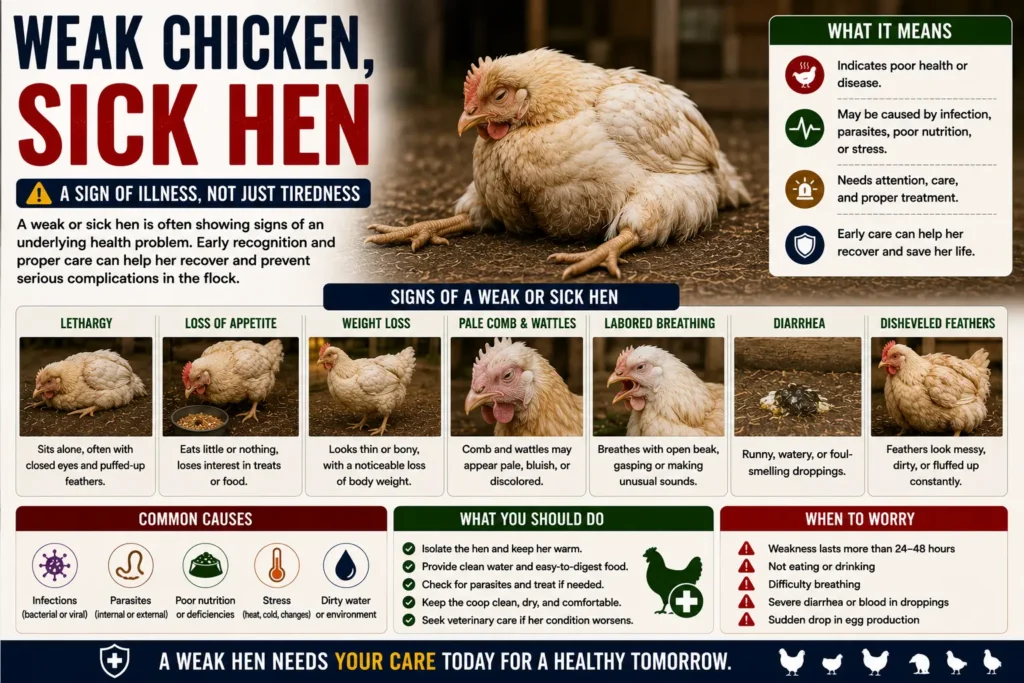
A hen that’s normally scratching, pecking, and bossing around the flock, but is suddenly sitting still with her eyes half-closed, is showing one of the clearest lethargic chicken symptoms there is. Lethargy on its own isn’t a diagnosis, but it’s almost always the first sign that something is wrong. This guide walks through the most common causes, how to tell them apart, and when it’s time to call a vet.
Lethargic chicken symptoms show up as reduced activity, less interest in food or the flock, and a general “shutting down” appearance. Chickens are prey animals, so they instinctively hide illness until they can’t anymore. By the time you notice obvious lethargy, the underlying problem has often been building for a day or two already, which is exactly why quick action matters.
Table of Contents
Recognizing Lethargic Chicken Symptoms
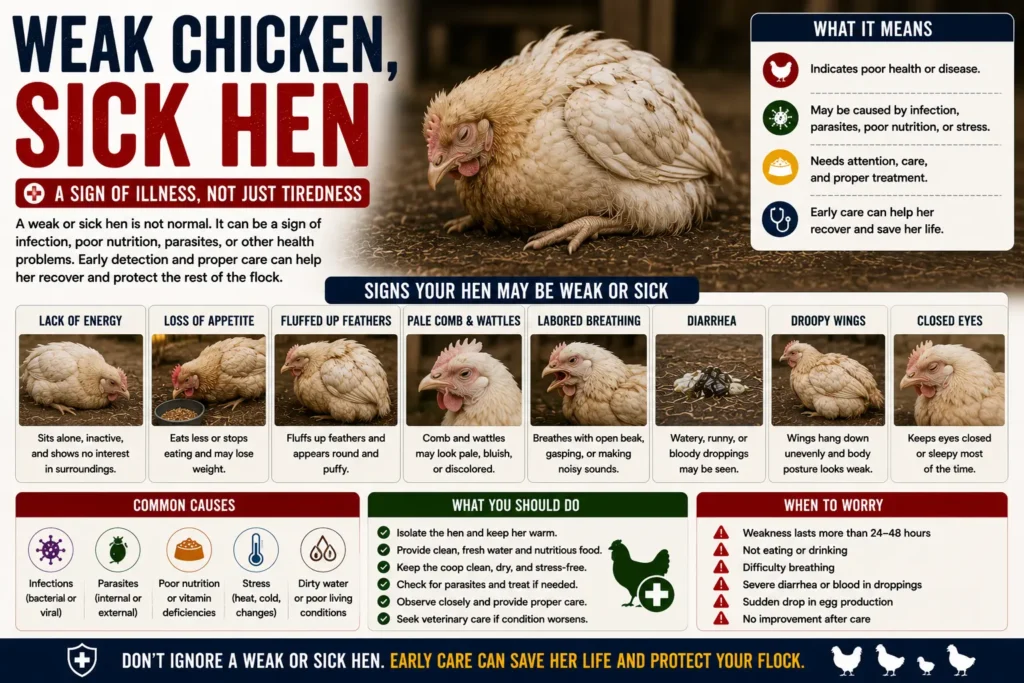
Lethargic chicken symptoms can be subtle at first, especially in a flock where one quiet hen is easy to overlook among many active ones.
Watch for these signs together, since lethargy rarely shows up alone:
- Standing or sitting apart from the rest of the flock
- Fluffed-up feathers, even in warm weather
- Half-closed or dull-looking eyes
- Reduced interest in food, treats, or foraging
- Slower movement, or reluctance to walk and perch
- Pale comb and wattles instead of the usual bright red
- Reduced or stopped egg-laying
- Labored or open-mouth breathing in more serious cases
H3: Lethargic Chicken Symptoms vs. Normal Resting Behavior
Every hen naps and rests during the day, especially after laying or during hot weather. The difference is that healthy resting hens still respond quickly when startled, join the flock again within minutes, and eat normally at feeding time. A weak chicken showing true lethargy stays withdrawn for hours, doesn’t perk up around food, and often looks fluffed up and hunched even while standing.
<div class=”callout quick-answer”> <strong>Quick Answer:</strong> Lethargic chicken symptoms usually point to infection, parasites, egg-related illness, heat or cold stress, or nutritional deficiency. If a hen stays withdrawn for more than a few hours, or shows other symptoms alongside it, treat it as a warning sign that needs closer attention. </div>
Read More: https://lashegg.com/penguin-stance-in-chickens/
What Causes Lethargic Chicken Symptoms?
Lethargy is the body’s way of conserving energy while it fights off a problem, so almost any illness can trigger it. Here are the most common underlying causes.
| Cause | What’s Happening | Other Common Signs |
| Internal or external parasites | Worms or mites draining nutrients and blood | Pale comb, weight loss, visible mites or worms |
| Respiratory infection | Bacterial or viral infection affecting airways | Coughing, sneezing, nasal discharge, labored breathing |
| Egg binding or salpingitis | Reproductive tract blockage or infection | Swollen abdomen, straining, penguin stance |
| Bacterial infection (e.g. E. coli) | Systemic infection affecting multiple organs | Diarrhea, sudden collapse, poor appetite |
| Heat stress | Overheating impairs normal function | Panting, wings held away from body, pale comb |
| Cold stress | Energy diverted to maintaining body temperature | Fluffed feathers, huddling, reduced movement |
| Nutritional deficiency | Missing vitamins or minerals affecting overall health | Weak legs, poor feather quality, slow growth |
| Injury | Pain limiting normal movement | Limping, reluctance to stand, visible wounds |
Merck Veterinary Manual notes that non-specific signs like lethargy, ruffled feathers, and reduced appetite are among the earliest indicators of illness in poultry, often appearing well before more specific symptoms develop.
<div class=”callout did-you-know”> <strong>Did You Know?</strong> Chickens are prey animals by instinct, so they hide weakness to avoid attracting predators. A hen showing obvious lethargic chicken symptoms is often further along in an illness than she appears. </div>
Parasites: A Frequent Cause of a Weak Chicken
Both internal parasites, like roundworms and coccidia, and external parasites, like mites and lice, can drain a hen’s energy and nutrients over time, leading to progressive weakness.
Signs that point toward parasites include:
- Gradual weight loss despite normal or increased appetite
- Pale comb and wattles from anemia
- Diarrhea or abnormal droppings (with internal parasites)
- Visible mites or lice around the vent, under wings, or at the base of feathers
- Feather loss or damage, especially around the vent area
- Reduced egg production over several weeks
Routine fecal checks and physical exams, ideally guided by a vet or experienced poultry keeper, can confirm parasite load and guide the right treatment. Treating for parasites without confirming them first often wastes time on a hen that’s actually dealing with something else.
Respiratory Illness and Lethargic Chicken Symptoms
Respiratory infections are one of the fastest-spreading causes of illness in a flock, and lethargy is often one of the earliest signs, appearing before coughing or nasal discharge become obvious.
| Symptom | Mild Respiratory Illness | Advanced Respiratory Illness |
| Activity level | Slightly reduced | Severely reduced, may stay in one spot |
| Breathing | Occasional sneezing | Open-mouth breathing, wheezing |
| Discharge | Mild, watery | Thick, colored discharge |
| Appetite | Slightly reduced | Little to no interest in food |
| Flock spread | Limited to one or two birds | Can spread through the flock within days |
<div class=”callout warning”> <strong>Warning:</strong> Respiratory illnesses in chickens can spread through a flock quickly. If one hen shows lethargic chicken symptoms alongside breathing changes, isolate her immediately and monitor the rest of the flock closely for the next several days. </div>
Reproductive Issues Behind a Sick Hen’s Lethargy
Egg binding, salpingitis, and egg peritonitis are common reproductive causes of a suddenly sick hen, particularly in laying breeds over two years old or young pullets just starting to lay.
Alongside lethargy, watch for:
- A firm or swollen abdomen
- A wide, upright “penguin stance”
- Straining near the vent
- A drop in egg-laying before other symptoms appear
- Finding a “lash egg” — a solid mass of pus and tissue — in the nest box
These reproductive causes tend to progress over days rather than hours, but they can turn into medical emergencies once fluid or infection builds up in the abdomen.
H4: Can Stress Alone Cause Lethargic Chicken Symptoms?
Yes, in many cases. Heat stress, cold stress, overcrowding, a new predator scare, or the addition of new flock members can all cause a temporary sick hen appearance without an underlying disease. The key difference is that stress-related lethargy usually improves within a day once the stressor is removed, while illness-related lethargy tends to persist or worsen.
Diagnosing the Cause of Lethargic Chicken Symptoms
Because lethargy has so many possible causes, a systematic check helps narrow things down before or during a vet visit:
- Check the comb and wattles for pale, blue, or dark coloring
- Feel the crop to check if it’s emptying normally
- Palpate the abdomen for firmness, swelling, or fluid
- Check droppings for diarrhea, blood, or abnormal color
- Look for external parasites around the vent and under wings
- Listen to breathing for wheezing, clicking, or labored effort
- Review recent changes — new birds, weather shifts, feed changes, or predator activity
University extension poultry health programs recommend keeping a simple symptom log, since tracking when lethargy started alongside other changes often points directly to the likely cause.
Treatment Options for a Weak Chicken
Treatment depends entirely on the underlying cause, which is why guessing and treating blindly usually backfires.
| Suspected Cause | Typical Treatment |
| Parasites | Vet-approved dewormer or mite/lice treatment based on confirmed diagnosis |
| Respiratory infection | Antibiotics (if bacterial), supportive care, isolation |
| Egg binding / salpingitis | Warm baths, calcium support, vet-assisted extraction, antibiotics, possible surgery |
| Bacterial infection | Vet-prescribed antibiotics, fluid support |
| Heat stress | Cooling, electrolytes, shade, increased ventilation |
| Cold stress | Warmth, draft-free housing, extra calories |
| Nutritional deficiency | Balanced layer feed, targeted supplementation |
<div class=”callout expert-tip”> <strong>Expert Tip:</strong> Always rule out the basics first — clean water, proper temperature, and normal crop function — before assuming a hen needs medication. Sometimes lethargic chicken symptoms resolve within hours just from fixing an environmental issue like overheating or dehydration. </div>
H3: Home Care Steps for a Lethargic or Sick Hen
While you arrange or wait for veterinary care, these steps offer supportive care:
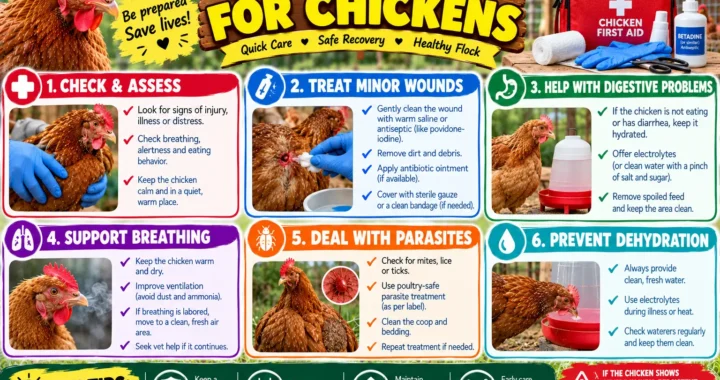
- Isolate the hen in a quiet, low-stress space away from the flock
- Offer fresh water, adding electrolytes if heat or dehydration is suspected
- Offer easily digestible food, like scrambled egg or wet mash
- Keep her at a comfortable, stable temperature
- Check her weight, droppings, and behavior every few hours
- Handle her gently and minimize stress from repeated checks
<div class=”callout common-mistakes”> <strong>Common Mistakes:</strong> Assuming a quiet hen is “just tired,” treating with random medications without confirming the cause, and waiting several days to see if lethargic chicken symptoms improve on their own are the most common mistakes that delay real treatment. </div> <div class=”callout when-to-call-a-vet”> <strong>When to Call a Vet:</strong> Call immediately if you notice labored breathing, a swollen abdomen, pale or blue-tinged comb, sudden collapse, or if the hen hasn’t eaten or had water in over 24 hours. These signs suggest the underlying cause is progressing quickly. </div>
Preventing Lethargic Chicken Symptoms
Good flock management significantly lowers the risk of illness-related lethargy:
- Feed a complete, balanced layer diet appropriate for age and breed
- Provide clean water at all times, especially in hot weather
- Keep housing clean, dry, and well-ventilated
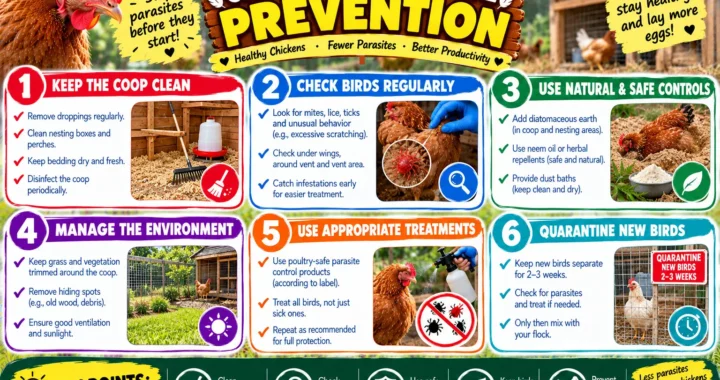
- Practice routine parasite checks and treatment as needed
- Quarantine new birds for at least two weeks before introducing them to the flock
- Reduce overcrowding and manage flock stress with adequate space
- Watch closely during extreme heat, cold, or sudden weather changes
The USDA and university poultry extension services consistently highlight biosecurity, nutrition, and routine health checks as the three most effective tools for catching illness early, before lethargy becomes severe.
Recovery and Long-Term Outlook
Hens with stress-related or mild nutritional lethargy usually bounce back within a day or two once the underlying issue is corrected. Hens with parasites or mild respiratory illness typically recover well with prompt, appropriate treatment. Hens with advanced reproductive disease or systemic bacterial infection have a more variable outlook, and recovery time depends heavily on how early the lethargic chicken symptoms were caught and addressed.
Frequently Asked Questions
What are the earliest lethargic chicken symptoms to watch for? The earliest signs are usually reduced activity, fluffed-up feathers, and less interest in food or the flock. These often appear before more specific symptoms like breathing changes or abdominal swelling show up.
Why is my hen suddenly so weak and quiet? A sudden change usually points to infection, parasites, heat or cold stress, or a reproductive issue like egg binding. The speed of onset can help narrow down the cause — sudden collapse suggests something more acute than a gradual decline.
How can I tell if my sick hen just needs rest or needs a vet? If she perks up within a few hours, eats normally, and rejoins the flock, rest is likely enough. If she stays withdrawn for more than half a day, stops eating, or shows other symptoms like swelling or breathing changes, she needs veterinary evaluation.
Can lethargic chicken symptoms be contagious to the rest of the flock? It depends on the cause. Respiratory infections and some parasites can spread quickly through a flock, while reproductive issues like egg binding are not contagious. Isolating any lethargic hen is a safe precaution either way.
Is it normal for a hen to be lethargic after laying an egg? A brief rest period after laying is normal and usually lasts only a few minutes. Prolonged lethargy, fluffed feathers, or reduced appetite afterward is not typical and should be monitored closely.
Can weather cause a weak chicken without any underlying illness? Yes. Extreme heat or cold can cause temporary lethargy on its own. This type of lethargy usually improves quickly once the hen is moved to a more comfortable, temperature-appropriate environment.
What should I feed a sick hen that isn’t eating well? Offer easy-to-digest options like scrambled egg, wet mash, or small amounts of her regular feed softened with water. Fresh water with electrolytes can also help, especially if dehydration or heat stress is a factor.