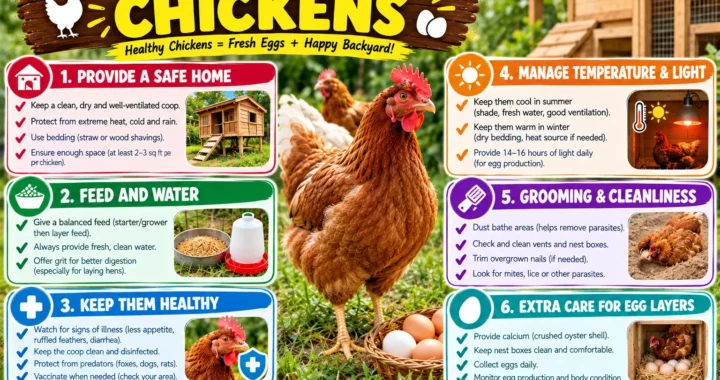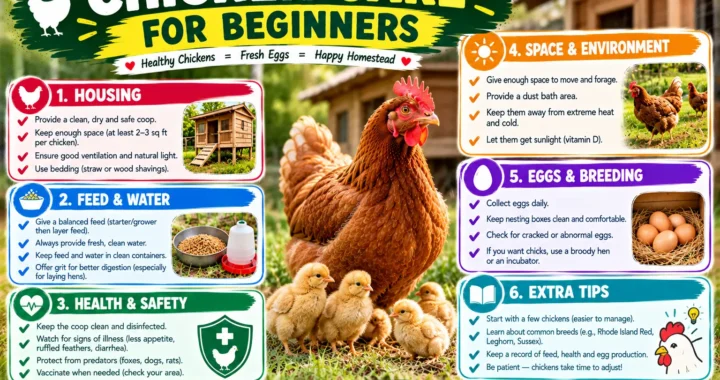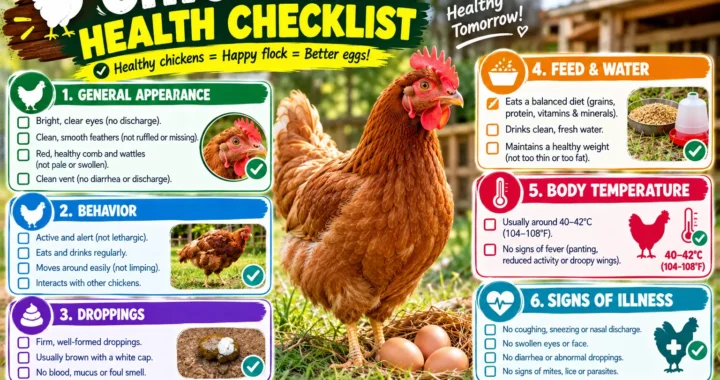
Chicken Health: Why Knowing “Normal” Comes First

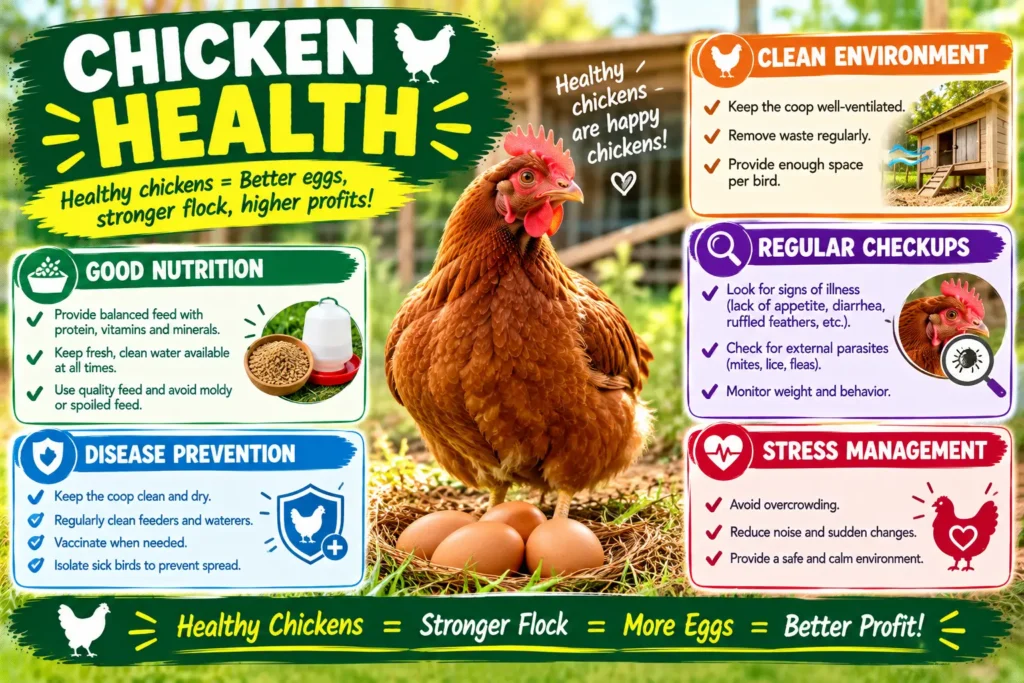
Chicken health is easiest to protect when you know exactly what normal looks like before something goes wrong. Most keepers only start paying close attention to comb color, droppings, or behavior once a bird already seems off, which makes it much harder to judge what’s actually changed.
This guide works as a baseline reference: the real healthy chicken signs across appearance, behavior, and basic vital signs, plus a simple routine check you can build into regular flock care. For specific symptoms and conditions, this page links out to detailed guides covering each one individually; this page is where you start to understand the full picture of backyard chicken health.
Quick Answer: Good chicken health shows up as a bright red comb and wattles, clear eyes, smooth and glossy feathers, firm droppings with a white urate cap, steady appetite, and alert, active behavior. Basic vital signs fall within known ranges: body temperature around 105–107°F, heart rate 250–300 beats per minute, and consistent body weight for the bird’s breed and age.
Table of Contents
What Healthy Chickens Actually Look Like
Comb, Wattles, and Face
A healthy comb and wattles are bright red (or the breed-appropriate color for darker-combed breeds), full, and free of scabs, swelling, or discoloration. Eyes should be clear, bright, and fully open without discharge.
Feathers and Skin
Smooth, glossy feathers lying naturally against the body indicate good health, aside from expected rough patches during a normal molt. Skin underneath should be clean, without redness, scabbing, or visible parasites.
Body Condition
A healthy hen should have a well-rounded but not overly fat body, with the keel bone palpable but not sharply prominent. Consistent weight for breed and age over time is one of the more reliable ongoing health indicators.
| Feature | Healthy Sign | Possible Concern |
| Comb/wattles | Bright red, full | Pale, blue-tinged, swollen, or scabbed |
| Eyes | Clear, bright, open | Cloudy, discharge, swollen |
| Feathers | Smooth, glossy (except during molt) | Dull, ruffled outside of molt, bald patches |
| Body condition | Well-rounded, palpable keel | Overly thin or excessively fat |
Behavioral Signs of Backyard Chicken Health
Normal Activity Patterns
Healthy chickens are alert, curious, and actively engage with their environment, foraging, dust bathing, and interacting with flock mates throughout the day. Reduced activity, excessive hiding, or standing apart from the flock are worth noting.
Read More: https://lashegg.com/how-to-get-chickens-laying-eggs-again/
Eating and Drinking
Consistent, enthusiastic interest in food and water is a strong daily indicator. A sudden drop in either warrants closer attention, even before other symptoms appear.
Vocalization
Normal chicken vocalizations vary widely but generally follow familiar daily patterns. Unusual, persistent distress calls or a notably quiet, withdrawn bird both deserve a closer look.
Understanding Droppings as a Health Indicator
What Normal Droppings Look Like
Healthy droppings are typically firm, brown or greenish, topped with a small white urate cap. A thinner, darker cecal dropping once or twice daily is also completely normal.
Reading Changes Over Time
| Dropping Appearance | Likely Meaning |
| Firm, brown/green, white cap | Normal |
| Dark, pasty cecal dropping | Normal (1–2 times daily) |
| Persistent watery diarrhea | Investigate diet, parasites, or infection |
| Blood-tinged | Investigate promptly, possible parasites or injury |
Did You Know? A chicken’s droppings can reflect changes in diet within hours, since food moves through their digestive system remarkably quickly compared to many other animals, making droppings one of the fastest-responding health indicators available.
Basic Vital Signs and What They Mean
Reference Ranges
| Vital Sign | Normal Range |
| Body temperature | 105–107°F (40.6–41.7°C) |
| Heart rate | 250–300 beats per minute |
| Respiratory rate | 12–37 breaths per minute (varies with activity/heat) |
Why These Numbers Run Higher Than Mammals
Chickens naturally run hotter and faster than most mammals, which is part of why they’re more vulnerable to heat stress and why fevers or abnormal readings can be harder to judge without knowing these baseline expectations first.
Building a Routine Chicken Health Check
Step-by-Step: A Simple Monthly Check
- Handle each bird individually. Regular handling makes birds more comfortable with the process and makes changes easier to notice over time.
- Check comb, eyes, and face. Compare against the healthy signs described above.
- Feel body condition. Check the keel bone and overall weight by feel, not just visual impression.
- Inspect feathers and skin. Look under wings and around the vent for parasites or irritation.
- Check the vent area. Look for discharge, swelling, or matted feathers.
- Weigh if possible. A simple kitchen or luggage scale works well; track weight over time for each bird.
- Note anything unusual. Keep a simple log so subtle changes become easier to spot across checks.
Expert Tip
Do your routine checks at roughly the same time of day and under similar conditions each time. Comparing a bird checked first thing in the morning to one checked after a hot afternoon can make normal variation look like a concerning change when it isn’t.
Common Mistakes to Avoid
- Waiting until a bird looks obviously sick before learning what “normal” looks like for your specific flock
- Judging health from visual impression alone without regular hands-on checks
- Comparing one breed’s normal appearance or behavior directly against a very different breed
- Overlooking droppings as a valuable, fast-responding health indicator
- Skipping routine checks because the flock “seems fine,” missing early, subtle changes
Warning
Chickens instinctively hide signs of illness as a survival mechanism, which means visible symptoms often appear only once a problem has been developing for some time. Regular, proactive health checks are more valuable for backyard chicken health than waiting for obvious symptoms to appear.
When Something Looks Off: Where to Go Next
This page covers what healthy looks like as your baseline. For specific symptoms and situations, these dedicated guides go into full depth:
| If You’re Seeing… | See This Guide |
| Lethargy, weakness | Chicken Lethargic and Weak |
| Diarrhea | Chicken Diarrhea |
| Vent discharge | Chicken Discharge From Vent |
| Unusual posture/straining | Chicken Walking Like a Penguin |
| Feather loss | Chicken Molting Symptoms |
| Thin, soft, or shell-less eggs | Chicken Laying Soft Shell Eggs |
| Reduced or stopped egg production | Why Are My Chickens Not Laying Eggs |
| Uncertainty about vet care | When to Take a Sick Chicken to the Vet |
When to Call a Vet
Contact a poultry veterinarian if a bird deviates from the healthy chicken signs described here in ways that don’t resolve within a day or two, or if multiple signs appear together, such as reduced appetite alongside abnormal droppings or comb color changes. Establishing what’s normal for your specific flock makes it much easier to recognize genuinely when something needs professional attention.
People Also Ask
What are the clearest healthy chicken signs to check daily? Comb color, eye clarity, appetite, and general activity level are the fastest, easiest daily indicators of good chicken health without needing to handle each bird individually.
How often should I do a hands-on health check on my flock? A monthly hands-on check works well for most backyard flocks, supplemented by daily visual observation of behavior, appetite, and droppings.
Can backyard chicken health vary a lot between breeds? Yes, comb size, feather density, and typical activity level all vary by breed, so it’s important to know what’s normal for your specific breed rather than a generic standard.
Is weight loss always a sign of poor chicken health? Not always, since seasonal appetite changes and molting can cause minor fluctuations, but a clear, sustained downward trend is worth investigating further.
What’s the fastest way to notice a chicken health problem early? Regular routine checks combined with familiarity with each bird’s individual normal appearance and behavior are the most reliable way to catch subtle changes before they become serious.
Final Thoughts
Chicken health becomes much easier to protect once you have a clear sense of what normal actually looks like for your flock: comb color, feather condition, droppings, behavior, and basic vital signs all working together as your baseline reference. Backyard chicken health then becomes a matter of noticing changes against that baseline rather than guessing without context.
Build a simple routine check into your regular flock care, and use the specific guides linked here whenever something looks different from the healthy signs described, reaching out to a poultry veterinarian whenever changes persist or multiple signs appear together.
5. FAQ
Q: What does good chicken health look like on a daily basis? A: A bright comb, clear eyes, steady appetite, normal droppings, and alert, active behavior together represent the clearest daily picture of good health.
Q: How can I learn healthy chicken signs specific to my own flock? A: Regular handling and observation over time build familiarity with each bird’s individual normal appearance and behavior, which is more useful than relying on generic descriptions alone.
Q: Does backyard chicken health require special equipment to monitor? A: No, a simple kitchen scale for weight tracking and your own hands and eyes for routine checks are sufficient for most backyard flocks.
Q: Can one abnormal sign alone indicate a health problem? A: Sometimes, though a single unusual sign is often less concerning than multiple signs appearing together, which is why routine, comprehensive checks matter more than fixating on any one indicator.
Q: How do I know if a change in chicken health is serious enough for a vet? A: Changes that persist beyond a day or two, worsen over time, or combine several concerning signs at once generally warrant veterinary evaluation rather than continued home monitoring.