What Are the Risk Factors for Lash Eggs? A Quick Answer for Chicken Keepers

Quick Answer: What Are the Risk Factors for Lash Eggs? A Quick Answer for Chicken Keepers starts with understanding that the biggest risk factors include age (hens over two years old), obesity, high egg production, poor nest box hygiene, respiratory infections, and vent pecking. A lash egg is not a real egg—it’s a lump of hardened pus that forms when a hen’s body attempts to contain an infection in the oviduct. While any hen can develop a lash egg, some birds are significantly more susceptible than others.
If you’ve discovered a strange, rubbery, foul-smelling mass in the nest box, you may be wondering, What Are the Risk Factors for Lash Eggs? A Quick Answer for Chicken Keepers. Finding a lash egg can be alarming, but understanding the underlying causes can help you respond appropriately and protect the rest of your flock.
In this guide, What Are the Risk Factors for Lash Eggs? A Quick Answer for Chicken Keepers, we’ll examine the most common factors linked to lash egg formation, explain why older hens face a higher risk, and explore the reproductive health problems that often contribute to this condition. You’ll also learn how to recognize early warning signs, what steps you can take at home, and when the presence of a lash egg should prompt a visit to an avian veterinarian.
Table of Contents
In This Article
- What a lash egg actually is
- The full list of risk factors for lash eggs
- Why age is the single biggest predictor
- Reproductive issues that trigger lash egg formation
- Breed and management-related risks
- Symptoms to watch for
- Prevention steps you can start today
- When home care isn’t enough
What Is a Lash Egg, Exactly?
A lash egg is not a fertilized egg, a deformed egg, or anything that ever traveled through a normal laying cycle. It’s a solid or semi-solid mass made of pus, dead tissue, and sometimes bits of yolk, egg white, or shell membrane.
It forms inside the oviduct — the tube that carries a developing egg from the ovary to the vent. When bacteria or a virus infects this tube, the condition is called salpingitis. Your hen’s immune system responds by trapping the infection in layers of thick, waxy discharge. Over days or weeks, that discharge builds into a solid clump. Eventually, she passes it the same way she’d pass an egg.
Did You Know? A lash egg can be tan, yellow, or greenish, and it often has a ring-like or layered structure when cut open — similar to the layers of an onion. That layered look comes from the infection building up over time rather than all at once.
The Full List of Risk Factors for Lash Eggs
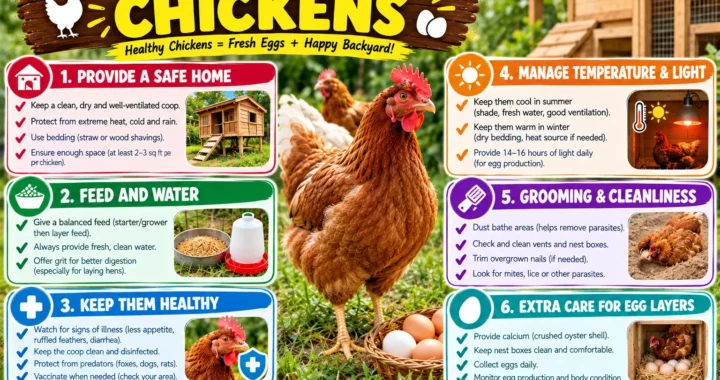
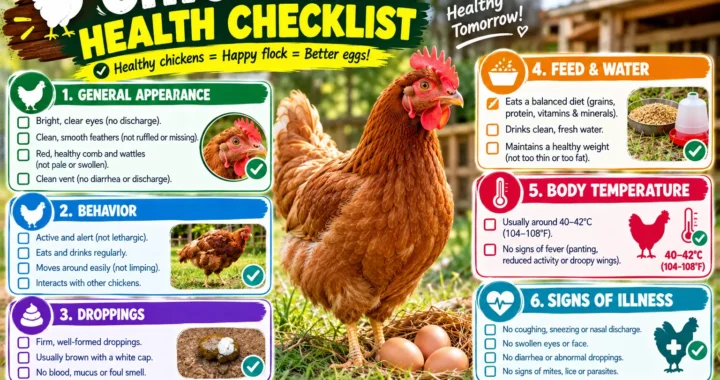
There isn’t one single cause of lash eggs. Instead, several overlapping conditions raise the odds that a hen’s oviduct becomes infected. Understanding these risk factors for lash eggs helps you catch problems early and manage your flock more effectively.
| Risk Factor | Why It Matters |
| Age (2+ years) | Reproductive tissue weakens and egg-laying strain accumulates over time |
| High egg production | Frequent ovulation stresses the oviduct lining |
| Obesity | Excess fat reduces immune function and puts pressure on internal organs |
| Poor nest box hygiene | Bacteria from droppings or damp bedding can travel up the vent |
| Respiratory infections | Infections like infectious bronchitis can spread to the reproductive tract |
| Vent pecking | Open wounds near the vent give bacteria a direct entry point |
| Egg binding history | Trauma from a stuck egg can trigger inflammation |
| Poor nutrition | Weakens the immune response needed to fight off infection |
| Prolonged laying cycles | Hens on production schedules without rest periods face more wear on the reproductive tract |
Age: The Number One Risk Factor for Lash Eggs
Of every risk factor for lash eggs, age stands out the most. Hens older than two to three years are far more likely to develop salpingitis than young pullets. Years of ovulation gradually wear down the tissue lining the oviduct, making it easier for bacteria to take hold.
Older hens also tend to have slower immune responses overall, which means an infection that a young hen’s body might clear on its own can progress unchecked in an older bird. This is one reason lash eggs are so strongly associated with aging flocks kept for years rather than culled after their first laying season.
Expert Tip: If you keep hens as long-term pets rather than production birds, expect reproductive issues like lash eggs to become more common as they pass the three-to-four-year mark. It’s a normal part of an aging hen’s reproductive decline, not necessarily a sign of poor care.
Read more: https://lashegg.com/lashegg-com-can-nutrition-cause-lash-eggs/
High Egg Production and Hybrid Breeds
Commercial laying breeds bred for near-daily egg production put constant demand on the reproductive system. That relentless cycle of ovulation and shell formation leaves less time for the oviduct lining to recover between eggs.
Hybrid layers like production reds, and heavy commercial strains, are documented to have higher rates of reproductive disorders, including salpingitis, compared to heritage breeds that lay less frequently.
Obesity and Poor Body Condition
Overweight hens face two separate problems. First, excess internal fat can physically compress the oviduct and surrounding organs. Second, obesity is linked to weaker immune function across most animal species, chickens included. A hen carrying extra weight has a harder time fighting off the bacteria that cause salpingitis in the first place.
Nest Box and Coop Hygiene
Bacteria such as E. coli live naturally in droppings, dirty bedding, and standing water. When nest boxes stay damp or soiled, bacteria have an easy route into the vent and, from there, up into the oviduct. This is one of the more preventable risk factors for lash eggs, since it comes down to routine coop management rather than anything biological about the hen herself.
Respiratory Illness as a Hidden Trigger
Infectious bronchitis virus and other respiratory pathogens don’t stay confined to the lungs. In hens, these infections can spread to the reproductive tract and set the stage for salpingitis. A hen recovering from a respiratory illness is at elevated risk for weeks afterward, even after the cough or nasal discharge clears up.
Vent Pecking and Flock Aggression
In flocks with pecking order problems, hens sometimes peck at each other’s vents, especially if a bird has recently laid or has slight irritation there. Any break in the skin near the vent gives bacteria a direct path inward. Reducing overcrowding and giving hens enough space lowers this particular risk.
Reproductive Issues Linked to Lash Egg Formation
Lash eggs rarely appear out of nowhere. They’re almost always downstream of an existing reproductive issue. The most common ones include:
- Salpingitis — infection and inflammation of the oviduct itself, the direct cause of lash eggs.
- Egg yolk peritonitis — when yolk material ends up in the abdominal cavity instead of the oviduct, often triggering a secondary infection.
- Egg binding — a retained egg that damages oviduct tissue and opens the door to bacteria.
- Ovarian cysts or tumors — less common, but they can disrupt normal oviduct function in older hens.
- Prolapse — exposed reproductive tissue is vulnerable to injury and infection.
Any hen with a history of these reproductive issues carries a higher long-term risk of developing a lash egg later on, even after the original problem resolves.
Symptoms That Often Accompany Lash Eggs
Watch for these signs in a hen you suspect has salpingitis:
- Lethargy or reduced activity
- A swollen, firm abdomen (sometimes called a “penguin stance”)
- Decreased or stopped egg production
- Misshapen eggs, thin shells, or watery egg white
- Foul-smelling discharge near the vent
- Labored breathing as the abdomen fills
Warning: A hen showing several of these symptoms at once, especially abdominal swelling combined with lethargy, needs veterinary attention. Don’t wait for a lash egg to appear before taking action.
Risk Factors for Lash Eggs by Life Stage
| Life Stage | Relative Risk | Main Contributing Factors |
| Pullet (under 1 year) | Low | Rare; usually linked to injury or congenital issues |
| Young hen (1–2 years) | Low to moderate | High production strain, occasional vent pecking |
| Mature hen (2–4 years) | Moderate to high | Cumulative reproductive wear, obesity |
| Senior hen (4+ years) | Highest | Age-related tissue weakening, chronic low-grade infections |
Common Mistakes Chicken Keepers Make
- Assuming a lash egg means the hen is dying. Many hens pass a lash egg and go on to live comfortably for months or years afterward.
- Handling a lash egg with bare hands. It contains bacteria and should be removed with gloves.
- Ignoring repeat episodes. One lash egg can be a one-off. Repeated lash eggs point to a chronic reproductive issue that needs veterinary input.
- Skipping nest box cleaning. Dirty, damp bedding is one of the easiest risk factors for lash eggs to fix, yet it’s often overlooked.
How to Lower the Risk Factors for Lash Eggs in Your Flock
You can’t change a hen’s age, but you can reduce several other risk factors for lash eggs through everyday management:
- Keep nest boxes clean, dry, and lined with fresh bedding
- Maintain a healthy body weight through balanced layer feed, not just scratch and treats
- Reduce overcrowding to limit vent pecking
- Vaccinate against common respiratory pathogens where appropriate for your region
- Give older hens a lower-stress environment with easy access to food, water, and shade
- Monitor egg quality and production trends so you notice changes early
When to Call a Vet: If a hen passes more than one lash egg, shows abdominal swelling, stops eating, or seems distressed, contact an avian or poultry veterinarian. Home care can support a hen through a mild episode, but ongoing salpingitis often needs antibiotics, anti-inflammatory medication, or in some cases, a hormone implant to stop egg production and reduce strain on the oviduct.
Home Care vs. Veterinary Treatment
| Home Care | Veterinary Treatment | |
| Best for | Mild, one-time lash egg with no other symptoms | Recurrent lash eggs, abdominal swelling, lethargy |
| What it involves | Clean coop, monitor closely, isolate if needed | Antibiotics, anti-inflammatories, imaging, possible hormone implant |
| Limitations | Cannot treat internal infection | Requires an avian-experienced vet, which isn’t always local |
| Outcome | May resolve if minor | Better long-term management of chronic salpingitis |
Diagnosing salpingitis definitively often requires an exam, imaging such as an X-ray or ultrasound, or in some cases, evaluation after the hen has passed. Home observation is useful for tracking symptoms, but it cannot replace a professional diagnosis when the underlying reproductive issue is ongoing.
Prevention Checklist
- [ ] Clean and dry nest boxes weekly
- [ ] Weigh or body-condition-score hens periodically
- [ ] Provide adequate space per bird to reduce pecking
- [ ] Watch for respiratory symptoms and isolate sick birds quickly
- [ ] Keep feed balanced for the hen’s age and production level
- [ ] Log egg quality changes so patterns are easy to spot
Conclusion
Understanding the risk factors for lash eggs gives you a real advantage as a chicken keeper. Age, obesity, high egg production, poor hygiene, respiratory illness, and vent pecking all raise the odds that a hen develops salpingitis, and older hens carry the highest risk of all. A single lash egg isn’t necessarily an emergency, but repeated episodes or additional symptoms like swelling and lethargy call for veterinary care. Keep watching your flock closely, manage the risk factors you can control, and don’t hesitate to bring in a vet when something seems off.
5. FAQ
What are the main risk factors for lash eggs? The main risk factors for lash eggs are age over two years, obesity, high egg production, poor nest box hygiene, respiratory infections, and vent pecking. Older hens face the highest overall risk.
Are older hens more likely to get lash eggs? Yes. Older hens accumulate years of reproductive strain, which weakens the oviduct lining and makes infection more likely. Age is considered the single strongest risk factor for lash eggs.
Can young hens get lash eggs too? It’s less common, but young hens can develop lash eggs, usually linked to injury, a respiratory infection, or vent pecking rather than age-related wear.
Is a lash egg contagious to other hens? The lash egg itself isn’t contagious. However, if the underlying cause was a contagious respiratory illness, other hens in the flock could be at risk from that original infection.
Do lash eggs mean my hen will die? Not necessarily. Many hens recover and continue laying, or stop laying but remain healthy pets for years. Repeated lash eggs or additional symptoms increase the seriousness of the situation.
How can I reduce the risk factors for lash eggs in my flock? Keep nest boxes clean and dry, manage hen weight, reduce overcrowding, address respiratory illness quickly, and watch older hens closely for symptoms.
Should I touch a lash egg? Always wear gloves. A lash egg contains bacteria and infectious material, so handle it carefully and disinfect the area afterward.