Stress and Egg Production in Chickens: Why It Matters So Much

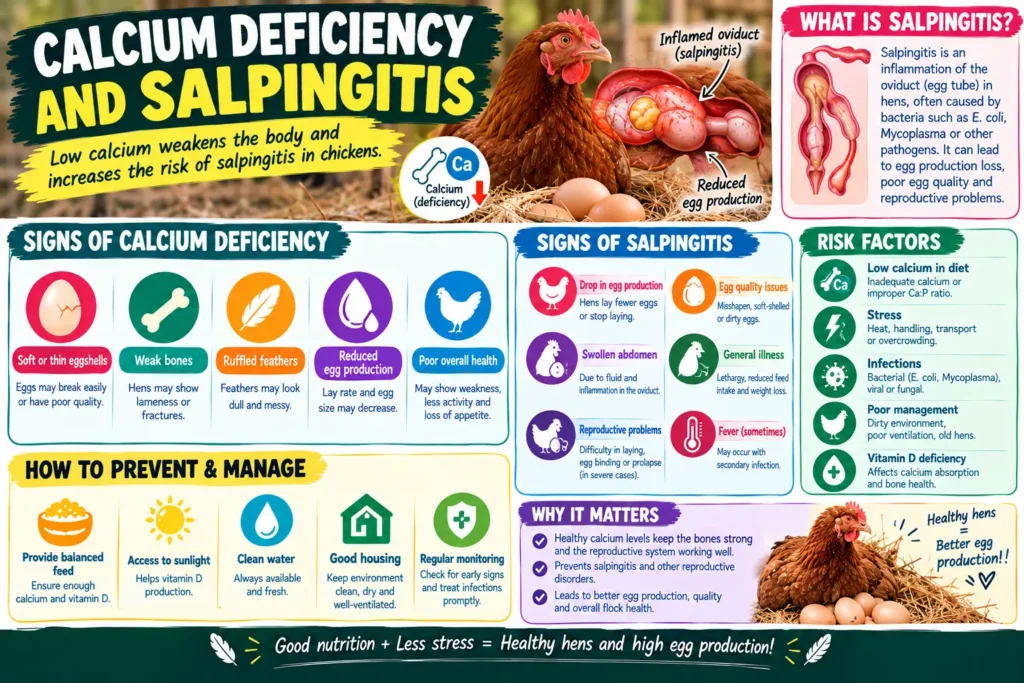
Stress and egg production in chickens are connected through a direct physiological pathway, not just a general sense that “unhappy hens lay less.” When a hen experiences stress, her body releases hormones that actively divert resources away from reproduction and toward immediate survival needs, which is exactly why stress causing chickens to stop laying happens so quickly and so consistently.
This guide goes beyond briefly mentioning stress as one item on a longer causes list. It covers the specific physiological mechanism, the most common real-world stressors backyard flocks face, and practical, realistic ways to reduce laying hen stress.
Quick Answer: Stress and egg production in chickens have an inverse relationship: as stress hormones rise, reproductive hormone signaling drops, often pausing laying within a day or two of a significant stressful event. Common stressors include predator scares, overcrowding, aggressive flock dynamics, extreme weather, and sudden environmental changes. Removing or reducing the specific stressor typically allows laying to resume within one to two weeks.
Table of Contents
The Physiology Behind Stress Causing Chickens to Stop Laying
The Stress Hormone Response
When a hen perceives a threat or significant disruption, her body releases corticosterone, the primary stress hormone in birds, comparable to cortisol in mammals. Elevated corticosterone directly suppresses the hormonal signals responsible for triggering ovulation and egg formation.
Why This Response Makes Evolutionary Sense
From a survival standpoint, redirecting resources away from reproduction during a perceived threat, like a predator nearby, makes biological sense. A hen’s body prioritizes immediate survival over investing energy in an egg that might not even be safely incubated given the circumstances.
| Stress Response Stage | What Happens | Effect on Laying |
| Acute stress event | Corticosterone spikes | Rapid, sometimes immediate laying pause |
| Ongoing chronic stress | Sustained elevated corticosterone | Prolonged suppression of egg production |
| Stressor removed | Hormone levels normalize | Gradual return to normal laying |
Did You Know? According to peer-reviewed poultry research, corticosterone levels can rise measurably within minutes of an acute stressor, which explains why laying hen stress from a single dramatic event, like a hawk attack attempt, can visibly affect production almost immediately.
Read More: https://lashegg.com/chicken-molting-symptoms/
Common Sources of Laying Hen Stress
Predator Pressure
Even an unsuccessful predator attempt, one that doesn’t result in an actual loss, can trigger a stress response strong enough to pause laying across an entire flock for days.
Overcrowding
Insufficient coop or run space increases competition for food, water, and nesting boxes, creating chronic background stress that suppresses egg production even without any single dramatic event.
Aggressive Flock Dynamics
A persistent bully within the flock, or a poorly managed introduction of new birds, can create ongoing social stress for targeted individuals, sometimes affecting their laying specifically rather than the whole flock.
Environmental Changes
Moving the coop, changing the run layout, or introducing loud construction or traffic noise nearby can all register as stressful disruptions, particularly if changes happen suddenly rather than gradually.
Extreme Weather
Heat waves and severe cold snaps create physical stress that overlaps with, and compounds, the hormonal stress response, making weather-related laying pauses a combination of both direct physical strain and stress hormone effects.
Transport and Handling
Moving hens to a new location, frequent handling by unfamiliar people, or a stressful veterinary visit can all cause temporary laying disruption, generally resolving once the hen settles into her routine again.
| Stressor | Typical Duration of Effect | Flock-Wide or Individual |
| Predator scare | Days to about a week | Often flock-wide |
| Overcrowding | Ongoing until resolved | Flock-wide |
| Flock bullying | Ongoing until resolved | Often individual |
| Environmental change | Days to two weeks | Flock-wide |
| Extreme weather | Duration of the weather event | Flock-wide |
| Transport/handling | Days | Individual or small group |
Recognizing Stress-Related Laying Disruption
Behavioral Signs of Stress
- Increased hiding or reluctance to move around normally
- Excessive vocalization or alarm calling
- Feather picking or increased aggression within the flock
- Reduced feed and water intake
Distinguishing Stress From Other Causes
| Pattern | Likely Stress-Related | Other Likely Cause |
| Sudden stop after a specific event | Yes | N/A |
| Gradual decline over weeks, no clear trigger | Less likely | Age, season, or health |
| Whole flock affected simultaneously | Often stress or environment | Could also be illness if contagious |
| One hen affected, others unaffected | Possible individual stress (bullying) | Could also be individual illness |
Reducing Stress and Supporting Recovery
Step-by-Step: Addressing an Identified Stressor
- Identify the specific source if possible. A recent predator scare, new bird introduction, or environmental change usually lines up closely with when laying stopped.
- Remove or mitigate the stressor directly. Predator-proofing, adding space, or separating a bullying hen addresses the root cause rather than just the symptom.
- Maintain a calm, consistent routine afterward. Avoid additional changes while the flock recovers from the initial stress event.
- Support recovery nutritionally. Adequate protein and consistent access to water help the body recover from the physical toll of a stress response.
- Allow one to two weeks before expecting full recovery. Laying hen stress recovery isn’t usually instant, even once the stressor itself is resolved.
Reducing Chronic, Ongoing Stress
- Provide at least 3 to 4 square feet of coop space per standard hen, plus adequate outdoor run space
- Introduce new birds gradually with a visual-contact period before full integration
- Predator-proof housing to reduce both actual attacks and near-miss stress events
- Maintain consistent daily routines for feeding, light, and coop management
Expert Tip
Watch for stress signs during routine care, not just after obvious dramatic events. Subtle, chronic stressors like mild overcrowding or an underlying pecking order conflict often cause more sustained laying suppression than a single dramatic incident, precisely because they’re easy to overlook as “just how the flock is.”
Common Mistakes to Avoid
- Assuming a laying pause is automatically health-related without considering recent stressful events
- Overlooking chronic, low-level stress like mild overcrowding as a contributing factor
- Adding more stress during recovery, such as introducing new birds right after a predator scare
- Expecting immediate laying resumption the moment a stressor is removed
- Ignoring individual bullying dynamics that affect one hen while the rest of the flock seems fine
Warning
Chronic, unaddressed stress doesn’t just suppress egg production temporarily; prolonged elevated stress hormones can also weaken immune function, making a chronically stressed flock more vulnerable to illness and parasites on top of reduced laying.
When to Call a Vet
Contact a poultry veterinarian if laying doesn’t resume within two to three weeks after a stressor has been clearly identified and addressed, or if stress-related symptoms overlap with signs of illness, such as lethargy, poor appetite, or physical symptoms beyond behavioral changes. A vet can help rule out a health cause hiding behind what looks like a stress response.
People Also Ask
How quickly does stress cause chickens to stop laying? Laying can pause within a day or two of a significant acute stressor, since stress hormones affect reproductive signaling relatively quickly.
Can chronic, low-level stress affect egg production even without a dramatic event? Yes, ongoing stressors like overcrowding or unresolved flock bullying can suppress laying just as effectively as a single dramatic incident, often for a longer overall duration.
How long does it take for hens to start laying again after a stressful event? Most flocks resume laying within one to two weeks once the stressor is identified and resolved, though chronic or unresolved stress can extend this significantly.
Does laying hen stress affect the whole flock or just certain birds? It depends on the source; predator scares and environmental changes often affect the whole flock, while bullying-related stress typically targets specific individuals.
Can moving a chicken coop cause stress and egg production issues? Yes, a coop move is a significant environmental disruption that commonly causes a temporary laying pause, typically resolving within one to two weeks as hens adjust.
Final Thoughts
Stress and egg production in chickens are linked through a real, measurable physiological pathway, not just a vague sense that happy hens lay better. Identifying the specific stressor, whether acute or chronic, and addressing it directly is usually more effective than simply waiting for laying to resume on its own.
Watch for both dramatic events and subtle, ongoing stressors as potential causes, and reach out to a poultry veterinarian if laying hen stress symptoms overlap with signs of illness or if production doesn’t recover within a reasonable time after the stressor is resolved.
5. FAQ
Q: What is the most common cause of stress and egg production problems in backyard flocks? A: Predator scares and overcrowding are among the most common stressors backyard keepers encounter, both capable of causing noticeable laying pauses.
Q: Can stress causing chickens to stop laying happen even with excellent nutrition? A: Yes, since stress hormones directly suppress reproductive signaling regardless of diet quality, meaning even a well-fed flock can experience a stress-related laying pause.
Q: How can I tell if my hen’s laying pause is from stress or illness? A: A clear link to a recent event, like a predator scare or new bird introduction, points toward stress, while symptoms like lethargy or poor appetite without an obvious trigger suggest investigating illness instead.
Q: Does handling chickens frequently cause laying hen stress? A: Gentle, regular handling that hens are accustomed to typically doesn’t cause meaningful stress, while sudden, unfamiliar, or rough handling is more likely to trigger a temporary stress response.
Q: Can predator-proofing actually improve egg production over time? A: Yes, reducing both actual predator attacks and near-miss stress events removes a major recurring source of laying hen stress, often supporting more consistent production overall.